Simplisell

Online Store

Simplisell
Online Store

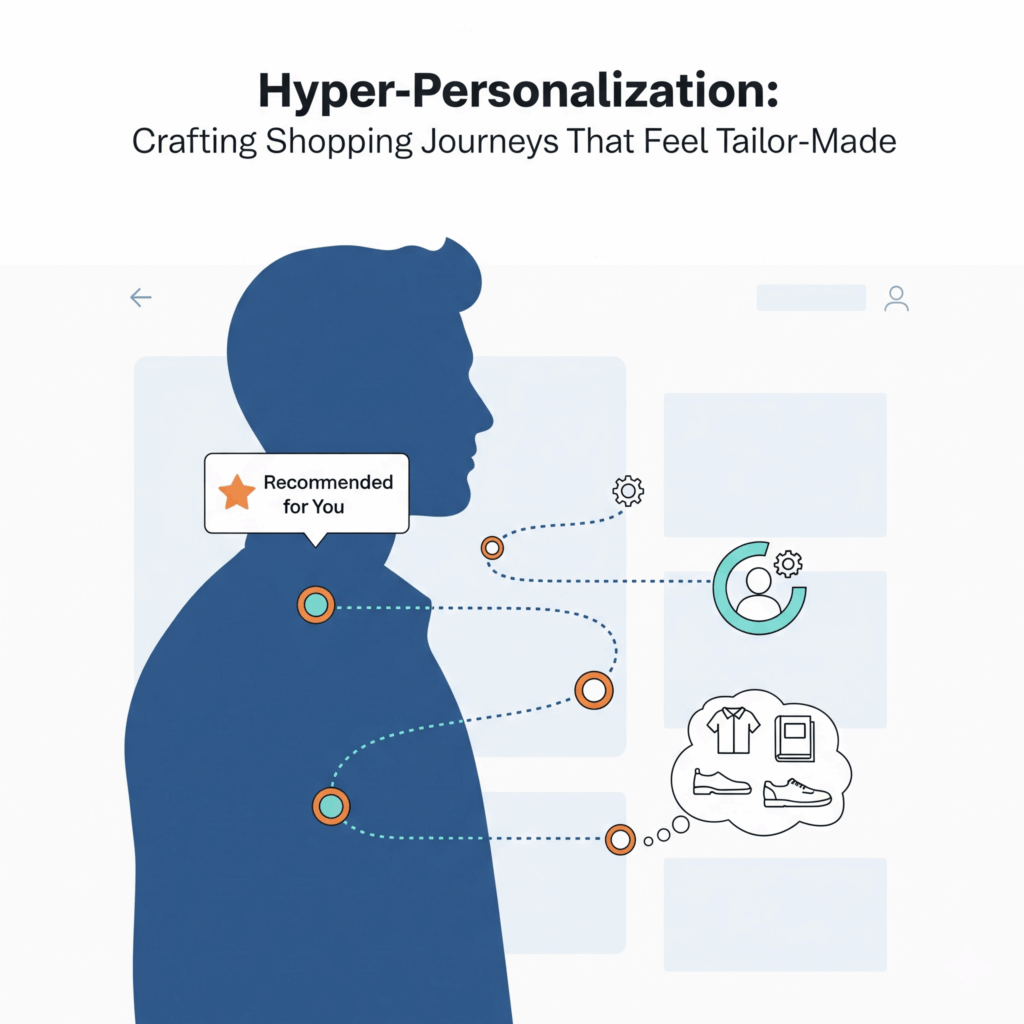
Hyper-Personalization: Crafting Shopping Journeys That Feel Tailor-Made

In today’s crowded e-commerce landscape, standing out is no longer about just offering discounts or free shipping. Shoppers now expect experiences that feel uniquely relevant to their preferences, behaviors, and needs. This is where hyper-personalization comes in—a step beyond traditional personalization that uses advanced data analytics, artificial intelligence (AI), and real-time insights to craft shopping journeys that feel tailor-made. For e-commerce businesses, hyper-personalization is not just a trend; it’s fast becoming the future of customer engagement and loyalty.  What Is Hyper-Personalization?  Hyper-personalization goes beyond simply addressing a customer by their name in an email or recommending products based on broad categories. Instead, it leverages real-time behavioral data, purchase history, browsing activity, location, and even predictive analytics to provide highly specific and contextually relevant interactions.  For example, if a customer browses a particular pair of sneakers but doesn’t purchase, hyper-personalization can send them a push notification with a discount code, highlight size availability, or suggest complementary items like sports socks—all at the right moment. It creates a feeling that the brand “knows” the shopper on an individual level.  Why Hyper-Personalization Matters in E-Commerce  Shoppers are more informed and selective than ever. According to industry reports, nearly 80% of consumers are more likely to buy from a brand that provides personalized experiences. But what makes hyper-personalization even more powerful is its ability to build emotional connections.  When customers feel understood, they are more likely to trust the brand and return for repeat purchases. In fact, personalization reduces decision fatigue by narrowing options and guiding buyers toward what suits them best. In an age of information overload, this convenience becomes a major differentiator.  The Technologies Powering Hyper-Personalization  Hyper-personalization relies heavily on cutting-edge tools and technologies:  Examples of Hyper-Personalization in Action  Hyper-personalization is already shaping the strategies of leading e-commerce giants and innovative startups:  These examples show that hyper-personalization isn’t just about product suggestions—it’s about creating a seamless journey that feels effortless and relevant.  Key Strategies for Implementing Hyper-Personalization  To truly harness hyper-personalization, businesses need to go beyond surface-level tactics. Here are some strategies to consider:  Challenges in Hyper-Personalization  While the benefits are undeniable, businesses must navigate certain challenges:  The Future of Hyper-Personalization in E-Commerce  As technology advances, hyper-personalization will only get smarter and more seamless. We’re moving toward an era where AI-powered virtual shopping assistants could anticipate customer needs before they’re expressed. Imagine logging into an online store where the homepage automatically adjusts to your tastes, sizes, and budget preferences, all without any manual input.  In addition, emerging technologies like augmented reality (AR) will further enhance hyper-personalized experiences by letting shoppers “try before they buy” in virtual spaces. This combination of convenience and individuality will set the standard for e-commerce success in the coming years.  Conclusion  Hyper-personalization is redefining how e-commerce brands connect with their audiences. By blending real-time data, AI-driven insights, and customer-centric strategies, businesses can create shopping journeys that feel as if they were designed for each individual shopper. While challenges around privacy and implementation exist, the potential rewards—increased loyalty, higher conversions, and long-term customer relationships—make it a strategy worth investing in.  In a world where customers are overwhelmed with choices, the brands that stand out will be the ones that make every shopper feel seen, understood, and valued. And that is the true power of hyper-personalization in e-commerce. 
Simplisell
Online Store

How AI Chatbots Are Redefining E-Commerce Customer Service 

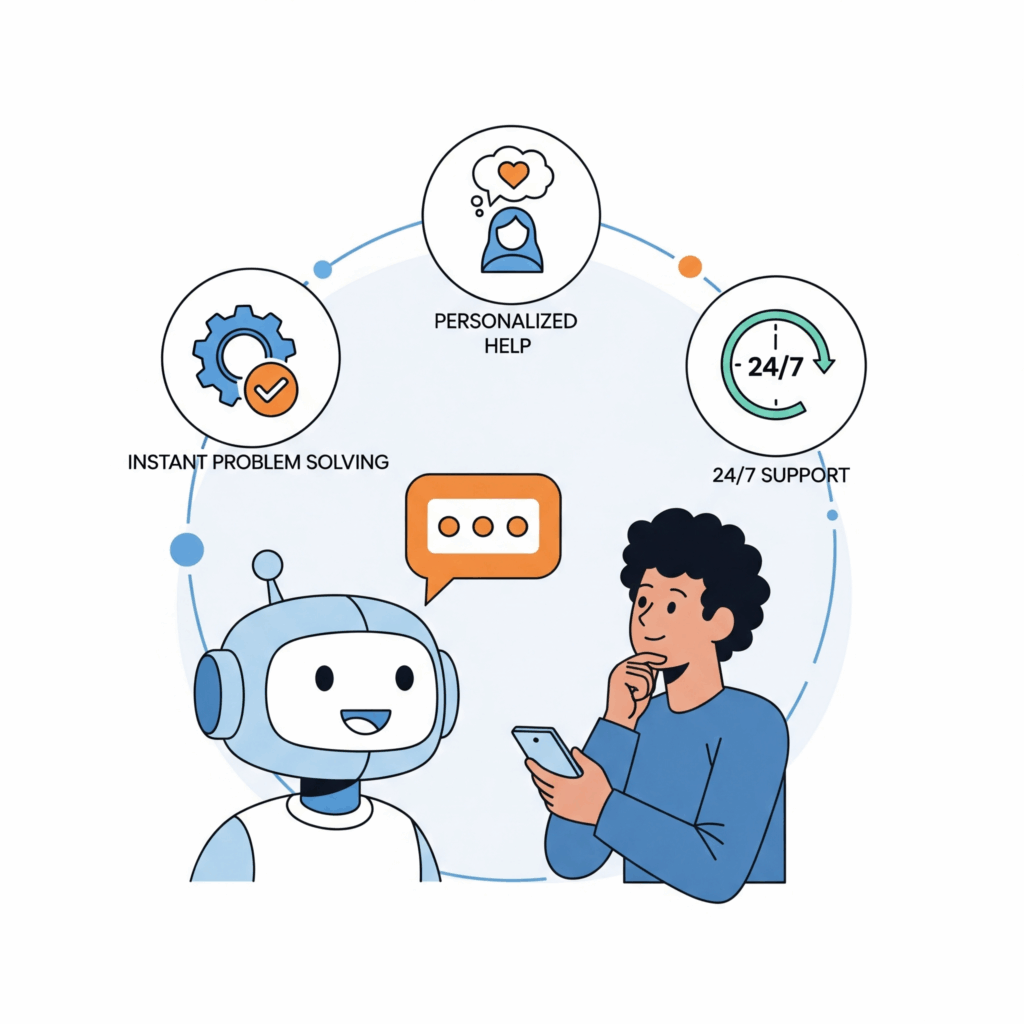
In the digital age, customer service has become the backbone of successful e-commerce businesses. With the rapid growth of online shopping, customers now expect instant, personalized, and seamless support across multiple platforms. This is where AI-powered chatbots have emerged as game-changers, transforming how businesses interact with their customers. Far from being just simple FAQ responders, modern AI chatbots are smart, adaptive, and capable of redefining customer experiences in powerful ways.  The Evolution of Customer Support in E-Commerce  Traditionally, online stores relied on human agents for live chat or call-based support. While effective, these methods often came with challenges such as long wait times, limited availability, and high operational costs. As e-commerce grew globally, customer expectations shifted toward 24/7 availability and quick solutions.  AI chatbots stepped in to fill this gap. Unlike older rule-based bots, today’s advanced AI systems use natural language processing (NLP) and machine learning (ML) to understand context, detect sentiment, and deliver responses that feel human-like. This evolution has made chatbots more than just support tools—they are now central to customer engagement and retention strategies.  Why AI Chatbots Matter in E-Commerce  One of the biggest advantages of AI chatbots is availability. Customers shop across time zones and expect immediate assistance, whether it’s 3 p.m. or 3 a.m. A chatbot never sleeps, providing round-the-clock service without adding to payroll costs.  Another crucial aspect is speed. In e-commerce, a delayed response can mean a lost sale. AI chatbots can answer thousands of queries simultaneously, ensuring customers get the information they need instantly. This not only improves satisfaction but also reduces cart abandonment rates—one of the biggest challenges online retailers face.  Personalization at Scale  One of the most powerful features of AI chatbots is their ability to personalize interactions. By analyzing past purchases, browsing behavior, and preferences, chatbots can recommend products tailored to individual customers. For example, a returning customer searching for sneakers might receive suggestions based on their favorite brands or price ranges.  This kind of personalized guidance mimics the experience of walking into a physical store and being assisted by a knowledgeable sales associate. It helps build stronger customer relationships and increases the likelihood of repeat purchases. Essentially, chatbots enable personalized shopping at scale, something human-only teams struggle to achieve.  Reducing Cart Abandonment  Cart abandonment remains a major issue in e-commerce, with rates averaging around 70% globally. Many customers abandon carts due to unanswered questions about shipping, return policies, or product details. AI chatbots play a direct role in reducing this problem by proactively engaging customers during checkout.  For instance, if a shopper hesitates at the payment page, a chatbot can pop up to offer help, apply a discount code, or answer last-minute questions. This real-time intervention often convinces customers to complete their purchases, directly boosting revenue.  Seamless Multichannel Support  Today’s shoppers don’t just stick to websites—they interact with brands through social media, messaging apps, and mobile apps. AI chatbots integrate seamlessly across these platforms, ensuring consistent support everywhere. Whether a customer messages a store on WhatsApp, Instagram, or directly on the website, the chatbot can provide instant and cohesive responses.  This omnichannel support is critical for building trust and loyalty. Customers feel valued when they get quick assistance on their preferred platforms without having to repeat themselves every time.  Cost Efficiency and Scalability  Hiring and training human customer service teams can be expensive, especially for growing e-commerce businesses. AI chatbots significantly reduce these costs by handling high volumes of repetitive queries—like shipping status, product availability, or return procedures.  At the same time, chatbots free up human agents to focus on complex issues requiring empathy and problem-solving. This combination leads to better efficiency, scalability, and cost savings, allowing businesses to grow without proportionally increasing their support expenses.  Challenges and Limitations  While AI chatbots bring numerous benefits, they are not without challenges. Poorly designed bots can frustrate customers with irrelevant or robotic responses. There’s also the risk of over-reliance, where businesses neglect the need for human support entirely.  To overcome these limitations, businesses must design chatbots with human handoff options. When a query goes beyond the chatbot’s capacity, the system should smoothly transfer the conversation to a live agent. Additionally, continuous training using customer data is essential to improve chatbot performance over time.  The Future of AI Chatbots in E-Commerce  Looking ahead, AI chatbots are set to become even more intelligent and interactive. With advancements in conversational AI, they will better understand emotions, intent, and context, making conversations feel more natural. Integration with voice assistants like Alexa and Google Assistant will further expand their role in shopping experiences.  Additionally, chatbots will likely evolve from being reactive (answering questions) to proactive (anticipating needs). Imagine a chatbot reminding a customer to reorder skincare products before they run out or suggesting new arrivals that align with their past purchases. These predictive features will elevate chatbots from being simple assistants to strategic sales drivers.  Final Thoughts  AI chatbots are no longer optional for e-commerce—they are essential tools for delivering the kind of customer service today’s shoppers demand. From personalized recommendations and reducing cart abandonment to offering 24/7 multichannel support, chatbots are redefining the way businesses connect with their customers.  For e-commerce businesses, investing in a well-designed AI chatbot is more than a tech upgrade—it’s a strategic move toward building trust, loyalty, and long-term growth. The future of online shopping is conversational, and chatbots are leading the way. 

Simplisell
Online Store

Building Trust Online: How Transparency Wins Over Skeptical Shoppers

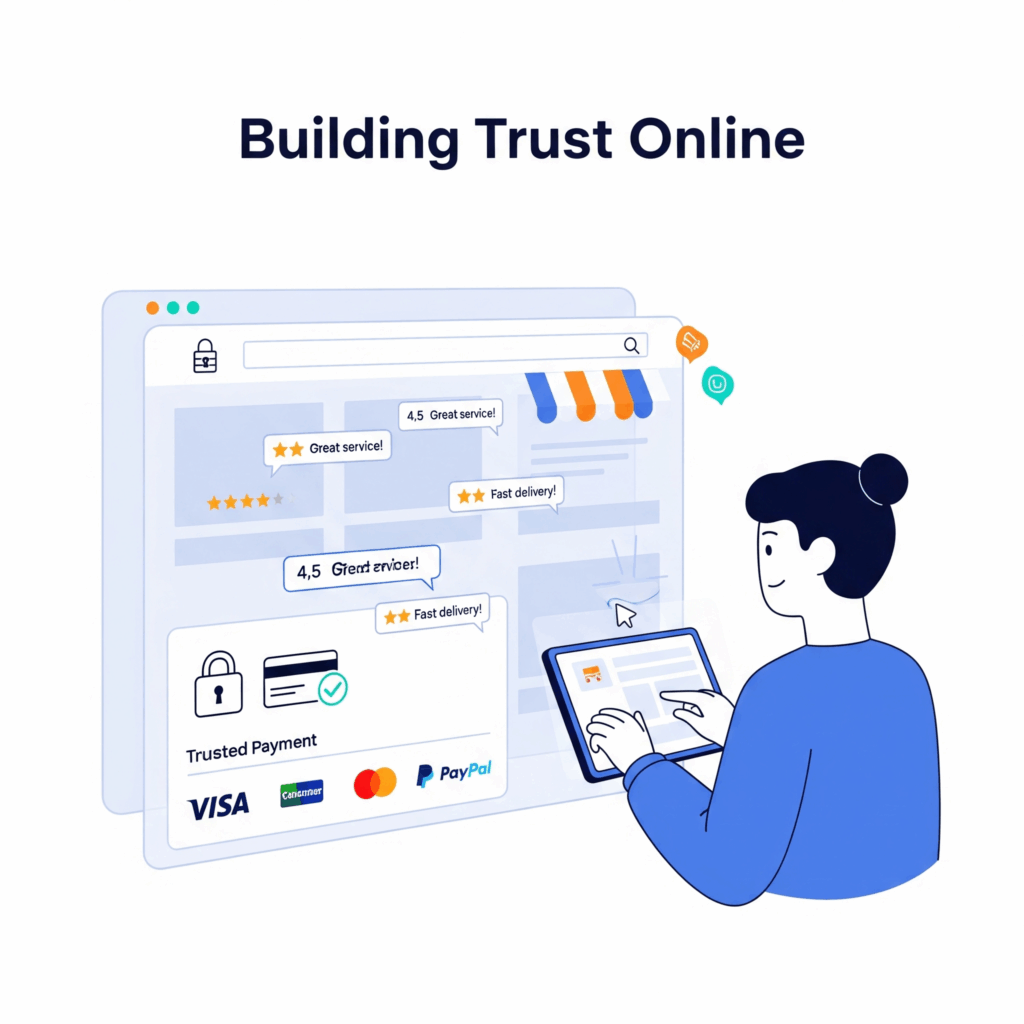
In the world of e-commerce, trust is currency. No matter how appealing your products are or how competitive your prices may be, if shoppers don’t trust your store, they won’t make a purchase. A recent survey revealed that 81% of consumers say trust in a brand is a deciding factor in their buying decision. With the internet full of scams, counterfeit products, and misleading information, building trust has become more critical than ever. Transparency—being open, honest, and straightforward—is one of the most effective ways to win over skeptical shoppers.  Why Trust Matters More Than Ever  Online shopping eliminates the chance for customers to physically touch, test, or inspect products before buying. This lack of tactile experience can trigger hesitation. Shoppers are left wondering: Will the product match the description? Will it arrive on time? What happens if it doesn’t fit or work?  Without trust, these doubts turn into abandoned carts. A trustworthy brand reassures customers by answering these questions upfront and removing uncertainty. In a marketplace overflowing with competitors, building a reputation for honesty and reliability isn’t just nice to have—it’s the foundation of long-term success.  Transparency Starts with Honest Product Descriptions  A clear and accurate product description is one of the simplest ways to build trust. Too often, brands oversell with flashy words or hide important details in fine print. While this may secure a quick sale, it often results in disappointment, returns, and lost customers.  Instead, focus on honest descriptions that include dimensions, materials, care instructions, and limitations. Adding high-quality images and videos from multiple angles helps customers visualize what they’re buying. When possible, user-generated photos and reviews provide additional credibility. The more accurate and transparent your product presentation is, the more confident customers will feel about hitting “Add to Cart.”  Show Transparency in Pricing and Policies  Hidden fees and complicated return policies are some of the fastest ways to destroy trust. Customers expect straightforward pricing without surprises at checkout. Display taxes, shipping charges, and any additional costs upfront to avoid frustration.  Similarly, return and refund policies should be clear, easy to find, and customer-friendly. A transparent return policy communicates that you stand behind your products. In fact, 67% of shoppers check return policies before making a purchase. Instead of burying this information deep in your website, highlight it proudly—it may be the reassurance a hesitant shopper needs.  The Power of Customer Reviews and Testimonials  Shoppers trust other shoppers more than they trust brands. Reviews, ratings, and testimonials act as social proof, giving potential buyers confidence in their decision. Even negative reviews can build credibility—because they show that your brand isn’t hiding feedback.  Encourage your customers to leave honest reviews and showcase them prominently on product pages. Highlight testimonials from verified buyers, include case studies, or display user-generated content such as photos or unboxing videos. This openness creates a sense of community and demonstrates that you value customer voices.  Communicating Behind-the-Scenes Practices  Modern consumers care about more than just the product—they care about how it’s made, who makes it, and its impact on the world. Brands that are transparent about their sourcing, sustainability practices, or labor policies often stand out from competitors.  For example, if you sell organic skincare, explain where your ingredients come from and why they’re safe. If you run a fashion store, share information about ethical sourcing or eco-friendly packaging. These details not only build trust but also resonate with values-driven customers who want to support responsible businesses.  Customer Service as a Trust Builder  A transparent e-commerce brand doesn’t stop communicating after checkout—it extends to customer service. Offering multiple contact options (chat, email, phone) and responding quickly to queries creates reassurance. Publishing FAQs, shipping timelines, and troubleshooting guides on your site also demonstrates openness.  Transparency in service also means owning up to mistakes. If a shipment is delayed, proactively inform customers instead of waiting for them to complain. An honest apology and a proactive solution often turn potential frustration into loyalty.  The Role of Security and Data Protection  Trust is not only about honesty in words but also about protecting customers’ personal and financial information. Displaying SSL certificates, secure payment options, and privacy policies is a must. Shoppers need to know that their data is safe with you.  Transparency here means being upfront about how you use customer data. Instead of hiding privacy terms in legal jargon, simplify them and reassure customers that their information won’t be misused.  Long-Term Impact of Transparency  Building trust through transparency isn’t a one-time effort—it’s a long-term strategy that compounds over time. When customers see a brand consistently being open and reliable, they become repeat buyers and brand advocates.  Transparency also helps reduce returns and complaints, since customers know exactly what to expect. Most importantly, it positions your brand as authentic, separating you from competitors who may prioritize short-term gains over long-term relationships.  Conclusion  In an age where skepticism is high and consumer expectations are rising, transparency is no longer optional—it’s essential. From product descriptions and pricing to policies and customer interactions, honesty creates a strong foundation of trust. When shoppers feel confident in your brand, they not only complete their first purchase but also return for many more.  By embracing transparency, you’re not just selling products—you’re building meaningful relationships that drive loyalty and growth. 

Simplisell
Online Store

The Future of E-Commerce Checkout: From One-Click to No-Click Payments

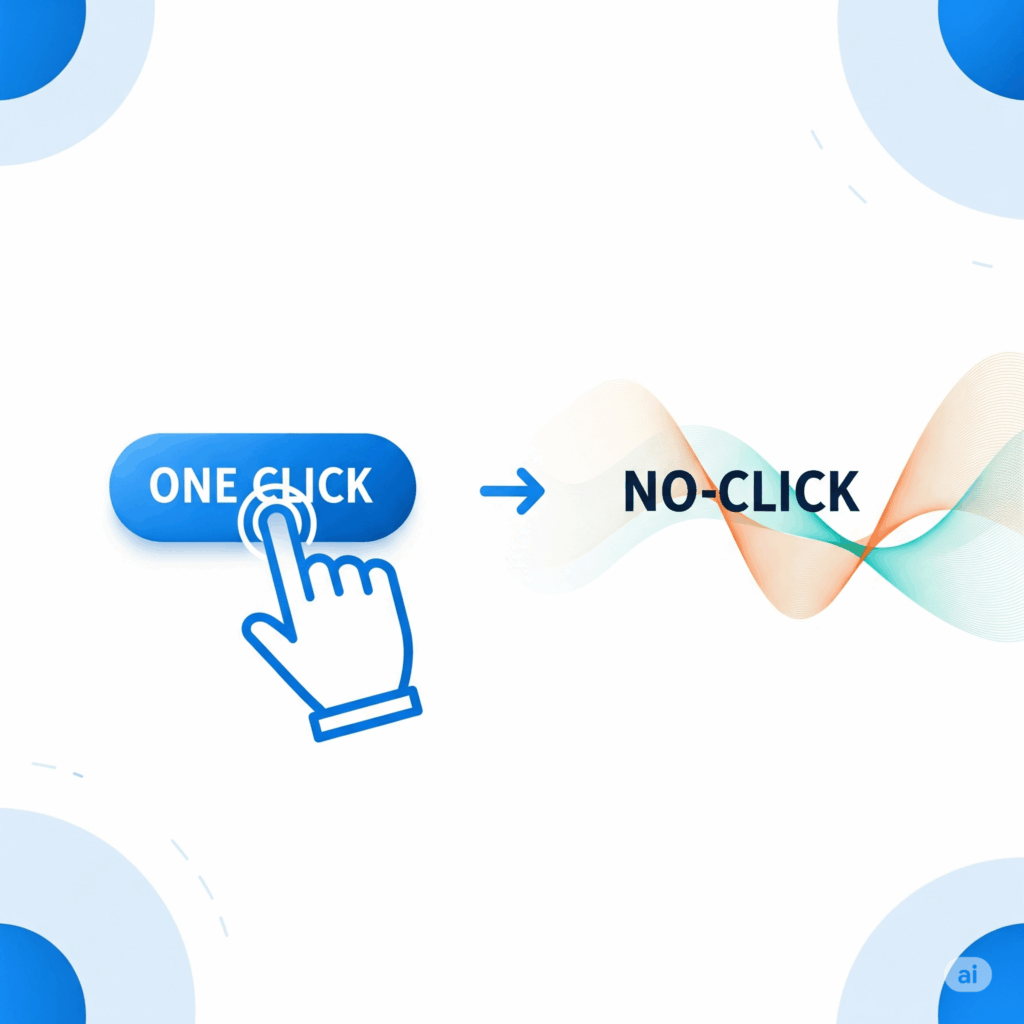
The e-commerce industry has undergone massive evolution in the past decade, with customer expectations driving most of the change. From personalized product recommendations to AI-driven support, every part of the buyer’s journey has seen improvements. Yet, one critical step still determines whether a sale is successful or abandoned: the checkout process. A long, complicated, or confusing checkout can ruin an otherwise smooth shopping experience. In fact, research shows that nearly 70% of online shopping carts are abandoned, and one of the top reasons is friction at checkout. That’s why e-commerce giants and innovative startups alike are laser-focused on reimagining checkout—from one-click simplicity to futuristic no-click payments. The Evolution of Checkout in E-Commerce Initially, online shopping required customers to fill lengthy forms for billing, shipping, and payment information each time they purchased. This was tedious and often frustrating. The launch of one-click checkout by Amazon changed the landscape, allowing buyers to skip repetitive data entry and make a purchase instantly. It not only reduced cart abandonment but also set a new industry benchmark for convenience. Since then, checkout innovation has moved rapidly. Digital wallets like PayPal, Apple Pay, and Google Pay have streamlined transactions further by securely storing payment details. Subscription models and auto-renewals reduced repeat effort for loyal customers. Now, technology is shifting toward no-click checkout—a future where purchases can be made with little or no active input from the buyer. One-Click Payments: The Game-Changer One-click payments marked the turning point for faster conversions. By eliminating unnecessary steps, businesses reduced friction and improved customer satisfaction. The model was so effective that Amazon’s one-click patent gave it an undeniable advantage for years, locking in customer loyalty. The psychology behind one-click is simple: remove barriers, reduce hesitation, and close the sale before doubt creeps in. Customers who may have abandoned their carts midway were suddenly completing transactions with a single tap. Today, one-click payments have become an industry standard, adopted by retailers across sectors. The Shift Toward No-Click Payments The next phase in checkout evolution is no-click payments, where transactions happen almost invisibly. Instead of clicking, tapping, or entering credentials, customers experience automated payments triggered by their intent or behavior. Examples include: No-click payments focus on invisibility and convenience—creating a buying experience so effortless that customers don’t even feel like they’re transacting. Benefits of Seamless Checkout Businesses and consumers both stand to gain from the future of checkout: Challenges on the Path to No-Click While the vision of no-click payments is compelling, challenges remain: E-commerce companies must balance convenience with control, ensuring customers feel empowered, not manipulated. Preparing Your Store for the Future For e-commerce brands, preparing for the future of checkout involves both technology adoption and customer education. Steps to take include: The Road Ahead As e-commerce continues to grow, checkout will remain the decisive point between interest and revenue. From the early days of tedious data entry to one-click convenience and now the dawn of no-click payments, the trajectory is clear: less friction, more automation, and greater personalization. The brands that succeed will be those that not only embrace innovation but also build trust, transparency, and security into the process. The future of e-commerce checkout is not just about speed—it’s about creating an invisible, effortless experience that strengthens customer loyalty while keeping them in control.

Simplisell
Online Store

Beyond Discounts: Creative Ways to Drive Sales Without Slashing Prices 

In today’s highly competitive retail landscape, discounts have become the go-to strategy for boosting sales and attracting customers. While offering deals may create short-term spikes in revenue, an over-reliance on markdowns often damages profit margins, lowers perceived brand value, and conditions shoppers to wait for the “next big sale” rather than buying at full price. To thrive in the long run, businesses need to think beyond discounts and embrace creative strategies that not only drive sales but also strengthen brand loyalty.  This blog explores innovative ways to win customers and increase sales without constantly slashing prices.  1. Create Memorable Customer Experiences  In modern retail, shoppers are not just buying products; they are seeking experiences. Brands that can engage customers emotionally often outperform those that compete solely on cost. Interactive experiences, such as in-store product demos, pop-up events, or online live streams, make shopping more immersive and exciting.  For online businesses, technology offers unique ways to enhance customer engagement. Virtual try-ons, augmented reality previews, and interactive product guides allow shoppers to visualize purchases before committing. By creating memorable interactions, businesses build trust and differentiate themselves from competitors, reducing the pressure to rely on discounts.  2. Highlight Value Over Price  Instead of focusing on lowering the cost, smart brands highlight the unique value their products deliver. This could mean emphasizing superior quality, sustainable sourcing, craftsmanship, or exclusive designs. When customers clearly understand why a product is worth its price, they are more willing to pay full value.  Educating customers through storytelling is one effective approach. Sharing the journey of how a product is made, who makes it, and the care behind its creation helps connect emotionally with buyers. This narrative elevates the perceived value, making the purchase feel more meaningful than a discounted deal.  3. Personalization as a Sales Driver  Today’s customers expect tailored experiences. Offering personalized recommendations, style suggestions, or curated bundles gives shoppers a sense of exclusivity. For instance, an online clothing store could suggest items based on a customer’s browsing history, while a skincare brand might provide custom routines based on skin type.  Personalization can also extend to loyalty programs and rewards. Instead of generic points, brands can offer early access to new collections, birthday surprises, or exclusive previews. Such personalized perks encourage repeat purchases without the need for heavy discounts.  4. Invest in Community Building  Strong communities create loyal customers. Brands that foster belonging often enjoy organic sales growth because customers advocate for them. Streetwear and beauty brands, for example, have successfully built communities where customers identify with the brand’s lifestyle and values.  Businesses can use social media groups, forums, or brand ambassador programs to create spaces where customers engage with one another. Encouraging user-generated content, such as reviews, photos, and testimonials, not only builds authenticity but also provides social proof, making others more likely to buy at full price.  5. Leverage Limited Editions and Exclusivity  Scarcity and exclusivity are powerful motivators. Limited-edition products, early releases, or collaborations with influencers or designers create a sense of urgency without lowering prices. Customers are often willing to pay a premium for items that feel rare and special.  Exclusivity also enhances brand desirability. When customers know that not everyone can own a particular product, its perceived value increases. This strategy is widely used in fashion, watches, and sneakers, but can be adapted to virtually any industry.  6. Focus on Excellent Customer Service  Great customer service is one of the most underestimated sales tools. When customers feel valued and cared for, they are more likely to return—even at full price. Responsive communication, easy returns, and personalized after-sales support can set a brand apart.  For online businesses, implementing chatbots for instant support or offering real-time consultations (such as virtual stylists or skincare advisors) can replicate the warmth of in-store experiences. Customers who feel supported often trust the brand more, making discounts unnecessary.  7. Bundle and Upsell Creatively  Bundling complementary products is an effective way to increase sales without cutting prices. For example, a skincare brand might sell a cleanser, toner, and moisturizer as a “complete glow set,” while a tech company could offer a phone with a matching case and charger. Customers perceive bundled products as providing more value, even when the price isn’t discounted.  Similarly, upselling and cross-selling strategies encourage customers to buy more by presenting logical add-ons. Done correctly, these tactics improve customer satisfaction while boosting revenue.  8. Elevate Packaging and Presentation  Packaging is more than a protective layer; it’s a brand experience. Premium, sustainable, or personalized packaging can make a product feel worth the price. Unboxing experiences, often shared on social media, influence others’ buying decisions too.  A thoughtfully designed package not only justifies full pricing but also enhances customer perception of the brand. Investing in presentation communicates quality and care—traits that encourage customers to pay for the experience rather than waiting for a sale.  9. Reward Loyalty Over Bargain Hunting  Loyalty programs don’t always need to revolve around discounts. Instead, brands can offer exclusive access, early product launches, or unique experiences for loyal customers. For example, VIP events, behind-the-scenes content, or one-on-one consultations can make customers feel special.  By rewarding loyalty through value-driven incentives, businesses encourage repeat purchases without devaluing their products. Loyal customers become brand advocates, driving word-of-mouth growth far more effectively than a one-time discount.  Conclusion  Discounts may be the easiest lever to pull for short-term sales, but they often come at the cost of long-term brand health. To drive sustainable growth, businesses must shift their focus from price wars to value creation. By investing in customer experiences, personalization, community building, exclusivity, service, bundling, and loyalty, brands can increase sales while maintaining profitability.  In a market where customers crave connection and meaning, selling without discounts is not just possible—it’s powerful. The future belongs to businesses that inspire loyalty and trust, making every purchase feel worthwhile at full price. 

Simplisell
Online Store

Packaging That Sells: How Unboxing Experience Impacts Customer Loyalty

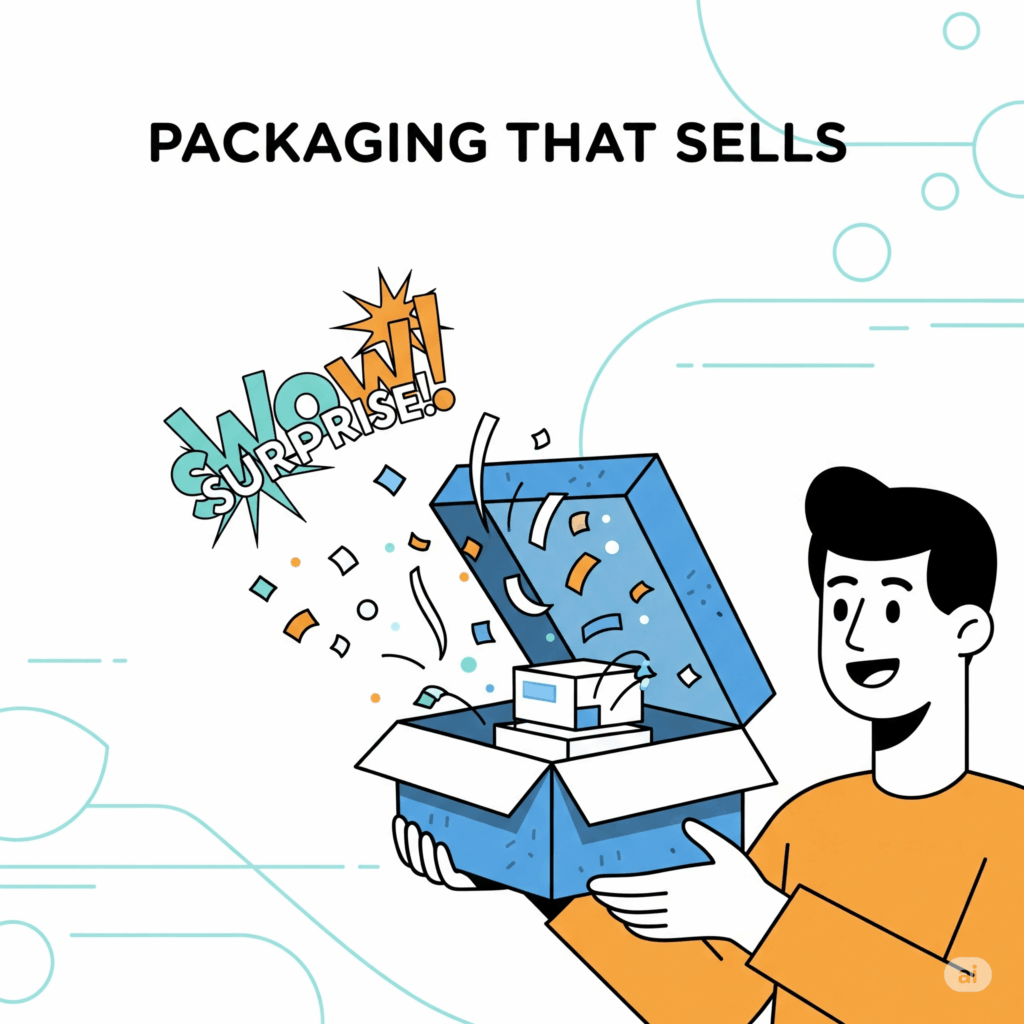
In today’s competitive e-commerce landscape, selling a great product is no longer enough to ensure long-term customer loyalty. Shoppers now expect memorable, personalized experiences that extend beyond the moment they click “Buy Now.” One of the most powerful yet often overlooked opportunities to create such an impression lies in packaging. The way your product is presented—how it arrives at the customer’s doorstep and how it feels to unbox—can significantly influence their perception of your brand. In fact, a well-thought-out unboxing experience can transform a one-time shopper into a loyal customer and even a brand advocate. Why Packaging Matters in E-Commerce Unlike in physical retail, online shoppers don’t get to touch, feel, or experience a product before purchase. Their first tangible interaction with your brand happens when they receive the package. This makes packaging not just a protective layer but also a storytelling medium. Research shows that 72% of consumers say packaging design influences their purchasing decisions, while 40% are more likely to share a product on social media if it comes in unique or premium packaging. For e-commerce businesses, this means packaging is not only a tool for protection but also a marketing opportunity that drives brand recall, customer satisfaction, and referrals. The Emotional Impact of Unboxing The act of unboxing a product can trigger emotions similar to opening a gift. When done right, it creates a sense of excitement, anticipation, and delight. This positive emotional connection enhances customer satisfaction and strengthens brand loyalty. Think about luxury brands: they often invest heavily in high-quality, elegant packaging to reflect their brand identity. The weight of the box, the texture of the wrapping, and the attention to detail all convey value. Even for mid-range brands, thoughtful touches like handwritten notes, eco-friendly materials, or personalized inserts can leave a lasting impression. Elements of an Effective Unboxing Experience Creating packaging that sells doesn’t mean you need to overspend. Instead, it’s about designing thoughtful experiences that align with your brand and resonate with your audience. Here are some key elements to consider: Packaging as a Marketing Tool An engaging unboxing experience doesn’t just stay with the customer—it spreads. Social media platforms like Instagram, TikTok, and YouTube have fueled the trend of “unboxing videos,” where consumers share their experiences with a broader audience. These videos serve as free, user-generated advertising for your brand. A simple but memorable unboxing moment can encourage customers to create content, tag your brand, and share their excitement online. This amplifies your reach and strengthens social proof, which is crucial for building trust in e-commerce. Balancing Cost and Creativity Some businesses worry about the cost of custom packaging, especially when margins are tight. However, you don’t need to break the bank to create impact. Even small gestures—like branded tissue paper, custom thank-you notes, or creative use of color and typography—can elevate the experience. The key is to strike a balance between practicality and creativity. Functional packaging that protects the product while still offering a delightful unboxing moment can go a long way in improving customer satisfaction. Building Customer Loyalty Through Packaging Customer loyalty is not built overnight; it’s a series of positive experiences that strengthen trust over time. Packaging plays a crucial role in this journey by shaping the customer’s first impression and reinforcing their decision to purchase from you again. When customers feel that a brand has invested in making their experience special, they are more likely to return and recommend it to others. In fact, studies suggest that 52% of customers are willing to make repeat purchases from brands that deliver premium packaging experiences. Final Thoughts In the world of e-commerce, where digital interactions dominate, packaging is one of the few physical touchpoints you have with your customer. A thoughtful unboxing experience can elevate your brand, differentiate you from competitors, and foster emotional connections that drive loyalty. If you want customers to not only buy but also remember and advocate for your brand, start by reimagining your packaging strategy. After all, the box your product arrives in may be the first step toward a lasting relationship.

Simplisell
Online Store

The Rise of Voice Search in Online Shopping: How to Optimize for It 

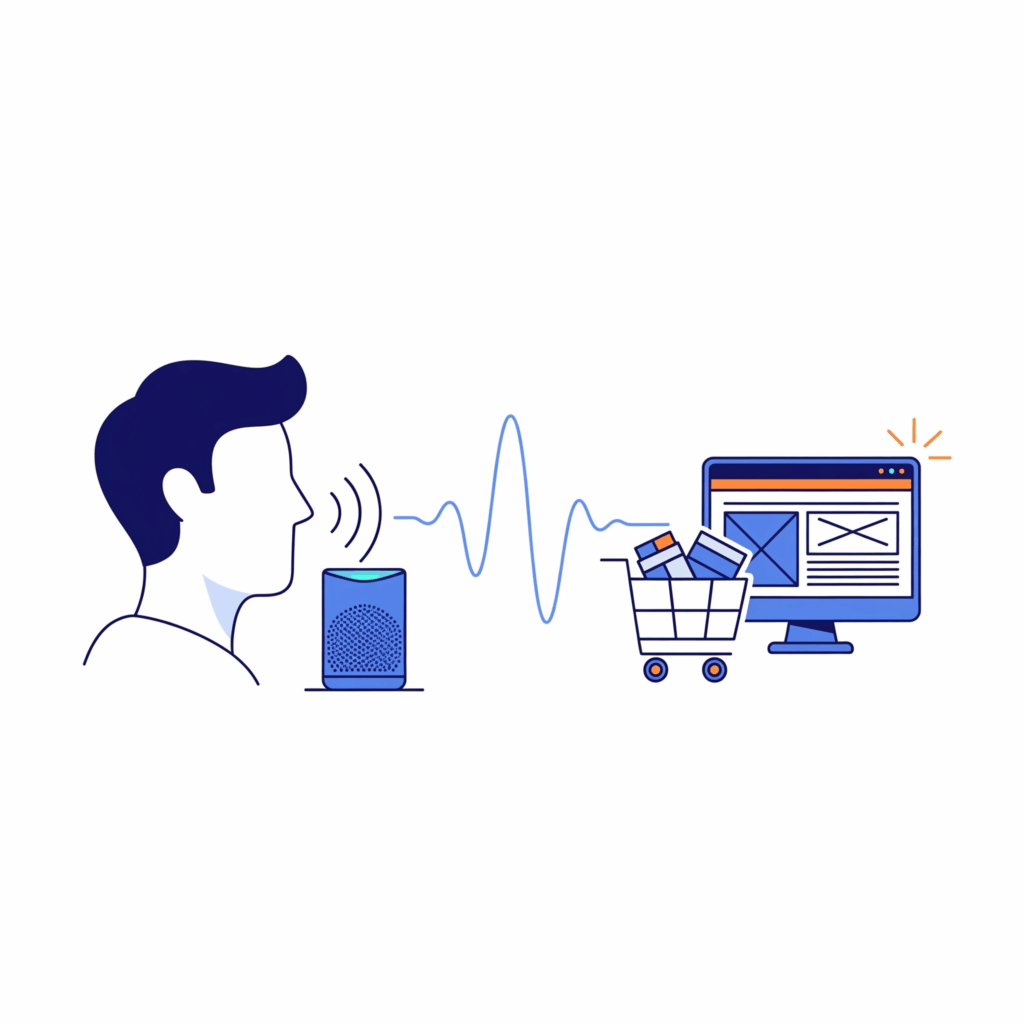
E-commerce is evolving at lightning speed, and one of the most significant shifts in recent years is the rise of voice search. With the popularity of smart speakers like Amazon Alexa, Google Assistant, and Apple’s Siri, consumers are changing the way they search for products online. Instead of typing keywords, they are simply asking their devices to find, compare, and even purchase items. This shift toward voice-driven interactions presents a massive opportunity for online retailers.  In this blog, we’ll explore why voice search is transforming e-commerce and share practical strategies to optimize your online store for this growing trend.  Why Voice Search is Gaining Momentum  One of the main reasons for the surge in voice search is convenience. Speaking is faster than typing, and for busy customers, voice assistants help multitask while shopping. For example, someone cooking dinner might ask, “Alexa, order olive oil from Amazon” instead of stopping to open their phone and type.  Another factor is the natural way people use voice search. Instead of typing short phrases like “best sneakers men,” they ask complete questions such as, “What are the best running shoes for men under $100?” This conversational approach is shaping the way search engines display results and how e-commerce stores need to structure their content.  According to reports, more than half of online shoppers have already used voice search to find products. As the technology becomes more accurate, it’s clear that voice commerce—or “v-commerce”—isn’t just a trend but the future of digital shopping.  How Voice Search Impacts E-Commerce  Voice search is not just about finding products—it changes the entire online shopping journey. Here’s how it impacts e-commerce businesses:  Strategies to Optimize Your Online Store for Voice Search  To thrive in the voice-commerce era, online businesses must rethink how they structure content and optimize their websites. Here are some actionable strategies:  1. Focus on Conversational Keywords  Traditional SEO relied on short, high-volume keywords. With voice search, customers use natural language. For example, instead of optimizing for “women’s jackets,” you should target phrases like “What are the best lightweight jackets for women this winter?”  Start by brainstorming the type of questions customers might ask about your products and incorporate those long-tail keywords into your product descriptions, FAQs, and blog posts.  2. Optimize for Featured Snippets  Since voice assistants often pull answers from featured snippets, winning this spot can put your store ahead of competitors. Use clear, concise language to answer common customer questions directly within your content. For instance, if you sell skincare products, include a section like “Best face creams for dry skin under $50” in your blog.  3. Improve Mobile and Website Speed  Most voice searches happen on mobile devices, so having a fast, mobile-friendly website is non-negotiable. Google prioritizes speed and user experience in rankings, meaning a slow site could prevent you from appearing in voice results.  4. Leverage Local SEO  If you run a small business or D2C brand, optimizing for local search is key. Voice users often ask location-specific questions. Ensure your Google Business Profile is updated with accurate business hours, address, and customer reviews.  5. Build an FAQ Page with Natural Language  An FAQ page is a goldmine for voice optimization. Think about questions like “How long does shipping take?” or “What’s the best gift for Mother’s Day under $50?” By answering these in a conversational tone, your content aligns with how people actually ask questions via voice assistants.  6. Use Schema Markup for Better Visibility  Schema markup (structured data) helps search engines understand your site better. By tagging your products, reviews, prices, and availability, you increase the chances of being selected as the answer to a voice query.  7. Embrace Voice Commerce Technology  Some platforms now allow direct voice-enabled shopping. For example, integrating Alexa skills or Google Actions could help customers order from your store using simple voice commands. Investing in these technologies early could give your business a competitive edge.  The Future of Voice in E-Commerce  Voice search is not replacing traditional search but complementing it. Consumers still use text and visuals when shopping, but voice is becoming the entry point for quick decisions and everyday purchases. As artificial intelligence improves, voice assistants will become even more personalized, offering tailored shopping recommendations.  E-commerce brands that adapt early to this shift will have a strong advantage. The key is to focus on creating a seamless, conversational, and customer-first shopping experience.  Conclusion  The rise of voice search is reshaping how people discover and buy products online. For e-commerce businesses, it’s no longer just about optimizing for screens but also for spoken queries. By focusing on conversational keywords, local SEO, featured snippets, and a strong FAQ strategy, you can ensure your store is visible in the voice-commerce landscape.  The businesses that succeed in the next wave of digital retail will be those that listen closely to how customers speak—and respond just as naturally. 

Simplisell
Online Store

Micro-Moments in E-Commerce: Capturing Customers in Seconds

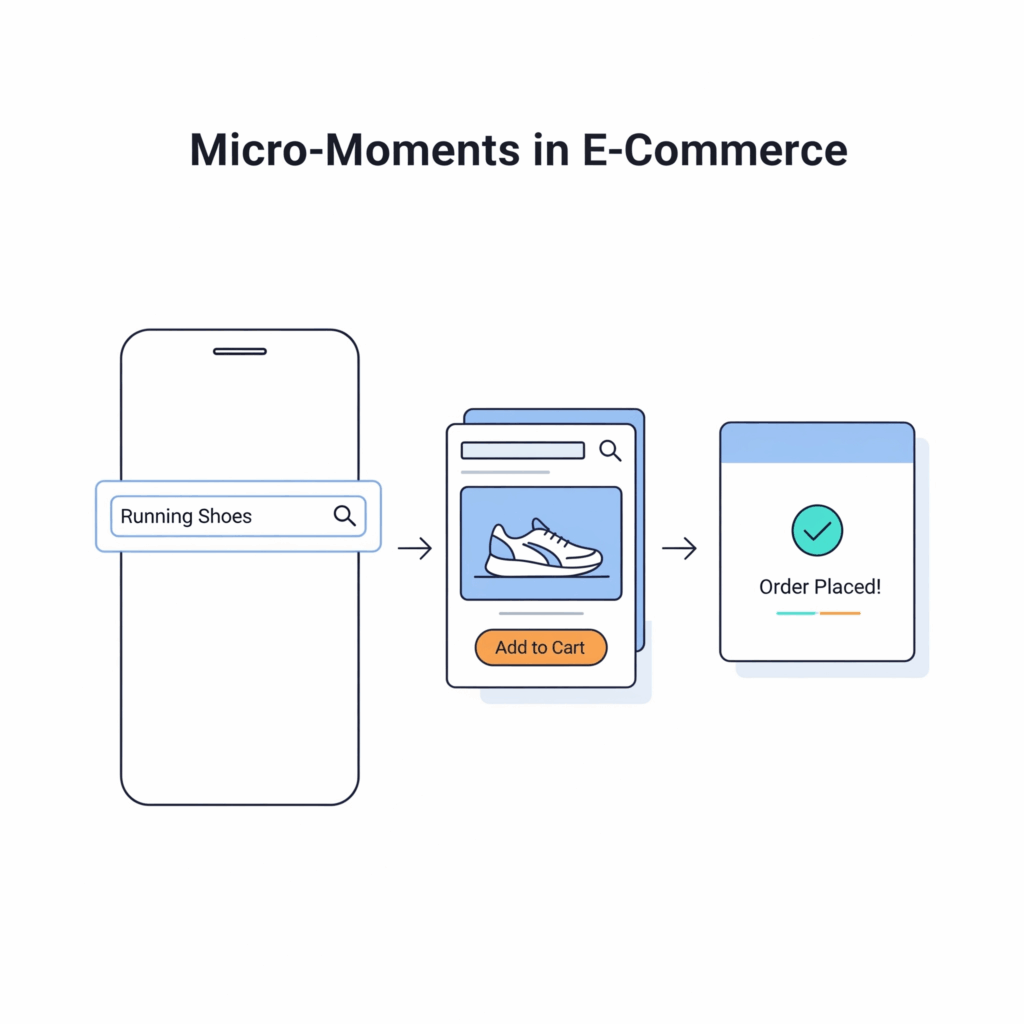
In today’s fast-paced digital world, customer attention spans are shrinking, and their buying journeys are increasingly shaped by quick decisions. This is where micro-moments come into play. Coined by Google, micro-moments refer to those intent-driven moments when consumers turn to their devices to know something, do something, buy something, or go somewhere. For e-commerce businesses, understanding and capitalizing on these moments is crucial to winning customers instantly and influencing purchase decisions.  These moments don’t follow a traditional buying funnel. Instead, they are spontaneous, brief, and highly actionable. In just a few seconds, your online store has the opportunity to convert a casual browser into a paying customer—or lose them to a competitor who reacts faster.  Understanding the Four Types of Micro-Moments  To make the most of micro-moments in e-commerce, it’s important to know the four primary categories that drive customer behavior:  By identifying which type of micro-moment your target audience is in, you can tailor content, ads, and experiences that move them quickly toward conversion.  Why Micro-Moments Matter in E-Commerce  Unlike traditional marketing campaigns that take weeks or months to influence buyers, micro-moments are instant opportunities to connect and convert. According to Google, 90% of smartphone users are not brand-committed when they begin online shopping. That means the brand that shows up at the right moment often wins.  For e-commerce, this can mean the difference between a lost sale and a repeat customer. Micro-moments shift power toward the consumer, making speed, relevance, and convenience the deciding factors. If your store can deliver the right message in seconds, you’re more likely to secure the sale.  Strategies to Capture Micro-Moments  1. Optimize for Mobile Speed and Usability  Micro-moments often happen on smartphones, so your online store must load fast and be mobile-friendly. A delay of even a few seconds can cause shoppers to abandon your site. Simplify navigation, streamline checkout, and use mobile-optimized visuals to ensure customers don’t get frustrated mid-journey.  2. Invest in SEO for Intent-Based Keywords  When people search for “best organic skincare for dry skin” or “affordable handmade jewelry,” they are signaling strong intent. By optimizing your store with long-tail and question-based keywords, you can rank higher in those crucial micro-moments. Product descriptions, blogs, and FAQs should all align with these intent-driven searches.  3. Leverage Personalization  Data-driven personalization is key to capturing attention quickly. Show customers recently viewed products, personalized recommendations, or targeted discounts based on their browsing history. This reduces decision fatigue and pushes them closer to purchase in seconds.  4. Use Paid Ads Wisely  Google Ads, social media ads, and retargeting campaigns can be highly effective in micro-moments. Dynamic product ads that appear when someone is actively searching for similar items ensure your brand stays top of mind during high-intent searches.  5. Provide Instant Customer Support  A shopper in an “I-want-to-buy” moment may abandon their cart if a question goes unanswered. Features like live chat, AI-driven chatbots, or even WhatsApp support can provide real-time solutions that convert hesitant customers into buyers.  6. Build Trust with Social Proof  In micro-moments, customers look for reassurance. User-generated reviews, testimonials, and ratings displayed prominently on product pages can instantly build credibility and reduce hesitation.  7. Simplify the Checkout Experience  Even when customers are ready to buy, a complicated checkout can ruin the moment. Offering multiple payment options, one-click checkout, and guest purchases can make the buying process seamless.  Examples of Micro-Moment Success  Preparing for the Future of Micro-Moments  As AI, voice search, and instant commerce continue to evolve, micro-moments will become even more influential in shaping e-commerce. Consumers expect businesses to anticipate their needs, reduce friction, and deliver instant gratification.  Brands that invest in intent-driven SEO, fast mobile experiences, personalization, and trust-building will not only win in these fleeting moments but also build long-term loyalty.  Conclusion  Micro-moments are the new battleground for e-commerce success. They’re not about pushing customers through a long funnel but about being present, relevant, and useful at the exact second a shopper makes a decision. Whether it’s answering a quick question, offering a tailored product, or delivering a seamless checkout, the brand that acts fastest wins.  In the age of instant decisions, capturing micro-moments is no longer optional—it’s essential. E-commerce businesses that master this art will find themselves not just selling products, but becoming an integral part of customers’ lives. 

Simplisell
Online Store

Turning One-Time Shoppers into Repeat Buyers: Smart E-Commerce Strategies

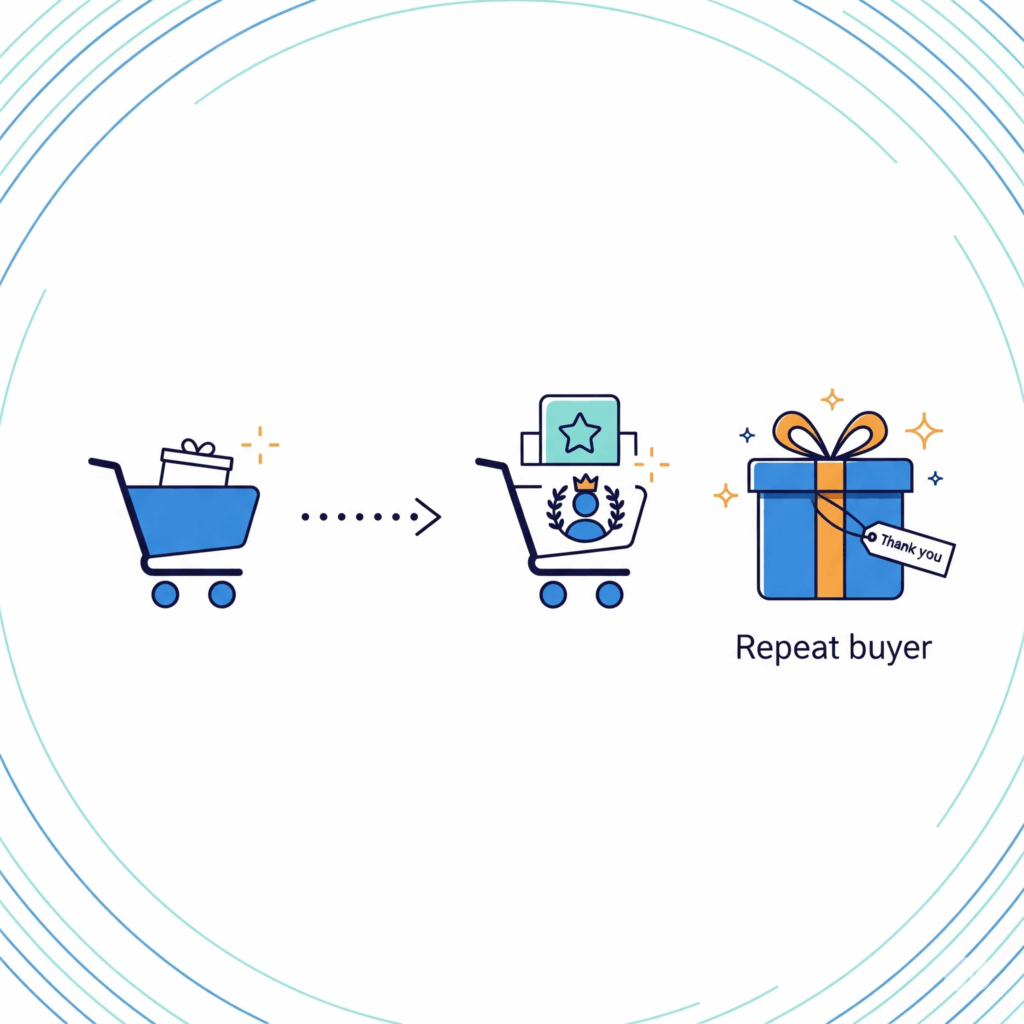
In the competitive world of e-commerce, getting customers to make their first purchase is only half the battle. The real challenge—and opportunity—lies in turning those one-time shoppers into repeat buyers. Studies show that increasing customer retention rates by just 5% can boost profits by 25% to 95%. Repeat customers not only spend more but also become advocates for your brand. To thrive in today’s market, e-commerce businesses must focus on building loyalty, trust, and long-term relationships through smart strategies.  Why Repeat Buyers Matter  Acquiring a new customer often costs five times more than retaining an existing one. First-time shoppers are usually cautious and may only test your store with a small purchase. But when they return, their basket size often grows as trust builds. Repeat customers also have a higher lifetime value, provide word-of-mouth marketing, and create stability for your business. In short, they are the backbone of sustainable e-commerce growth.  Deliver a Seamless Post-Purchase Experience  The customer journey doesn’t end at checkout. If the post-purchase experience falls short, a one-time buyer may never return. Focus on fast, reliable shipping, transparent tracking, and eco-friendly packaging that reflects your brand values. A follow-up email thanking the customer and confirming order details can build trust. Going a step further with proactive updates on shipping progress or delivery status assures the customer that you care. A positive post-purchase experience leaves a lasting impression and lays the foundation for repeat business.  Personalize Customer Engagement  Today’s shoppers expect personalized experiences. Use data from customer interactions, browsing history, and purchase behavior to tailor product recommendations and communication. Personalized emails such as “You might also like” suggestions or reminders about complementary products can drive repeat sales. Loyalty-building also comes from remembering customer preferences—like offering size or color recommendations based on previous choices. The more relevant the engagement, the more valued your customers will feel, increasing their likelihood of returning.  Create Loyalty Programs That Work  Loyalty programs are one of the most effective tools to transform one-time buyers into repeat customers. Reward shoppers for every purchase, referral, or social media mention. Points can be redeemed for discounts, free shipping, or exclusive products. Tiered programs that offer greater benefits for higher spending can motivate customers to stay engaged and keep shopping. More importantly, structure your loyalty program so that it feels effortless and rewarding, not complicated. Simple, transparent rewards encourage customers to come back for more.  Stay Top-of-Mind With Remarketing  Even satisfied first-time shoppers may forget your store in a crowded online marketplace. Remarketing campaigns—through email, SMS, or social media ads—can help you stay on their radar. For example, send a reminder about items left in their cart, or offer a discount code for their next purchase. Gentle nudges like “We thought you’d love this” or showcasing trending products keep your brand in front of them. The key is to strike a balance: stay visible without overwhelming your customers with constant messages.  Build Trust With Social Proof and Reviews  New shoppers often rely on reviews and ratings before making repeat purchases. Encourage satisfied customers to leave feedback after their first order. Share these testimonials on your product pages, social media, and email campaigns. Featuring user-generated content such as photos of customers using your products adds authenticity. This social proof reassures one-time buyers that others trust your brand, making them more likely to buy again. Transparency and trustworthiness play a critical role in creating long-term relationships.  Offer Exclusive Deals to Returning Customers  A smart way to motivate customers to come back is by offering exclusive deals for their second or third purchase. For example, send a personalized thank-you email after their first order with a discount for the next one. VIP sales or early access to new collections for returning customers can also create excitement and a sense of privilege. Shoppers who feel they are getting special treatment are more likely to develop brand loyalty and turn into repeat buyers.  Invest in Customer Support  Customer support is often underestimated in e-commerce. One poor experience with returns, refunds, or inquiries can turn away a buyer for good. On the other hand, exceptional support can convert a hesitant first-time customer into a lifelong advocate. Offer multiple channels for support, such as live chat, email, and social media. Ensure responses are quick, empathetic, and solution-oriented. A proactive support team that goes above and beyond creates a positive impression that shoppers won’t forget.  Focus on Community and Connection  Beyond transactions, successful e-commerce brands build communities around shared values and interests. Invite customers to join your brand’s social media groups, participate in surveys, or contribute to discussions about new products. Sharing behind-the-scenes stories about your business, employees, or production process makes customers feel connected on a deeper level. When shoppers feel part of a community, they are more likely to stay loyal and engage repeatedly with your brand.  Conclusion: Retention Over Acquisition  Turning one-time shoppers into repeat buyers requires a shift in focus from short-term transactions to long-term relationships. By delivering excellent post-purchase experiences, personalizing engagement, rewarding loyalty, and staying top-of-mind, you create reasons for customers to return again and again. Remember, retention isn’t just about discounts—it’s about building trust, delivering value, and fostering genuine connections. In the crowded e-commerce landscape, brands that master customer retention strategies will not only survive but thrive. 

Simplisell
Online Store

E-Commerce SEO: How to Rank Your Online Store on Google

In the highly competitive world of online shopping, having a well-designed store and quality products isn’t enough. If your store isn’t visible on Google, your potential customers may never even discover it. That’s where E-commerce SEO (Search Engine Optimization) comes in. By optimizing your online store, you increase its chances of ranking higher on Google’s search results, driving organic traffic and, ultimately, sales. Let’s explore how you can rank your online store effectively using proven SEO strategies.  Why SEO Matters for E-Commerce  Unlike paid ads, SEO is a long-term investment. When your store ranks on Google organically, it builds trust with customers, as people often view top search results as more credible. Studies show that 68% of online experiences start with a search engine, and the first page of Google gets over 90% of clicks.  For e-commerce brands, SEO is even more powerful because it directly connects shoppers with their buying intent. For example, if someone searches “best organic cotton bedsheets online,” they’re already ready to purchase. Ranking for such queries can skyrocket your sales.  Step 1: Optimize Your Keyword Strategy  The backbone of SEO is keyword research. For e-commerce, keywords should match both product searches and buying intent.  Tools like Google Keyword Planner, Ahrefs, or Ubersuggest can help identify what your customers are searching for. Place these keywords strategically in product titles, descriptions, meta tags, and even image alt text.  Step 2: Product Page Optimization  Every product page on your site is a chance to rank on Google. An optimized product page should include:  Step 3: Create a User-Friendly Site Structure  A cluttered site confuses both customers and search engines. A clean structure ensures smooth navigation and better indexing by Google.  Remember: a seamless shopping journey not only boosts rankings but also improves conversions.  Step 4: Improve Site Speed and Mobile Optimization  Google prioritizes fast, mobile-friendly websites in its rankings. With most shoppers browsing on smartphones, speed is critical.  Google’s PageSpeed Insights tool can help identify what’s slowing down your site.  Step 5: Build Content Around Your Store  Content marketing and SEO go hand in hand. By creating helpful and engaging content, you can attract organic traffic while positioning your store as an authority.  The more valuable content you publish, the more opportunities you create for customers to find your store.  Step 6: Focus on Technical SEO  Behind the scenes, technical SEO ensures search engines can crawl and index your website properly.  Step 7: Build Backlinks and Social Proof  Backlinks—links from other websites to yours—are like votes of confidence for your store. The more authoritative links you have, the higher your chances of ranking.  Social proof also boosts credibility, signaling to Google that your site is trustworthy.  Step 8: Measure and Adjust  SEO isn’t a one-time task; it’s an ongoing process. Track your performance using tools like:  Regularly update content, test keywords, and fine-tune your strategy based on results.  Conclusion  Ranking your e-commerce store on Google requires a mix of keyword strategy, content creation, technical SEO, and user experience optimization. While it may seem overwhelming, the payoff is huge—organic traffic that costs nothing compared to paid ads and builds long-term trust.  By focusing on SEO consistently, you’re not just driving visitors—you’re attracting potential customers ready to buy. Start small, optimize gradually, and watch your store climb Google’s rankings while your sales grow. 

Scroll to Top