

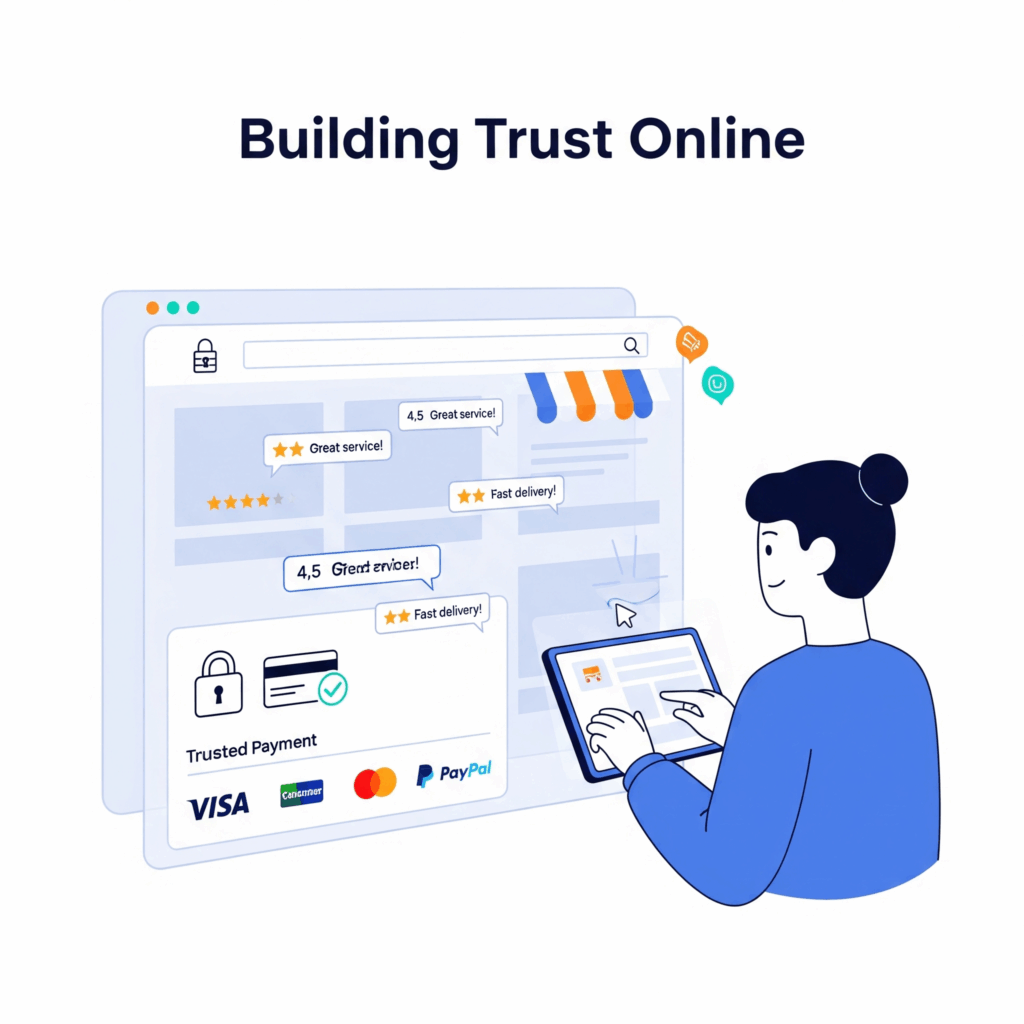
In the world of e-commerce, trust is currency. No matter how appealing your products are or how competitive your prices may be, if shoppers don’t trust your store, they won’t make a purchase. A recent survey revealed that 81% of consumers say trust in a brand is a deciding factor in their buying decision. With the internet full of scams, counterfeit products, and misleading information, building trust has become more critical than ever. Transparency—being open, honest, and straightforward—is one of the most effective ways to win over skeptical shoppers.
Why Trust Matters More Than Ever
Online shopping eliminates the chance for customers to physically touch, test, or inspect products before buying. This lack of tactile experience can trigger hesitation. Shoppers are left wondering: Will the product match the description? Will it arrive on time? What happens if it doesn’t fit or work?
Without trust, these doubts turn into abandoned carts. A trustworthy brand reassures customers by answering these questions upfront and removing uncertainty. In a marketplace overflowing with competitors, building a reputation for honesty and reliability isn’t just nice to have—it’s the foundation of long-term success.
Transparency Starts with Honest Product Descriptions
A clear and accurate product description is one of the simplest ways to build trust. Too often, brands oversell with flashy words or hide important details in fine print. While this may secure a quick sale, it often results in disappointment, returns, and lost customers.
Instead, focus on honest descriptions that include dimensions, materials, care instructions, and limitations. Adding high-quality images and videos from multiple angles helps customers visualize what they’re buying. When possible, user-generated photos and reviews provide additional credibility. The more accurate and transparent your product presentation is, the more confident customers will feel about hitting “Add to Cart.”
Show Transparency in Pricing and Policies
Hidden fees and complicated return policies are some of the fastest ways to destroy trust. Customers expect straightforward pricing without surprises at checkout. Display taxes, shipping charges, and any additional costs upfront to avoid frustration.
Similarly, return and refund policies should be clear, easy to find, and customer-friendly. A transparent return policy communicates that you stand behind your products. In fact, 67% of shoppers check return policies before making a purchase. Instead of burying this information deep in your website, highlight it proudly—it may be the reassurance a hesitant shopper needs.
The Power of Customer Reviews and Testimonials
Shoppers trust other shoppers more than they trust brands. Reviews, ratings, and testimonials act as social proof, giving potential buyers confidence in their decision. Even negative reviews can build credibility—because they show that your brand isn’t hiding feedback.
Encourage your customers to leave honest reviews and showcase them prominently on product pages. Highlight testimonials from verified buyers, include case studies, or display user-generated content such as photos or unboxing videos. This openness creates a sense of community and demonstrates that you value customer voices.
Communicating Behind-the-Scenes Practices
Modern consumers care about more than just the product—they care about how it’s made, who makes it, and its impact on the world. Brands that are transparent about their sourcing, sustainability practices, or labor policies often stand out from competitors.
For example, if you sell organic skincare, explain where your ingredients come from and why they’re safe. If you run a fashion store, share information about ethical sourcing or eco-friendly packaging. These details not only build trust but also resonate with values-driven customers who want to support responsible businesses.
Customer Service as a Trust Builder
A transparent e-commerce brand doesn’t stop communicating after checkout—it extends to customer service. Offering multiple contact options (chat, email, phone) and responding quickly to queries creates reassurance. Publishing FAQs, shipping timelines, and troubleshooting guides on your site also demonstrates openness.
Transparency in service also means owning up to mistakes. If a shipment is delayed, proactively inform customers instead of waiting for them to complain. An honest apology and a proactive solution often turn potential frustration into loyalty.
The Role of Security and Data Protection
Trust is not only about honesty in words but also about protecting customers’ personal and financial information. Displaying SSL certificates, secure payment options, and privacy policies is a must. Shoppers need to know that their data is safe with you.
Transparency here means being upfront about how you use customer data. Instead of hiding privacy terms in legal jargon, simplify them and reassure customers that their information won’t be misused.
Long-Term Impact of Transparency
Building trust through transparency isn’t a one-time effort—it’s a long-term strategy that compounds over time. When customers see a brand consistently being open and reliable, they become repeat buyers and brand advocates.
Transparency also helps reduce returns and complaints, since customers know exactly what to expect. Most importantly, it positions your brand as authentic, separating you from competitors who may prioritize short-term gains over long-term relationships.
Conclusion
In an age where skepticism is high and consumer expectations are rising, transparency is no longer optional—it’s essential. From product descriptions and pricing to policies and customer interactions, honesty creates a strong foundation of trust. When shoppers feel confident in your brand, they not only complete their first purchase but also return for many more.
By embracing transparency, you’re not just selling products—you’re building meaningful relationships that drive loyalty and growth.