

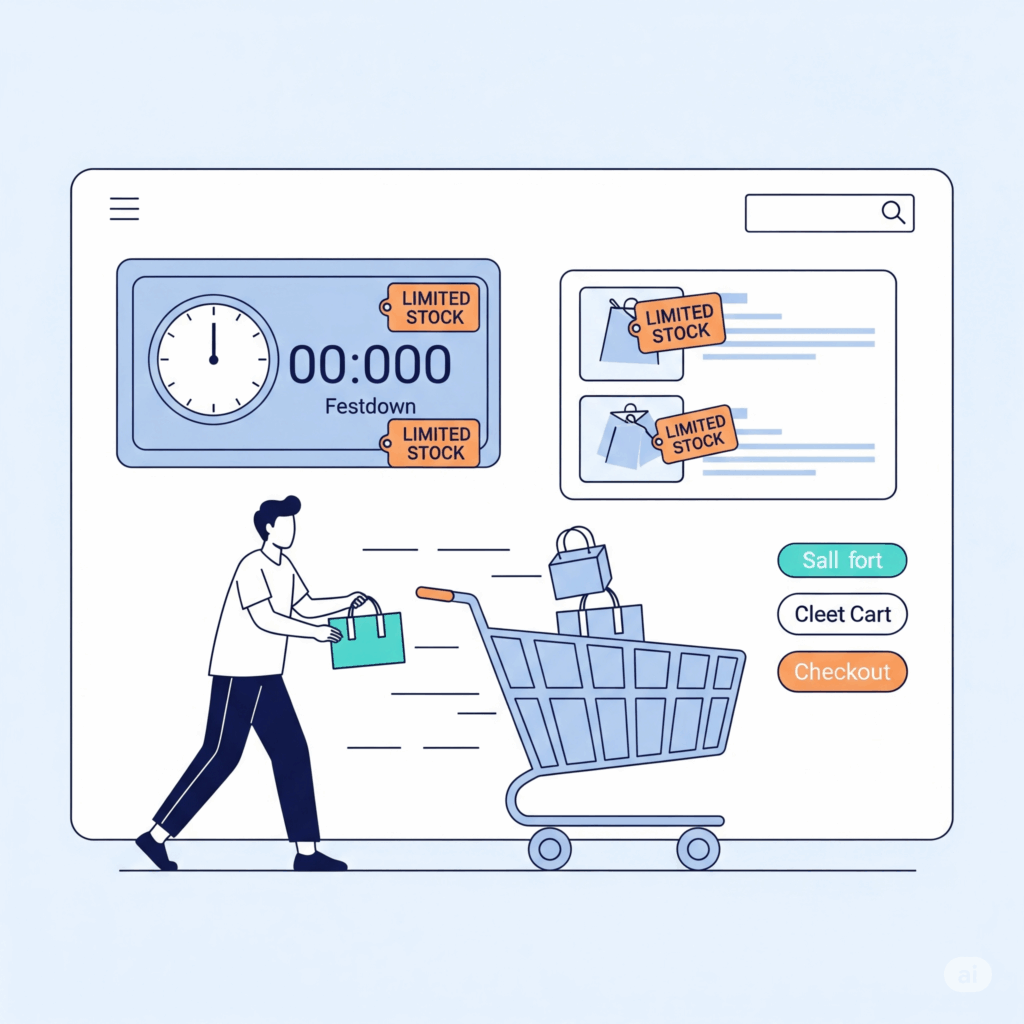
In a crowded e-commerce marketplace, the key to standing out and converting browsers into buyers often lies in mastering psychological triggers. Two of the most powerful triggers you can leverage are scarcity and urgency. These tactics play on the fear of missing out (FOMO) and can significantly impact consumer behavior when used strategically and ethically.
Understanding Scarcity and Urgency
Scarcity is the principle that limited availability of a product increases its perceived value. When customers know a product is available in limited quantities, they feel more compelled to purchase before it’s gone. Think of phrases like “Only 3 left in stock” or “Limited edition”—they create a sense of exclusivity.
Urgency, on the other hand, relates to time-sensitive offers. It encourages quick action by reminding shoppers that they must act fast or miss out. Phrases such as “Ends in 2 hours!” or “Flash Sale Today Only!” exemplify urgency in e-commerce.
Both scarcity and urgency tap into our primal instincts to act quickly when we perceive a potential loss—this is what makes them so effective in boosting e-commerce sales.
Why Scarcity and Urgency Work
These tactics aren’t just marketing fluff—they’re backed by psychological studies and behavioral economics. The scarcity heuristic tells us that people place higher value on items that are perceived as rare. Similarly, the concept of loss aversion (a principle from behavioral economics) reveals that people are more motivated by the fear of losing something than the pleasure of gaining something.
When done right, scarcity and urgency can:
- Speed up decision-making
- Increase conversion rates
- Reduce cart abandonment
- Enhance the perceived value of your products
Tactics to Create Scarcity
- Limited Stock Notifications
One of the simplest ways to instill scarcity is to display inventory levels. Showing “Only 2 left” beneath a product can prompt indecisive shoppers to act quickly. This is especially effective for bestsellers. - Limited Editions or One-Time Releases
Offering exclusive or seasonal products helps create a sense of rarity. Consumers are more likely to buy knowing that the item won’t be restocked. - VIP or Members-Only Access
Offering special access to limited products for members or loyal customers taps into both scarcity and exclusivity, building a stronger customer relationship in the process. - Display Sold-Out Products
Showing products that have sold out signals popularity and demand. It can nudge customers to purchase similar items faster next time to avoid missing out.
Tactics to Build Urgency
- Countdown Timers
Whether it’s for a flash sale, a limited-time offer, or a seasonal discount, countdown timers on product pages or pop-ups can create a ticking clock effect. This visual cue drives shoppers to complete their purchases promptly. - Time-Sensitive Discounts
Offering discounts that expire within 24 or 48 hours adds a layer of urgency. Adding lines like “Use code FAST20 in the next 2 hours” directly communicates the action and timeline. - Early-Bird Offers
Create urgency before a launch by offering early access or special deals to those who act quickly. This works well for product launches, pre-orders, or big sale events. - Exit-Intent Popups
When a user attempts to leave your site, a popup offering a discount “valid only for the next 10 minutes” can help recapture lost sales by igniting urgency.
Combining Scarcity and Urgency for Maximum Impact
While both tactics work well individually, combining them creates a powerful one-two punch. For instance:
- “Only 5 left! Sale ends in 2 hours.”
- “Last chance to grab this limited-edition item before it’s gone forever.”
These messages communicate both limited availability and limited time, forcing the shopper to make a quicker decision without overthinking.
Best Practices for Using Scarcity and Urgency
- Be Honest
Do not fake scarcity or urgency. Customers are smart, and false claims (like perpetual countdown timers that reset) can erode trust in your brand. - Use Technology Wisely
Integrate your scarcity/urgency tactics with inventory systems and CRM tools to ensure accurate messaging. Many e-commerce platforms like Shopify and WooCommerce offer plugins for countdown timers and stock displays. - Segment Your Offers
Tailor urgency-driven campaigns to different customer segments. For example, first-time visitors may respond better to time-sensitive welcome discounts, while loyal customers may prefer early access to new collections. - Test and Optimize
Use A/B testing to measure the performance of your scarcity and urgency strategies. Try different headlines, timer lengths, and product types to find what works best for your audience.
Final Thoughts
In the hyper-competitive world of e-commerce, every edge counts. Scarcity and urgency are time-tested marketing strategies that, when used authentically, can skyrocket your conversions and enhance the shopping experience.
By integrating real-time data, keeping your offers honest, and testing what works best for your audience, you can create high-converting campaigns that not only boost sales but also build credibility.
Start small—test a countdown timer or show your stock levels—and watch how these psychological triggers turn hesitant browsers into committed buyers.