


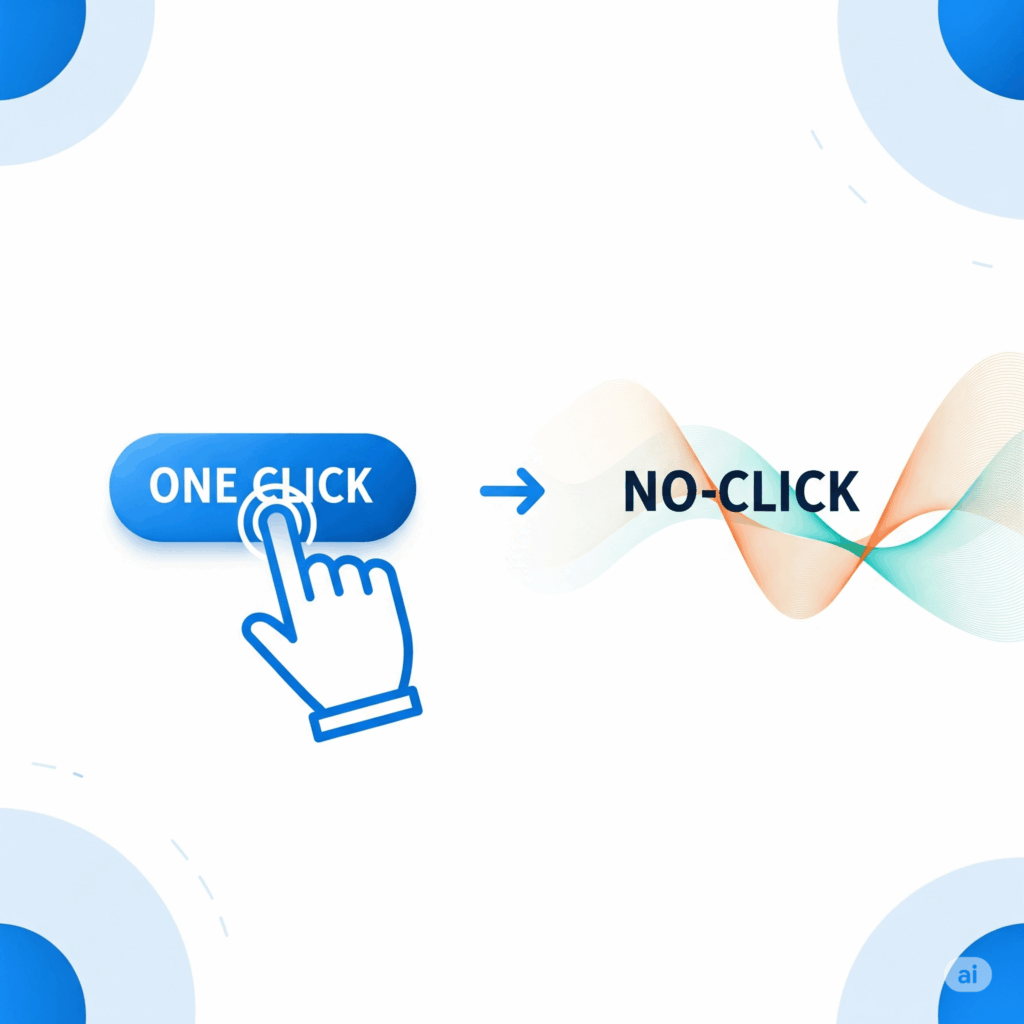
The e-commerce industry has undergone massive evolution in the past decade, with customer expectations driving most of the change. From personalized product recommendations to AI-driven support, every part of the buyer’s journey has seen improvements. Yet, one critical step still determines whether a sale is successful or abandoned: the checkout process.
A long, complicated, or confusing checkout can ruin an otherwise smooth shopping experience. In fact, research shows that nearly 70% of online shopping carts are abandoned, and one of the top reasons is friction at checkout. That’s why e-commerce giants and innovative startups alike are laser-focused on reimagining checkout—from one-click simplicity to futuristic no-click payments.
The Evolution of Checkout in E-Commerce
Initially, online shopping required customers to fill lengthy forms for billing, shipping, and payment information each time they purchased. This was tedious and often frustrating. The launch of one-click checkout by Amazon changed the landscape, allowing buyers to skip repetitive data entry and make a purchase instantly. It not only reduced cart abandonment but also set a new industry benchmark for convenience.
Since then, checkout innovation has moved rapidly. Digital wallets like PayPal, Apple Pay, and Google Pay have streamlined transactions further by securely storing payment details. Subscription models and auto-renewals reduced repeat effort for loyal customers. Now, technology is shifting toward no-click checkout—a future where purchases can be made with little or no active input from the buyer.
One-Click Payments: The Game-Changer
One-click payments marked the turning point for faster conversions. By eliminating unnecessary steps, businesses reduced friction and improved customer satisfaction. The model was so effective that Amazon’s one-click patent gave it an undeniable advantage for years, locking in customer loyalty.
The psychology behind one-click is simple: remove barriers, reduce hesitation, and close the sale before doubt creeps in. Customers who may have abandoned their carts midway were suddenly completing transactions with a single tap. Today, one-click payments have become an industry standard, adopted by retailers across sectors.
The Shift Toward No-Click Payments
The next phase in checkout evolution is no-click payments, where transactions happen almost invisibly. Instead of clicking, tapping, or entering credentials, customers experience automated payments triggered by their intent or behavior. Examples include:
- Voice-assisted shopping: Smart devices like Alexa or Google Assistant can place orders with simple voice commands.
- IoT-enabled auto-replenishment: Smart fridges that reorder groceries or connected printers that restock ink cartridges.
- Biometric authentication: Face recognition, fingerprints, or even iris scans replacing manual entry.
- Background payments: Ride-sharing apps like Uber pioneered this model—customers don’t “check out,” the payment happens seamlessly once the service ends.
No-click payments focus on invisibility and convenience—creating a buying experience so effortless that customers don’t even feel like they’re transacting.
Benefits of Seamless Checkout
Businesses and consumers both stand to gain from the future of checkout:
- Reduced Cart Abandonment – With minimal friction, fewer customers drop off before purchase completion.
- Improved Customer Loyalty – A smooth, effortless experience encourages repeat buying.
- Faster Conversions – Speed reduces second thoughts and impulse purchase hesitation.
- Better Security – Modern no-click systems rely on biometric and tokenized authentication, lowering fraud risks.
- Higher Average Order Value – By removing barriers, customers are more likely to make additional purchases.
Challenges on the Path to No-Click
While the vision of no-click payments is compelling, challenges remain:
- Privacy Concerns: Customers may feel uneasy about background payments or devices automatically charging them.
- Security Risks: Biometric data breaches or misuse of always-on assistants could erode trust.
- Adoption Barriers: Not all demographics are comfortable with advanced technology, slowing mass adoption.
- Over-Automation: If customers feel they are losing control, it could backfire, leading to mistrust.
E-commerce companies must balance convenience with control, ensuring customers feel empowered, not manipulated.
Preparing Your Store for the Future
For e-commerce brands, preparing for the future of checkout involves both technology adoption and customer education. Steps to take include:
- Offer multiple payment options: Include digital wallets, BNPL (buy now, pay later), and instant checkout features.
- Invest in security: Tokenization, encryption, and biometric verification are must-haves.
- Test automation with care: Introduce subscription models, auto-renewals, or reorder reminders gradually.
- Educate customers: Build trust by explaining how no-click transactions work and how they protect data.
- Leverage AI & personalization: Predictive algorithms can suggest products and complete transactions based on buying habits.
The Road Ahead
As e-commerce continues to grow, checkout will remain the decisive point between interest and revenue. From the early days of tedious data entry to one-click convenience and now the dawn of no-click payments, the trajectory is clear: less friction, more automation, and greater personalization.
The brands that succeed will be those that not only embrace innovation but also build trust, transparency, and security into the process. The future of e-commerce checkout is not just about speed—it’s about creating an invisible, effortless experience that strengthens customer loyalty while keeping them in control.