

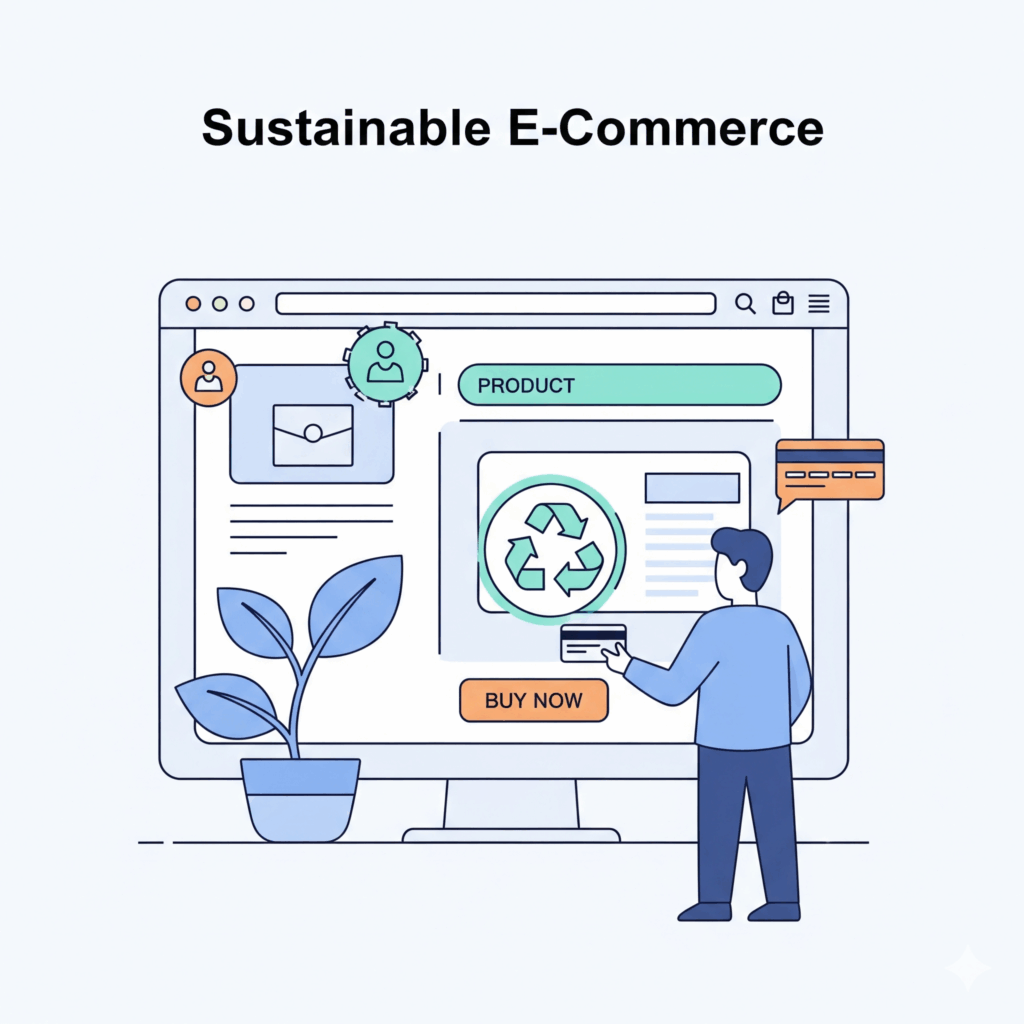
The digital marketplace is evolving, and one of the biggest shifts we’re witnessing is the rise of sustainability in e-commerce. Today’s shoppers are not just looking for convenience and variety—they want to buy from brands that align with their values. Eco-conscious consumers actively seek businesses that prioritize ethical sourcing, reduced carbon footprints, recyclable packaging, and transparent supply chains. For e-commerce brands, adopting sustainable practices is no longer a “nice-to-have”; it’s a business imperative.
Why Sustainability Matters in Online Retail
Shoppers today are far more aware of the environmental and social impact of their purchases. Reports suggest that a large percentage of consumers are willing to pay more for eco-friendly products, and they often prefer brands that clearly communicate their sustainability efforts. For e-commerce businesses, this means that going green not only helps the planet but also strengthens brand loyalty and customer trust.
Moreover, sustainability differentiates a brand in a crowded marketplace. When your online store is competing with hundreds of similar products, demonstrating eco-friendly practices can be the deciding factor that convinces a customer to choose you over others.
Eco-Conscious Consumers and Their Expectations
Eco-conscious shoppers are deliberate and informed. They don’t just look at the final product—they evaluate the entire lifecycle, from raw material sourcing to production, packaging, and delivery. They want assurance that a brand is minimizing its environmental impact and contributing to long-term change.
For example, these consumers may favor organic fabrics, cruelty-free beauty products, or goods shipped with biodegradable packaging. They are also more likely to follow brands that practice ethical labor standards and promote fair trade. If your business aligns with these values, you can position yourself as the preferred choice in this growing consumer segment.
Sustainable Practices That Drive Engagement
There are several ways e-commerce businesses can integrate sustainability into their operations to attract eco-conscious buyers:
- Eco-Friendly Packaging – Replace single-use plastics with recyclable, biodegradable, or compostable materials. Minimalist packaging also reduces waste and shipping costs.
- Green Shipping Options – Offer carbon-neutral shipping by partnering with logistics providers that offset emissions or allow customers to contribute to eco-friendly delivery methods.
- Ethical Sourcing – Be transparent about where your products come from, ensuring raw materials are responsibly sourced and suppliers meet ethical standards.
- Energy Efficiency – Highlight steps taken to reduce energy consumption in warehouses or use renewable energy in operations.
- Circular Economy Initiatives – Introduce product recycling programs or buy-back schemes where customers can return items for reuse or refurbishment.
When businesses clearly communicate these initiatives, eco-conscious shoppers take notice. Transparency builds credibility, and customers are more inclined to purchase from brands that share detailed sustainability commitments.
Leveraging Storytelling to Attract Green Shoppers
Facts alone don’t always drive customer action—stories do. Sharing the journey behind your sustainable efforts can resonate deeply with shoppers. For instance, an apparel brand can highlight how it partners with artisans using organic cotton or how switching to recycled packaging saved thousands of kilograms of plastic waste annually.
By using blogs, product descriptions, and social media to tell authentic sustainability stories, you give consumers an emotional reason to choose your products. This storytelling approach also makes your brand relatable and positions you as part of a larger movement toward positive change.
Marketing Sustainability the Right Way
While showcasing your eco-friendly initiatives is important, it’s equally critical to avoid “greenwashing.” Eco-conscious shoppers are highly discerning and quick to identify false claims. Overstating or misrepresenting sustainable practices can damage your reputation permanently.
The best way to market sustainability is through honesty and evidence. Highlight certifications such as Fair Trade, FSC, or organic labels where applicable. Share measurable results, like reduced carbon emissions or the number of trees planted through your initiatives. Transparency builds trust and ensures that your brand’s values resonate authentically with consumers.
Technology’s Role in Sustainable E-Commerce
Technology can help businesses become more sustainable and connect with eco-conscious buyers more effectively. Tools like AI-powered analytics help predict demand more accurately, reducing overproduction and waste. Inventory management systems ensure fewer unsold products end up in landfills.
Additionally, online platforms can integrate carbon calculators, allowing shoppers to see the environmental impact of their purchase and offset it if they wish. Even optimizing website performance contributes indirectly to sustainability by lowering energy usage. These small but impactful steps demonstrate a brand’s commitment to responsible practices.
Building Long-Term Loyalty Through Sustainability
One of the biggest advantages of embracing sustainability is customer loyalty. Eco-conscious shoppers are not just looking for a one-time purchase—they want to build long-term relationships with brands that reflect their values. When customers see your genuine efforts toward sustainability, they are more likely to become repeat buyers and even brand advocates.
Loyalty programs can be designed around sustainability, such as offering rewards for recycling, planting trees for every purchase, or providing discounts to customers who opt for eco-friendly shipping. These initiatives not only encourage repeat purchases but also foster a sense of community around your brand.
The Future of Sustainable E-Commerce
The shift toward sustainability in e-commerce is not a passing trend—it’s the future of online shopping. As younger generations like Gen Z, who place even greater emphasis on environmental and social responsibility, gain more purchasing power, eco-consciousness will continue to dominate consumer preferences.
For businesses, the question is no longer whether to adopt sustainable practices but how quickly they can integrate them. Brands that act now will not only meet consumer demand but also contribute to a healthier planet, setting themselves up for long-term success.
Final Thought
Sustainability in e-commerce is about more than selling eco-friendly products—it’s about building trust, transparency, and shared values with your customers. By prioritizing ethical sourcing, responsible packaging, and green shipping, brands can attract eco-conscious shoppers while making a real difference. In an increasingly value-driven marketplace, the brands that champion sustainability today will be the ones leading tomorrow.