

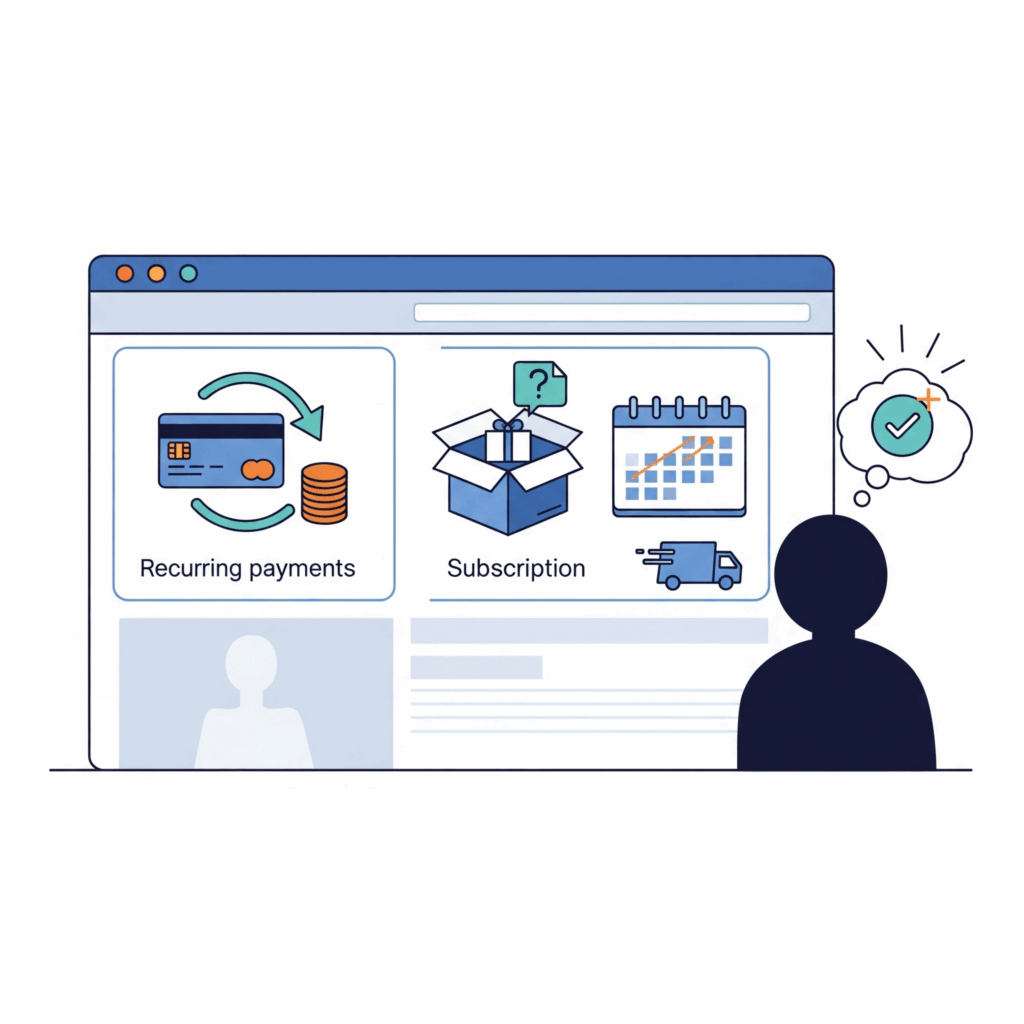
In recent years, subscription models have gained significant traction across various industries—from beauty and fashion to food and tech. This recurring revenue model is especially appealing in the e-commerce sector, offering benefits for both consumers and businesses. But is it the right fit for your online store? This blog explores the benefits, challenges, and key considerations to help you decide if a subscription-based model aligns with your e-commerce strategy.
Understanding Subscription Models in E-Commerce
A subscription model involves customers paying a recurring fee—monthly, quarterly, or annually—for regular deliveries of products or access to services. These can include curated boxes (like beauty or snack boxes), replenishment services (such as razors or vitamins), or access-based services (like premium content or member-exclusive discounts).
What makes subscription models so attractive is their ability to create long-term customer relationships and predictable revenue streams. Instead of constantly hunting for new customers, you build a loyal base that keeps returning each billing cycle.
Why Subscription Models Are So Popular
One major reason behind their popularity is consumer convenience. Subscription models save customers the hassle of repeated purchases. Instead of remembering to buy pet food every month, for example, customers receive it automatically, often at a discounted rate.
For businesses, the subscription model provides stability. Predictable income means more accurate inventory planning, cash flow forecasting, and marketing budgeting. It also fosters brand loyalty and deeper customer engagement, as subscribers interact with the brand regularly.
Benefits of Subscription Models for E-Commerce Stores
1. Predictable Revenue:
Recurring payments allow for steady cash flow, which is particularly beneficial for small businesses trying to scale. Knowing how much revenue to expect helps with better business planning.
2. Improved Customer Retention:
Subscription services often increase customer lifetime value (CLV). Rather than making a single purchase and leaving, subscribers remain engaged over longer periods, often leading to higher overall spending.
3. Personalized Experiences:
With regular engagement, you can collect data on customer preferences and behavior. This allows you to tailor products and offers, enhancing the user experience and fostering stronger loyalty.
4. Easier Upselling and Cross-Selling:
Subscribers are more receptive to trying new products or services from a brand they already trust. This makes upselling and cross-selling opportunities more effective and less intrusive.
Challenges to Consider Before Implementing
Despite the benefits, subscription models are not a one-size-fits-all solution. There are a few challenges you must be ready to address:
1. High Churn Rates:
Keeping subscribers engaged over the long term is difficult. Customers may cancel due to a lack of perceived value, financial constraints, or delivery issues. Maintaining relevance is critical.
2. Operational Complexities:
Managing recurring deliveries, inventory levels, and payments adds layers of complexity to your operations. You need robust systems in place to handle logistics smoothly.
3. Customer Fatigue:
While novelty keeps subscribers excited initially, interest can wane over time. Without innovation or variety, customers may lose enthusiasm and cancel their plans.
4. Competitive Market:
The market is saturated with subscription services. To stand out, your offering must be unique, compelling, and well-marketed.
Types of E-Commerce Subscription Models
1. Replenishment Subscriptions:
Best for products with consistent, ongoing usage—like toiletries, pet food, or health supplements. Customers appreciate the convenience and usually stick around for a longer time.
2. Curation Subscriptions:
Popular in fashion, beauty, and food industries, this model offers a personalized or surprise selection of products. While it has higher churn risks, the excitement factor can be a big draw.
3. Access Subscriptions:
This model offers special member-only deals, content, or early product access. It works well for brands with loyal communities or premium offerings.
Is a Subscription Model Right for Your Store?
Before you jump in, ask yourself the following:
- Does your product lend itself to regular use or excitement-based discovery?
- Can you offer unique value or experiences on a recurring basis?
- Do you have systems in place for logistics, customer service, and payment automation?
- Are you ready to invest in content, product development, and marketing to keep the subscription fresh and engaging?
If you can confidently answer these questions, a subscription model might be a powerful addition to your e-commerce strategy.
How to Get Started
- Start Small:
Begin with a pilot program targeting a niche audience. Use customer feedback to refine your offering.
- Choose the Right Platform:
Select an e-commerce platform or plugins that support subscription management, billing cycles, and customer segmentation.
- Focus on Customer Experience:
Onboarding, communication, and ease of cancellation or pausing must be seamless. A good experience builds trust and reduces churn.
- Measure and Improve:
Track key metrics like churn rate, customer lifetime value, average order value, and engagement to fine-tune your model.
Conclusion
The subscription model is more than just a trend—it’s a transformative approach to building long-term customer relationships and stable revenue streams. But it’s not a guaranteed success for every e-commerce business. With thoughtful planning, consistent value delivery, and a customer-first approach, you can decide whether this model is the right step forward for your online store.
If your brand is ready for the commitment and opportunity that comes with a subscription offering, this could be the key to sustainable growth in a competitive e-commerce landscape.