


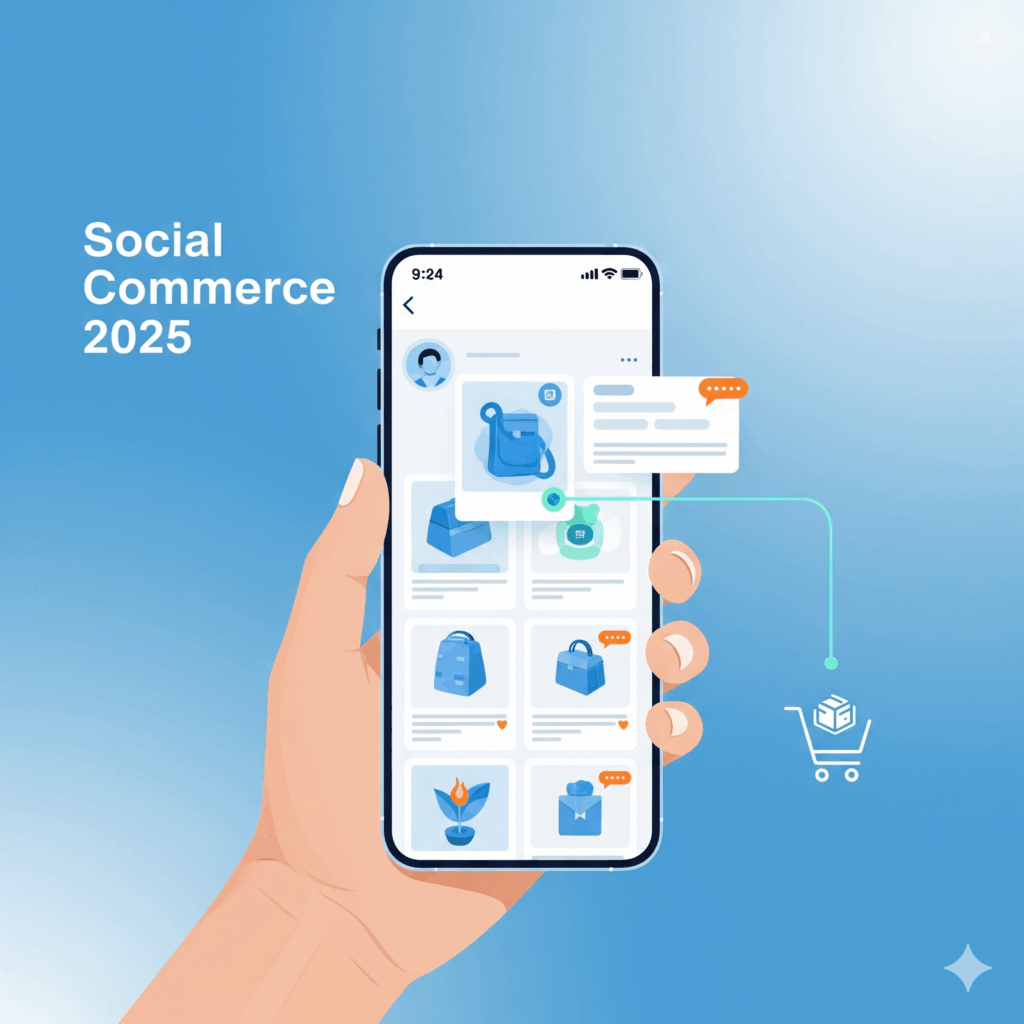
The way people shop online is evolving rapidly, and social commerce is at the heart of this transformation. Social commerce refers to buying and selling products directly through social media platforms like Instagram, Facebook, TikTok, and Pinterest. Instead of simply being channels for marketing, these platforms are now integrated storefronts where followers can seamlessly browse, purchase, and engage without leaving the app. As we look ahead to 2025, the boundaries between social interaction and e-commerce will blur even further, making social commerce one of the most powerful drivers of customer loyalty and revenue growth.
The Rise of Social Commerce
Social media has always influenced consumer behavior. Friends sharing product recommendations, influencers showcasing their favorite brands, and ads popping up in feeds all play a role in shaping purchase decisions. But with the rise of built-in shopping features—such as Instagram Shops, Facebook Marketplace, TikTok Shop, and Pinterest’s “Shop the Look”—consumers can now act on those impulses instantly.
By 2025, social commerce sales are projected to surpass trillions globally, with younger generations leading the charge. Gen Z and Millennials, in particular, prefer discovering and purchasing products directly on the platforms where they spend the most time. For businesses, this shift represents an unprecedented opportunity to meet customers where they are and shorten the path from discovery to purchase.
Why Social Commerce Builds Loyalty
At its core, social commerce is not just about convenience—it’s about connection. Unlike traditional e-commerce, where shoppers interact primarily with a website, social commerce places the brand in a social setting. Customers can comment, share, tag friends, and engage with brands in real time. This interactivity makes the shopping experience feel more personal and community-driven.
Loyalty thrives when customers feel understood and valued. Social platforms provide businesses with rich insights into customer behavior, preferences, and interests. By leveraging this data, brands can offer personalized recommendations, exclusive discounts for followers, and curated shopping experiences that feel tailor-made. The result is a sense of belonging that keeps buyers coming back.
Influencers: The New Storefronts
In the social commerce landscape, influencers are becoming digital storefronts. Their ability to build trust and connect authentically with followers makes them invaluable partners for brands. Instead of browsing endless product listings, customers are more likely to purchase something recommended by a creator they already admire and trust.
Micro-influencers, in particular, are playing a pivotal role. While they may have smaller audiences, their engagement rates are often higher, and their recommendations come across as more genuine. In 2025, businesses that collaborate with the right influencers will be able to tap into loyal communities and drive repeat purchases with ease.
Features Driving Social Commerce in 2025
Several innovations are redefining the way customers shop socially:
- Shoppable Videos and Livestreaming – Real-time product demonstrations and live Q&A sessions make the buying process interactive and fun, similar to traditional in-store experiences.
- AI-Powered Recommendations – Algorithms analyze behavior to suggest products customers are most likely to purchase.
- One-Click Checkout – Seamless payment options keep the shopping flow frictionless.
- Augmented Reality (AR) Try-Ons – Customers can “try before they buy” virtually, increasing confidence in purchases.
These features not only make shopping easier but also help reduce cart abandonment rates and build stronger trust in the buying process.
Converting Followers into Loyal Customers
Having followers is valuable, but turning them into loyal, paying customers requires strategy. Here are some effective approaches:
- Offer Exclusive Deals for Followers – Limited-time discounts, early product launches, or loyalty rewards create a sense of exclusivity.
- Engage Consistently – Replying to comments, hosting live sessions, and encouraging user-generated content builds authentic relationships.
- Storytelling Through Content – Sharing behind-the-scenes stories or customer testimonials makes the brand feel human and relatable.
- Seamless Customer Support – Providing fast, reliable help directly through social platforms boosts satisfaction and encourages repeat purchases.
The brands that succeed will treat their social media not just as marketing platforms but as complete shopping ecosystems designed to nurture long-term loyalty.
Challenges Ahead
While the opportunities are massive, businesses must also prepare for challenges. Data privacy concerns, platform dependency, and the need for authentic engagement are critical considerations. Customers today are more cautious about where they share personal information, and brands must be transparent about how data is collected and used. Additionally, relying solely on one social platform is risky—changes in algorithms or policies could disrupt sales. A balanced approach that integrates social commerce with owned channels like websites and email lists is essential.
Looking Ahead: Social Commerce as the Norm
By 2025, social commerce won’t be an add-on strategy—it will be the norm. Shoppers will expect their favorite platforms to double as storefronts, influencers will act as trusted salespeople, and loyalty will hinge on how well brands can create seamless, engaging, and personalized experiences.
The future belongs to brands that can transform their followers into communities and their communities into loyal customers. Social commerce is not just about selling—it’s about building trust, fostering relationships, and creating shopping experiences that feel social, enjoyable, and uniquely tailored to each customer.
Final Thought:
In the era of social commerce, followers are more than just numbers—they are potential lifelong customers. The key is to combine convenience with authenticity, ensuring that every interaction brings value and strengthens the bond between brand and buyer.