


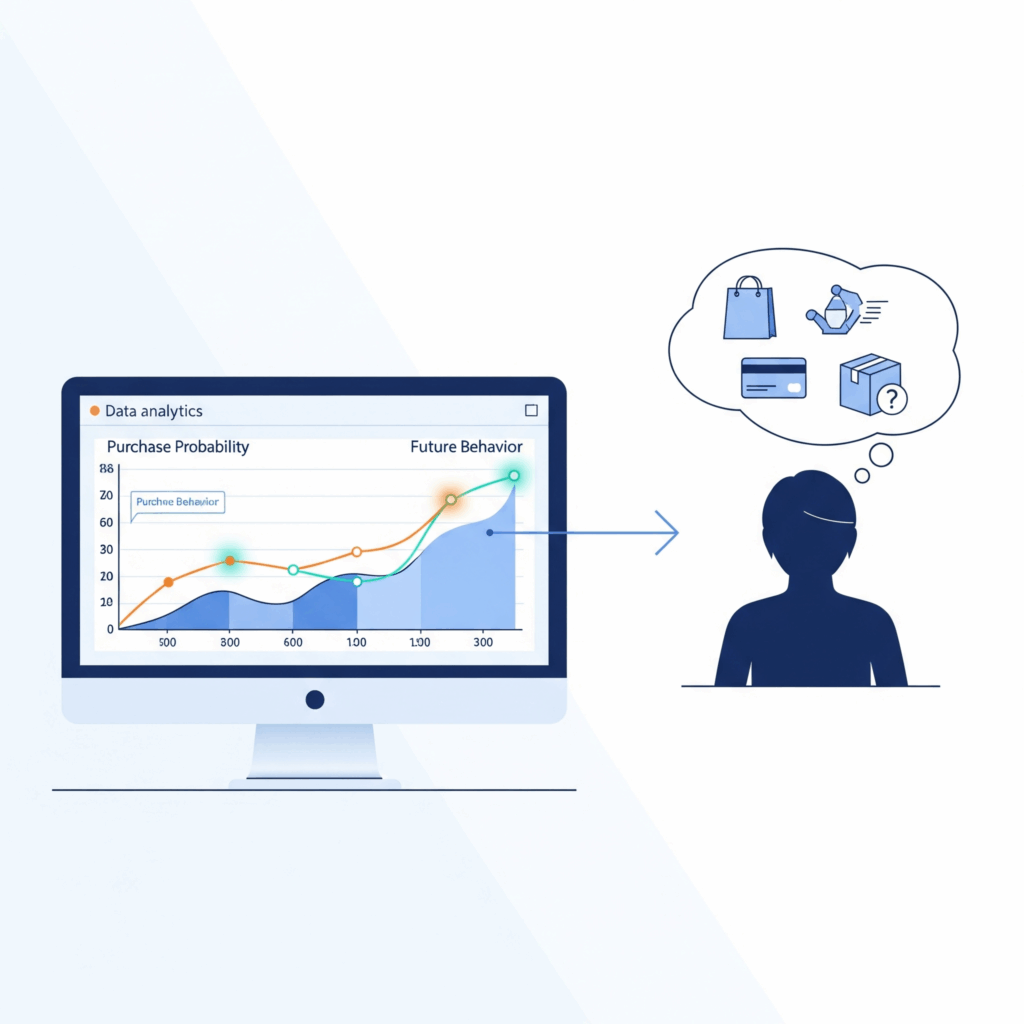
In today’s competitive e-commerce landscape, understanding your customers isn’t just an advantage—it’s a necessity. With thousands of online stores competing for attention, businesses that can predict customer buying behavior gain a significant edge. This is where data analytics comes into play. By analyzing customer interactions, purchase history, browsing patterns, and even social media activity, e-commerce brands can forecast what shoppers are likely to buy, when they’ll buy it, and why. Predictive insights like these not only boost sales but also build customer loyalty by delivering highly personalized experiences.
Why Predicting Buying Behavior Matters
Modern customers expect brands to anticipate their needs. Whether it’s product recommendations, discounts, or reminders, personalization makes shoppers feel understood and valued. According to industry reports, businesses that use predictive analytics achieve higher conversion rates and better customer retention compared to those that rely on guesswork.
Predicting buying behavior also helps e-commerce businesses optimize inventory management, marketing campaigns, and pricing strategies. Instead of wasting resources on broad campaigns, data-driven insights allow brands to target the right customer at the right time with the right offer.
Collecting the Right Data
The foundation of predicting customer behavior lies in collecting accurate and relevant data. For e-commerce businesses, this often includes:
- Purchase History – Past transactions reveal buying frequency, favorite products, and seasonal preferences.
- Browsing Behavior – Pages visited, time spent, abandoned carts, and product views show what interests customers.
- Demographic Data – Age, location, gender, and income levels influence purchase decisions.
- Customer Feedback – Reviews, ratings, and survey responses provide insights into satisfaction and expectations.
- External Data Sources – Social media engagement, search trends, and industry reports can add context to customer behavior.
The key is not just collecting data but ensuring it is clean, organized, and secure. Poor-quality data leads to inaccurate predictions, while well-managed data sets form the basis for reliable insights.
Using Predictive Analytics Tools
Once the data is collected, businesses can use predictive analytics tools to interpret patterns. These tools rely on machine learning algorithms and statistical models to analyze historical data and make forecasts. Some of the most common applications in e-commerce include:
- Product Recommendations – Suggesting items based on past purchases and browsing behavior (e.g., Amazon’s “Frequently Bought Together”).
- Churn Prediction – Identifying customers at risk of leaving and offering incentives to re-engage them.
- Demand Forecasting – Anticipating which products will be popular in the coming weeks or seasons.
- Dynamic Pricing – Adjusting prices based on demand, competition, and customer willingness to pay.
Many e-commerce platforms now integrate AI-driven analytics solutions, making it easier for businesses of all sizes to leverage predictive models without needing in-house data science teams.
Understanding Customer Journeys
One of the most powerful uses of data analytics is mapping the customer journey. Shoppers rarely purchase on their first visit; instead, they go through multiple touchpoints—researching, comparing, and revisiting products before buying. Analytics tools can track these touchpoints, identifying patterns that reveal when and how customers are most likely to purchase.
For example, if data shows that customers often buy after three visits, businesses can design retargeting campaigns to nudge them during that stage. Similarly, if customers abandon carts at checkout, analyzing friction points like shipping costs or payment options can improve conversions.
Leveraging Real-Time Data
Predicting buying behavior isn’t limited to past data—it also involves real-time insights. For instance, tracking live website activity can reveal sudden spikes in interest for certain products, allowing businesses to adjust promotions instantly. Social media mentions and trending hashtags can also signal demand before it peaks, giving brands a chance to act proactively.
Real-time analytics also enhances customer experiences. Personalized pop-ups, chatbots offering product advice, or time-sensitive discounts based on browsing patterns make customers feel valued and increase the likelihood of immediate purchases.
Building Personalized Marketing Campaigns
Once businesses understand customer behavior, they can build personalized campaigns that drive sales. Examples include:
- Email Marketing – Sending tailored product recommendations, birthday discounts, or replenishment reminders.
- Targeted Ads – Showing ads based on browsing history and purchase intent.
- Loyalty Programs – Offering rewards for repeat purchases or referrals to strengthen customer relationships.
The more precise the personalization, the stronger the impact. Predictive analytics ensures these campaigns are not based on assumptions but on actual customer preferences and patterns.
Challenges in Predictive Analytics
While data analytics offers tremendous opportunities, it also comes with challenges. Privacy concerns are at the forefront, with customers increasingly cautious about how their data is collected and used. Businesses must be transparent about data usage and comply with regulations like GDPR.
Another challenge is over-reliance on algorithms. While predictive models are powerful, they are not infallible. External factors such as market shifts, economic conditions, or sudden trends can disrupt patterns. The best approach is to combine analytics with human judgment and flexibility.
The Future of Predictive E-Commerce
Looking ahead, the role of predictive analytics in e-commerce will only expand. With advancements in artificial intelligence, businesses will be able to forecast buying behavior with even greater accuracy. Hyper-personalization, voice commerce, and predictive chatbots will create seamless shopping experiences that anticipate customer needs before they’re even expressed.
For small businesses, affordable cloud-based tools will make predictive analytics more accessible, leveling the playing field with larger competitors. As e-commerce becomes increasingly data-driven, those who embrace predictive insights will stay ahead of the curve, while others risk falling behind.
Final Thought:
Data analytics is more than a tool—it’s the future of customer understanding. By predicting buying behavior, e-commerce businesses can create personalized experiences, optimize operations, and turn casual browsers into loyal customers. In the digital marketplace, the brands that know their customers best will always win.