


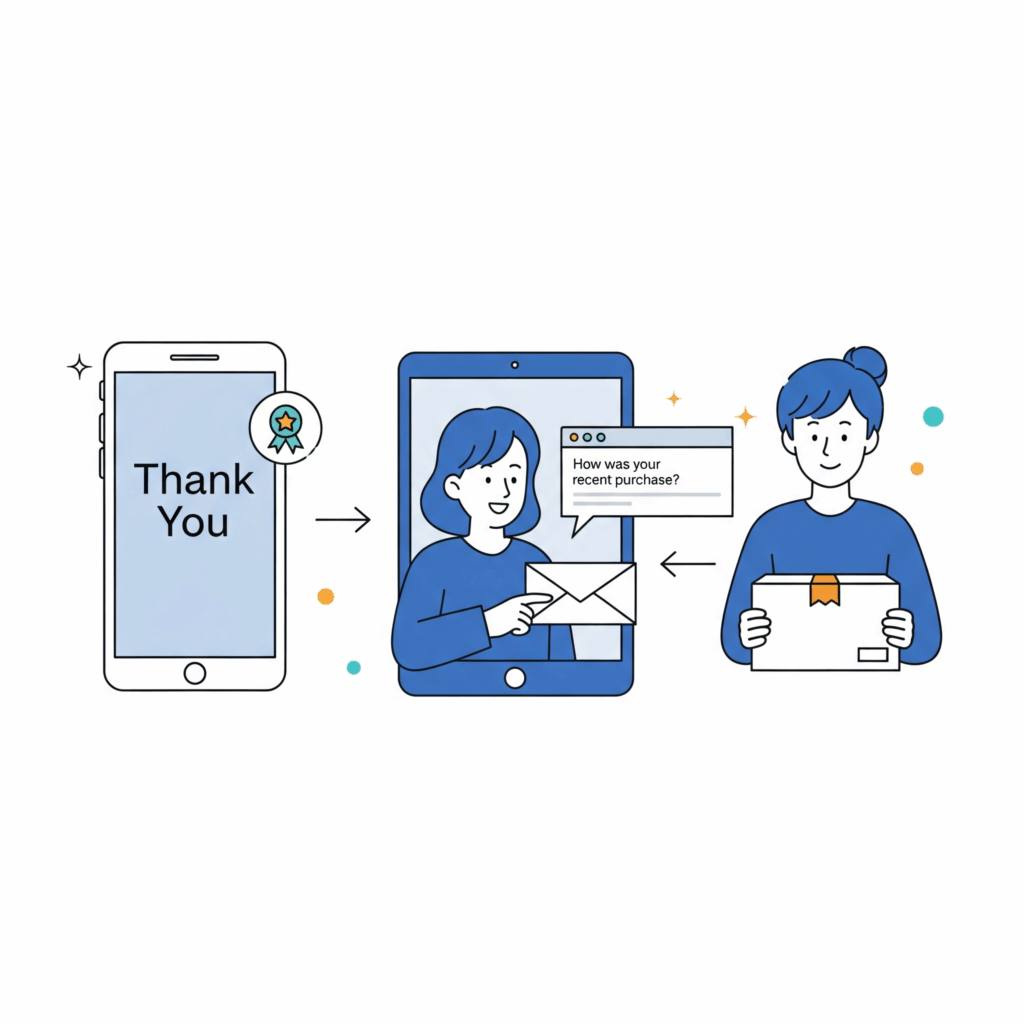
In today’s competitive market, attracting a new customer often costs significantly more than keeping an existing one. Businesses that focus only on the initial sale risk losing valuable opportunities for repeat business and brand loyalty. Post-purchase engagement—the interaction a company maintains with customers after they’ve made a purchase—is a powerful way to build trust, deepen relationships, and increase lifetime value. By creating meaningful connections after the sale, brands can turn one-time buyers into loyal advocates.
Why Post-Purchase Engagement Matters
Customer retention is not just about offering good products; it’s about ensuring customers feel valued and understood. A well-designed post-purchase experience shows customers that the business cares beyond the transaction. This fosters trust, encourages positive word-of-mouth, and improves customer lifetime value (CLV).
Studies have shown that existing customers are more likely to purchase again and spend more than new customers. Furthermore, a satisfied customer often becomes a brand ambassador, influencing friends, family, and online networks. Post-purchase engagement bridges the gap between a one-time sale and a long-term relationship.
Personalized Follow-Ups
Personalized communication is a cornerstone of post-purchase engagement. Sending a tailored thank-you message, offering relevant product recommendations, or checking in to ensure satisfaction can make customers feel valued. Email and SMS are effective channels, especially when messages are timely and relevant.
For instance, if a customer buys a skincare product, sending them tips on how to use it or suggesting complementary items creates value beyond the purchase. This approach not only encourages repeat buying but also strengthens the brand’s position as a helpful partner rather than just a seller.
Onboarding and Product Education
When customers receive guidance on how to use a product effectively, they’re more likely to be satisfied with their purchase. Post-purchase engagement can include detailed onboarding emails, instructional videos, or user guides. This is particularly important for products that require setup or have multiple features.
Educated customers are less likely to return products and more likely to see their value. For example, a tech company might send step-by-step tutorials to help new users get the most out of their device. This reduces frustration, increases confidence, and fosters a positive brand impression.
Loyalty Programs and Rewards
Rewarding customers for repeat purchases can be a strong retention strategy. A well-structured loyalty program encourages customers to return by offering points, discounts, or exclusive access to products. However, loyalty programs work best when they’re easy to join, simple to understand, and offer meaningful benefits.
Integrating loyalty perks into the post-purchase communication keeps the relationship active. For example, following a purchase, a customer might receive a message highlighting how many points they’ve earned and what rewards are within reach. This gamifies the shopping experience and motivates future engagement.
Asking for Feedback and Acting on It
Feedback collection is another valuable post-purchase engagement tactic. It shows that the brand cares about customer opinions and is willing to make improvements. Surveys, review requests, and follow-up calls are effective ways to gather insights.
However, the true impact comes from acting on feedback. When customers see that their suggestions lead to changes—whether it’s improved packaging, faster delivery, or enhanced product features—they feel a stronger connection to the brand. This transparency fosters trust and long-term loyalty.
Exclusive Content and Community Building
Post-purchase engagement isn’t limited to direct product interactions. Offering exclusive content—such as tips, behind-the-scenes updates, or early access to new launches—keeps customers interested even when they’re not actively shopping.
Some brands take this further by creating customer communities, whether through social media groups, forums, or live events. These spaces allow customers to share experiences, seek advice, and feel part of something bigger. A strong brand community often becomes a self-sustaining source of advocacy and retention.
Proactive Customer Support
Good customer service shouldn’t end at checkout. Proactive support—such as checking in to ensure orders arrived safely or reminding customers about warranty benefits—can prevent issues before they escalate. This approach demonstrates reliability and care.
Providing multiple support channels, including chat, email, and phone, ensures that customers can reach the business easily if they have questions or concerns. Quick, empathetic responses can turn potential dissatisfaction into positive experiences.
Consistency Across Touchpoints
One of the most overlooked aspects of post-purchase engagement is consistency. The tone, quality, and responsiveness customers experience after purchase should match what they saw during the sales process. Consistency builds familiarity and reinforces trust.
Whether a customer interacts with marketing emails, support staff, or the company’s social media, the message should be aligned and the service level equally high. This uniform experience assures customers that they can rely on the brand at every stage of the relationship.
Final Thoughts
Retaining customers through post-purchase engagement requires thoughtful planning and genuine care. Businesses that prioritize personalized follow-ups, education, rewards, feedback, exclusive content, proactive support, and consistent service can transform buyers into loyal advocates.
In an era where competition is fierce and consumer expectations are high, post-purchase engagement isn’t just an optional extra—it’s a strategic necessity. By going beyond the transaction, brands can create lasting relationships that drive sustainable growth.