


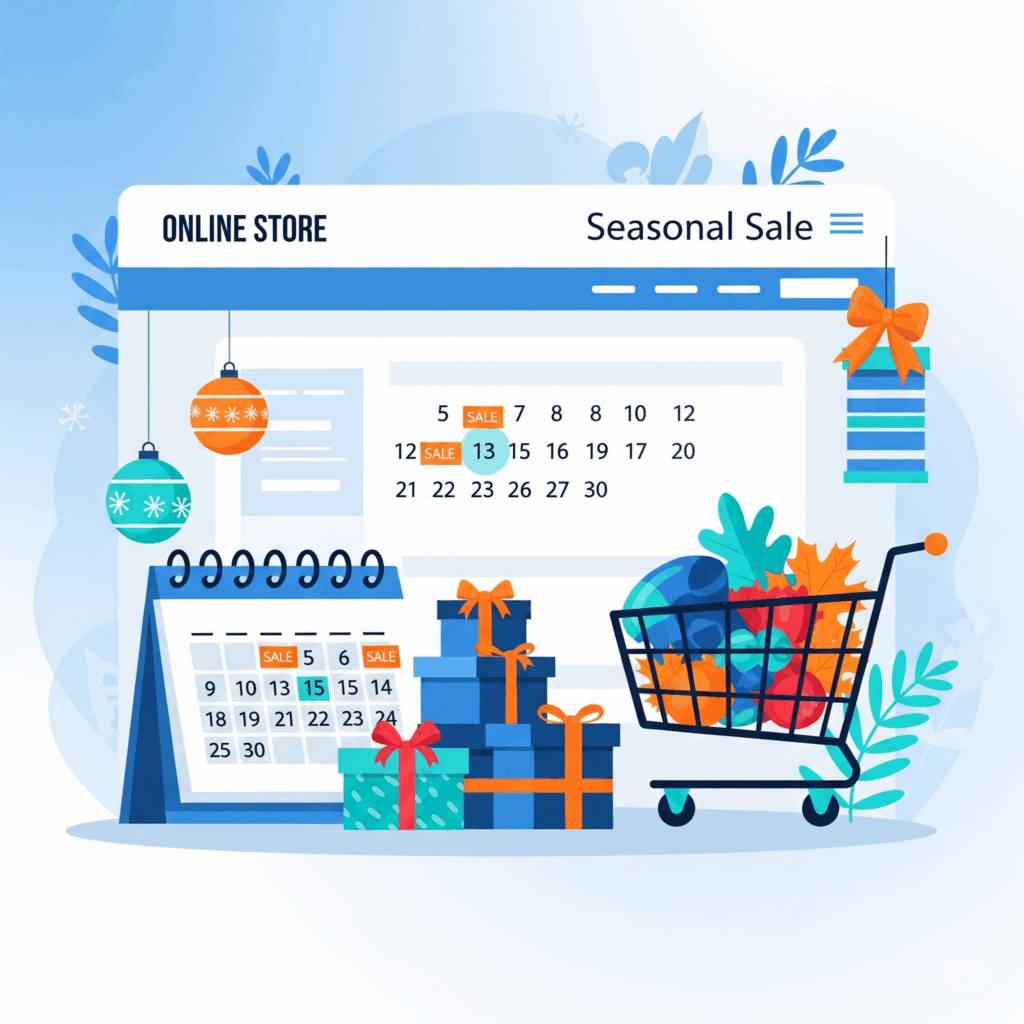
Seasonal sales present a golden opportunity for e-commerce businesses to significantly boost revenue, attract new customers, and create lasting brand loyalty. Whether it’s Diwali, Christmas, Black Friday, or New Year’s, customers are already in the buying mood — all you need to do is prepare your online store to meet their expectations and stand out from the competition. Let’s explore key steps and strategies to make your store seasonal-sale-ready and maximize profits.
1. Plan Ahead and Set Clear Objectives
The success of your seasonal sales campaign lies in thorough planning. Don’t wait until the last minute to start preparing your store. Begin at least 6-8 weeks in advance.
Set specific goals for the sales period — for example, you may want to increase traffic by 30%, double your conversion rate, or clear old inventory. Your objectives will guide every part of your campaign, from product selection to marketing channels.
Also, research seasonal trends and consumer behavior from previous years. Use this data to decide what products to promote, which offers to create, and how to price them competitively.
2. Optimize Your Website for High Traffic
When a sale goes live, your website will likely experience a surge in traffic. If it’s slow, unresponsive, or crashes, customers will abandon carts and head to competitors. Make sure your site is technically sound and optimized for performance.
Conduct a full website audit to check loading speed, mobile responsiveness, broken links, and user experience. A clean and efficient layout helps customers navigate quickly and buy with ease. Ensure your server can handle high traffic volume, and consider using a CDN (Content Delivery Network) to enhance speed.
3. Create Eye-Catching Promotions and Landing Pages
Your promotions need to be compelling and clearly communicated. Use bold, attractive banners across your homepage and product categories to advertise discounts, limited-time offers, and bundled deals.
Create dedicated landing pages for your seasonal campaigns that highlight bestsellers, offer filters for easy navigation, and use urgency tactics like countdown timers or “only X left in stock” messages. These visual and strategic cues can dramatically improve conversions.
4. Stock Up and Organize Inventory
Inventory management is crucial for seasonal sales. Analyze your sales data to predict demand and stock up on high-performing products. Coordinate with your suppliers early to ensure timely restocking.
Clearly label products that are limited in quantity or likely to sell fast. Also, identify slow-moving stock and bundle them with popular items to clear inventory while increasing perceived value.
Organize your warehouse and logistics operations to process orders efficiently and avoid shipment delays.
5. Upgrade Your Checkout Process
A long or confusing checkout process can kill conversions. Streamline it by minimizing the number of steps, offering guest checkout, and supporting multiple payment methods (credit/debit cards, wallets, UPI, etc.).
Be transparent about delivery timelines, return policies, and any additional charges. Customers want clarity and convenience, especially during high-stress shopping seasons. Consider integrating express shipping options or holiday gift-wrapping services to add value.
6. Launch a Multi-Channel Marketing Campaign
A powerful seasonal sale demands visibility. Use every relevant channel to promote your campaign:
- Email Marketing: Send teasers, early access invites, and personalized offers to your subscriber list.
- Social Media: Use engaging visuals, videos, and countdowns to build hype. Encourage user-generated content like unboxings or reviews.
- Paid Ads: Run targeted Google Ads and Facebook/Instagram campaigns with keywords focused on seasonal searches.
- SEO Blog Content: Publish holiday gift guides, product comparison posts, or shopping tips to boost organic traffic.
The goal is to be everywhere your customers are — and nudge them towards your store.
7. Provide Responsive Customer Support
High sales volumes often come with more customer queries. Prepare your support team to handle this spike in inquiries. Train them on promotions, shipping policies, and how to handle complaints or refunds quickly.
Integrate a chatbot on your website to address FAQs 24/7. Make sure your contact details and help sections are easily accessible, and respond promptly on social media to maintain brand trust and customer satisfaction.
8. Test and Track Everything
Before going live, test every part of your campaign — from promo codes and checkout flows to email automation and mobile usability. A single broken link or failed payment gateway can hurt your sales and reputation.
During the campaign, monitor your KPIs in real-time: conversion rate, bounce rate, cart abandonment, most viewed products, etc. Use analytics tools like Google Analytics or Shopify’s dashboard to understand customer behavior and make quick adjustments as needed.
9. Post-Sale Follow-Up
Your job doesn’t end when the sale does. Use post-sale communication to turn one-time buyers into repeat customers.
Send thank-you emails, request reviews, or offer exclusive “next purchase” coupons. Ask for feedback to improve your future campaigns and build trust.
You can also segment buyers based on their behavior during the sale to retarget them later with relevant offers and personalized content.
Conclusion
Seasonal sales are more than just discount events — they are powerful opportunities to connect with customers, build brand loyalty, and grow revenue. By planning early, optimizing your store experience, promoting smartly, and offering exceptional customer service, you can create a seamless and profitable sales campaign that keeps shoppers coming back every year.
Start preparing now and make your next seasonal sale your biggest success yet!