

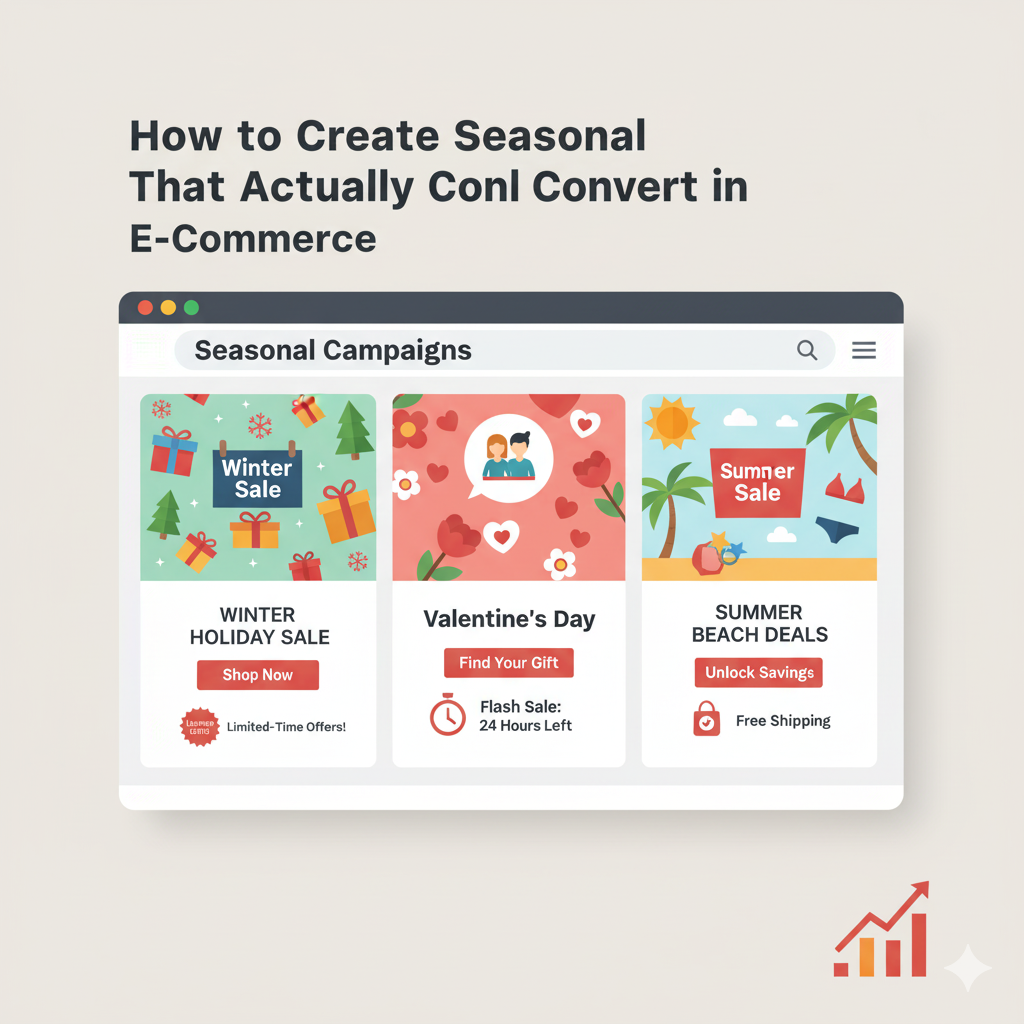
Seasonal campaigns are one of the most effective ways for e-commerce businesses to drive sales, engage customers, and strengthen brand loyalty. Whether it’s the festive spirit of Christmas, the excitement of Black Friday, or the cultural celebrations of Diwali, seasonal shopping moments present golden opportunities to capture customer attention. However, creating a campaign that truly converts goes beyond simply adding discounts or holiday-themed graphics. It requires strategy, timing, creativity, and personalization.
In this blog, we’ll explore how you can design seasonal campaigns that don’t just look good but actually boost conversions and build long-term relationships with your customers.
1. Understand the Seasonal Buyer Mindset
Shoppers behave differently during seasonal events. Many are on the lookout for gifts, deals, or products that align with festive vibes. Unlike regular shopping, their decisions are influenced by urgency (limited-time sales), emotions (holiday spirit), and traditions (cultural relevance).
To convert these shoppers, you must align your campaigns with their expectations. For example, during Valentine’s Day, customers may look for personalized or romantic gifts, while during Black Friday, they may seek the best deals on tech and lifestyle products. Mapping buyer intent to seasonal campaigns ensures that your offers feel timely, relevant, and irresistible.
2. Plan Campaigns Ahead of Time
The most successful seasonal campaigns are not last-minute. Planning early allows you to analyze past performance, identify trends, and craft offers that resonate. It also gives you time to fine-tune your inventory, update product descriptions, and prepare your logistics for higher demand.
For instance, global shopping events like Cyber Monday require preparations months in advance, as the competition is fierce and customer expectations are high. By preparing early, you also have enough time to test landing pages, optimize ad copy, and create targeted email campaigns. This foresight reduces last-minute errors and helps you launch smoothly when the season arrives.
3. Create Seasonal Landing Pages
Generic product pages won’t cut it when customers are in the festive shopping mode. Instead, design dedicated seasonal landing pages that highlight your offers, showcase themed collections, and guide buyers to make quick decisions.
A seasonal landing page should feature:
- Limited-time offers with clear deadlines.
- Seasonal product bundles or gift guides.
- Engaging visuals aligned with the holiday theme.
- Strong CTAs like “Shop Holiday Deals” or “Grab It Before Midnight.”
These pages not only enhance the shopping experience but also improve your ad conversions since visitors land directly on curated offers.
4. Personalize Your Campaigns
Personalization is the secret ingredient to higher conversion rates. Customers expect recommendations and offers that feel tailored to their needs. Use customer data such as browsing history, past purchases, and demographics to craft personalized product suggestions or discount codes.
For example, if a customer previously bought fitness products, you could send them an email during New Year promotions highlighting “Fitness Essentials for Your Resolutions.” Similarly, during Christmas, you can offer curated bundles based on popular gift categories. Personalized campaigns show customers that you understand their needs, increasing the chances of repeat purchases.
5. Use Emotional Storytelling
Seasons are not just about sales—they’re about emotions. The holidays remind people of family, love, and togetherness, while back-to-school season evokes excitement and preparation. Tap into these emotions through storytelling in your campaigns.
Instead of just advertising a discount, tell a story about how your products fit into the seasonal narrative. For example, a candle brand can create a campaign around “Lighting Up Your Diwali Evenings” or a clothing store can showcase “Outfits for Every Holiday Moment.” Story-driven campaigns resonate more deeply, making your brand memorable.
6. Leverage Multi-Channel Marketing
Your seasonal campaign won’t be effective if it lives only on your website. Customers interact with multiple platforms daily, so it’s essential to spread your message across all channels—email, social media, SMS, paid ads, and even WhatsApp.
Social media, in particular, plays a huge role in seasonal shopping decisions. Use engaging formats like Instagram Reels, TikTok challenges, or Pinterest boards to showcase seasonal collections. At the same time, use email campaigns to share exclusive deals with loyal customers. A coordinated, multi-channel approach ensures that your message reaches customers wherever they are.
7. Add Urgency and Scarcity
One of the main drivers of seasonal sales is urgency. Shoppers know that offers are time-sensitive, and this triggers FOMO (Fear of Missing Out). To capitalize on this, add urgency to your campaigns using countdown timers, limited stock alerts, and exclusive “early bird” deals.
For instance, a banner with “Sale Ends in 12 Hours” or “Only 5 Left in Stock” nudges customers to act quickly. This psychological trigger can significantly increase conversion rates during seasonal campaigns.
8. Measure and Optimize
Finally, every campaign should end with analysis. Review key performance metrics such as click-through rates, conversion rates, and average order value. Identify what worked—whether it was a specific product bundle, a discount strategy, or an ad creative—and what didn’t.
These insights allow you to refine your strategy for future campaigns. Over time, you’ll develop a playbook of best practices tailored to your customers’ behavior during different seasons.
Conclusion
Seasonal campaigns are more than short bursts of sales—they’re opportunities to connect with customers on an emotional level while driving conversions. By understanding buyer psychology, planning ahead, creating personalized and engaging content, and leveraging urgency, you can craft seasonal campaigns that not only generate immediate revenue but also foster long-term loyalty.
In the fast-evolving e-commerce world, customers have endless options. What makes your seasonal campaign stand out is how well it resonates with their needs, emotions, and shopping habits. Done right, every seasonal moment becomes a chance to transform one-time buyers into lifelong customers.