


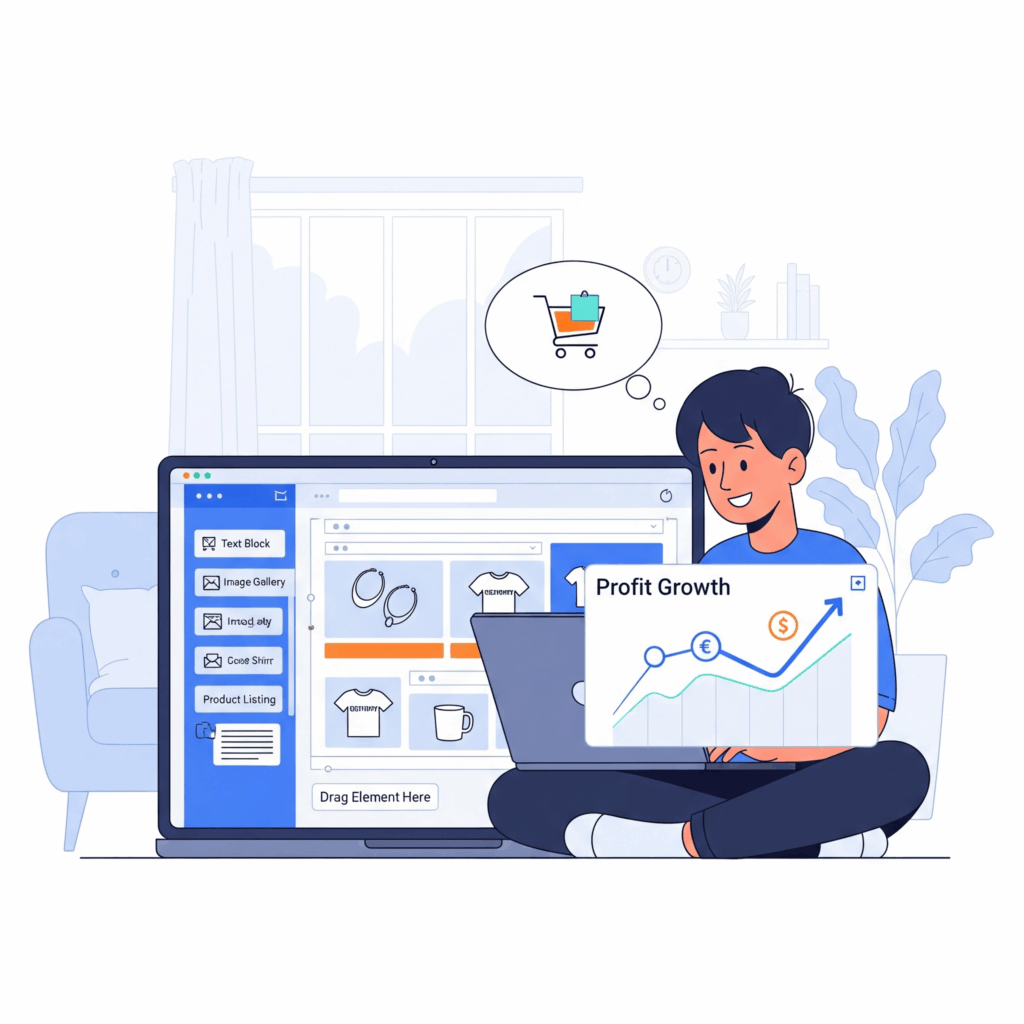
In the past, launching an online store often meant hiring developers, learning coding languages, and managing complex infrastructure. Today, things are very different. Thanks to user-friendly e-commerce platforms, drag-and-drop website builders, and integrated payment systems, you can start and grow a profitable online store without writing a single line of code. All it takes is a solid plan, the right tools, and consistent execution.
This guide will walk you through the step-by-step process of creating a successful e-commerce business — even if you have no technical background.
1. Start with a Clear Business Idea
Every successful online store begins with a great idea. You need to decide what products you want to sell and to whom.
Start by identifying a niche. This could be based on your passion, a market gap you’ve noticed, or a growing trend. Selling to a targeted audience will make your marketing more effective and help you stand out in a crowded market.
For example, instead of selling “clothing” broadly, focus on “sustainable activewear for women” or “eco-friendly baby products.” The more specific you are, the easier it will be to attract loyal customers.
2. Choose the Right E-Commerce Platform
One of the best parts of building an online store today is that you don’t need to learn how to code. Platforms like Shopify, Wix, Squarespace, and WooCommerce allow you to create a professional store using simple drag-and-drop editors.
When choosing your platform, look for:
- Ease of use (no coding required)
- Built-in payment gateways (PayPal, Stripe, credit cards)
- Mobile-responsive templates
- Inventory and order management tools
- Integration with marketing tools like email automation and social media
Shopify, for example, offers pre-designed themes, secure checkout, and powerful add-ons, making it ideal for beginners who want to get started quickly.
3. Design Your Store for Conversions
Your store’s design plays a big role in whether visitors decide to buy from you. Thankfully, you can create a beautiful and functional design without hiring a designer.
Here’s how:
- Use a clean, professional template from your e-commerce platform.
- Keep navigation simple — make it easy for visitors to find products.
- Use high-quality product images taken from multiple angles.
- Write clear, benefit-driven product descriptions.
- Display trust badges and secure payment icons at checkout.
Think of your online store as a virtual showroom. Every detail should help your visitors trust you and encourage them to click “Add to Cart.”
4. Set Up Payments and Shipping
Most e-commerce platforms come with built-in payment processing, so you don’t need to set up a separate merchant account. Just connect your preferred payment methods — credit/debit cards, PayPal, or even digital wallets like Apple Pay and Google Pay.
For shipping, decide whether you’ll handle it yourself, work with a fulfillment center, or use dropshipping suppliers. Offering clear shipping timelines and transparent costs at checkout helps build trust and reduce cart abandonment.
5. Add Essential Store Pages
Beyond your product listings, your store should have key pages that boost credibility and guide customers:
- About Us — Share your brand story and mission.
- Contact Us — Make it easy for customers to reach you.
- FAQ — Address common questions about your products, shipping, and returns.
- Return Policy — Clearly state how returns and exchanges work.
- Privacy Policy — Explain how customer data is protected.
These pages can be created using built-in templates, so you don’t have to worry about formatting or design.
6. Promote Your Store Without Paid Ads
You don’t need a huge advertising budget to drive traffic. Here are beginner-friendly ways to market your store:
- Social Media Marketing — Share engaging posts, product photos, and customer stories on Instagram, Facebook, and TikTok.
- Content Marketing — Start a blog related to your niche to attract organic search traffic.
- Email Marketing — Build a mailing list and send offers, product updates, and helpful tips.
- Influencer Collaborations — Partner with micro-influencers who can promote your products to their engaged audience.
These organic strategies can help you attract buyers without heavy upfront costs.
7. Build Trust Through Reviews and Social Proof
People are more likely to buy from stores with positive reviews and testimonials. Make it easy for customers to leave reviews after their purchase, and display them prominently on product pages.
You can also add user-generated content like customer photos or videos showing your products in real life. This adds authenticity and helps new visitors feel confident in their purchase decisions.
8. Keep Improving Through Analytics
Even without technical skills, you can track your store’s performance using built-in analytics. Most e-commerce platforms show you:
- Which products are selling best
- Where your traffic is coming from
- How many visitors convert into buyers
Use this data to make small improvements, like optimizing product descriptions, changing images, or adjusting prices. Over time, these tweaks can significantly increase your revenue.
9. Scale Your Store Over Time
Once your store starts generating consistent sales, you can reinvest profits to scale up. This might include running paid ads, expanding your product range, or outsourcing tasks like customer service.
The beauty of today’s no-code e-commerce tools is that they’re designed to grow with you. As your business evolves, you can easily add new features, apps, or integrations without starting from scratch.
Final Thoughts
Building a profitable online store without technical skills is not only possible — it’s more achievable today than ever before. With the right e-commerce platform, a clear brand identity, and a commitment to customer satisfaction, you can launch a business that competes with established players in the market.
The key is to start small, keep learning, and adapt to your audience’s needs. Your first store doesn’t need to be perfect — it just needs to be live. From there, you can refine, improve, and grow into a thriving online business.