


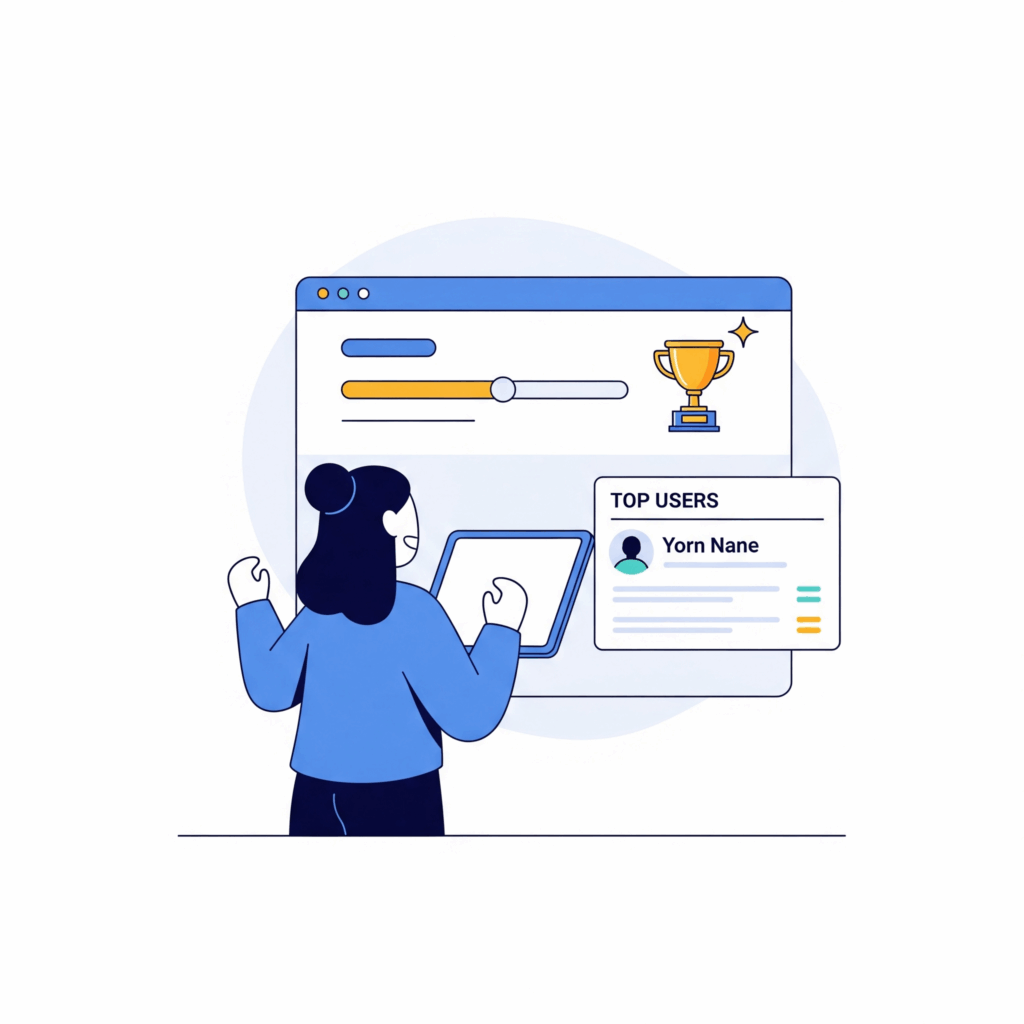
The e-commerce world has grown increasingly competitive. With countless brands vying for customer attention, businesses need more than discounts and flashy ads to stand out. One strategy that has gained traction in recent years is gamification—the integration of game-like elements into online shopping experiences. When done right, gamification can make customers feel more engaged, motivated, and loyal, turning casual browsers into repeat buyers.
What Is Gamification in E-Commerce?
Gamification is the use of mechanics typically found in games—such as points, levels, badges, leaderboards, and challenges—in non-gaming environments like online stores. The goal is to make shopping interactive, enjoyable, and rewarding. Instead of passively scrolling through products, customers feel like participants in an engaging experience.
For example, a clothing store may reward customers with points for completing certain actions like signing up, leaving a review, or sharing a product on social media. These points can later be redeemed for discounts. Similarly, a cosmetics brand might create a “spin-the-wheel” feature on its website, giving customers a chance to win special offers when they make a purchase.
By making shopping fun and rewarding, gamification taps into basic human psychology—our love for competition, achievement, and instant gratification.
Why Gamification Works for Customer Engagement
The effectiveness of gamification lies in how it influences customer behavior. Here’s why it works so well:
- Motivation Through Rewards
Shoppers are more likely to take specific actions when they know a reward is waiting. Whether it’s earning points, unlocking a discount, or climbing to a new level, these incentives drive consistent engagement. - Fostering Loyalty and Repeat Visits
When customers feel invested in earning rewards or completing challenges, they keep coming back. Gamification creates a loop of interaction that increases brand stickiness. - Sense of Accomplishment
Simple achievements like earning badges or completing shopping milestones provide a sense of satisfaction. Customers feel recognized and appreciated, which boosts emotional connection with the brand. - Social Sharing and Virality
Gamified features often encourage customers to share their progress or wins on social media. This not only builds community but also helps spread brand awareness organically.
Popular Gamification Tactics for Online Stores
There are many creative ways online businesses can gamify the shopping experience. Some of the most effective include:
- Loyalty Points Programs – Customers earn points for purchases, reviews, and referrals, redeemable for discounts or freebies.
- Spin-to-Win Widgets – Shoppers spin a virtual wheel to unlock surprise rewards like discount codes or free shipping.
- Badges and Levels – Customers unlock badges or higher tiers based on their activity, motivating them to continue shopping.
- Referral Challenges – Gamifying referrals encourages customers to invite friends and get rewarded when their friends make purchases.
- Limited-Time Challenges – Flash sales and countdown timers add urgency, prompting customers to act quickly.
- Leaderboards – Ranking top customers or referrers builds healthy competition and community.
Each of these tactics creates touchpoints where customers interact with the brand in ways that go beyond simply buying a product.
Real-World Examples of Gamification
Some of the world’s leading e-commerce companies have successfully integrated gamification into their strategies:
- Nike engages users through its Nike Run Club app, which rewards milestones and creates a strong community feel.
- Sephora uses a point-based rewards program, offering exclusive experiences and products to loyal customers.
- Starbucks transformed its loyalty app into a gamified experience where customers collect stars and unlock rewards.
While these examples are from big brands, smaller online stores can also adopt gamification strategies using plugins, apps, or built-in features on platforms like Shopify, WooCommerce, and Simplisell.
Benefits of Gamification for E-Commerce Brands
When implemented thoughtfully, gamification delivers clear business benefits:
- Higher Engagement: Customers spend more time exploring your website.
- Increased Conversions: Incentives push shoppers toward completing purchases.
- Customer Retention: Loyalty rewards encourage repeat buying.
- Data Collection: Gamification encourages customers to share preferences and feedback.
- Stronger Brand Identity: Gamified features help your store stand out from competitors.
These benefits compound over time, making gamification a sustainable growth strategy.
How to Get Started with Gamification
If you’re considering adding gamification to your online store, here are a few steps to guide you:
- Define Your Goals – Do you want more conversions, referrals, or repeat visits? Your gamification design should align with these objectives.
- Start Simple – Begin with basic reward systems like loyalty points or spin-to-win widgets before moving to complex challenges.
- Ensure Real Value – Rewards must be meaningful. Discounts, free samples, or exclusive content are highly effective.
- Track and Adjust – Measure customer engagement and conversion rates to refine your gamification strategies.
- Integrate Seamlessly – Gamification should enhance, not complicate, the customer journey.
The Future of Gamified Online Shopping
As technology evolves, gamification in e-commerce will only become more advanced. Virtual reality (VR) shopping experiences, AI-driven personalized rewards, and interactive live shopping events are all emerging trends. For small businesses, platforms like Simplisell make it easier to integrate gamified features into stores without requiring technical expertise.
In the coming years, gamification will likely become a standard practice, not just a novelty. Businesses that adopt it early will have a competitive edge in building deeper customer relationships.
Final Thought
Gamification is more than just a gimmick—it’s a powerful way to create meaningful engagement, build loyalty, and boost sales. By making shopping fun and rewarding, online stores can transform casual visitors into long-term brand advocates. Whether through loyalty programs, interactive challenges, or spin-to-win rewards, gamification helps bridge the gap between customer curiosity and lasting connection.