


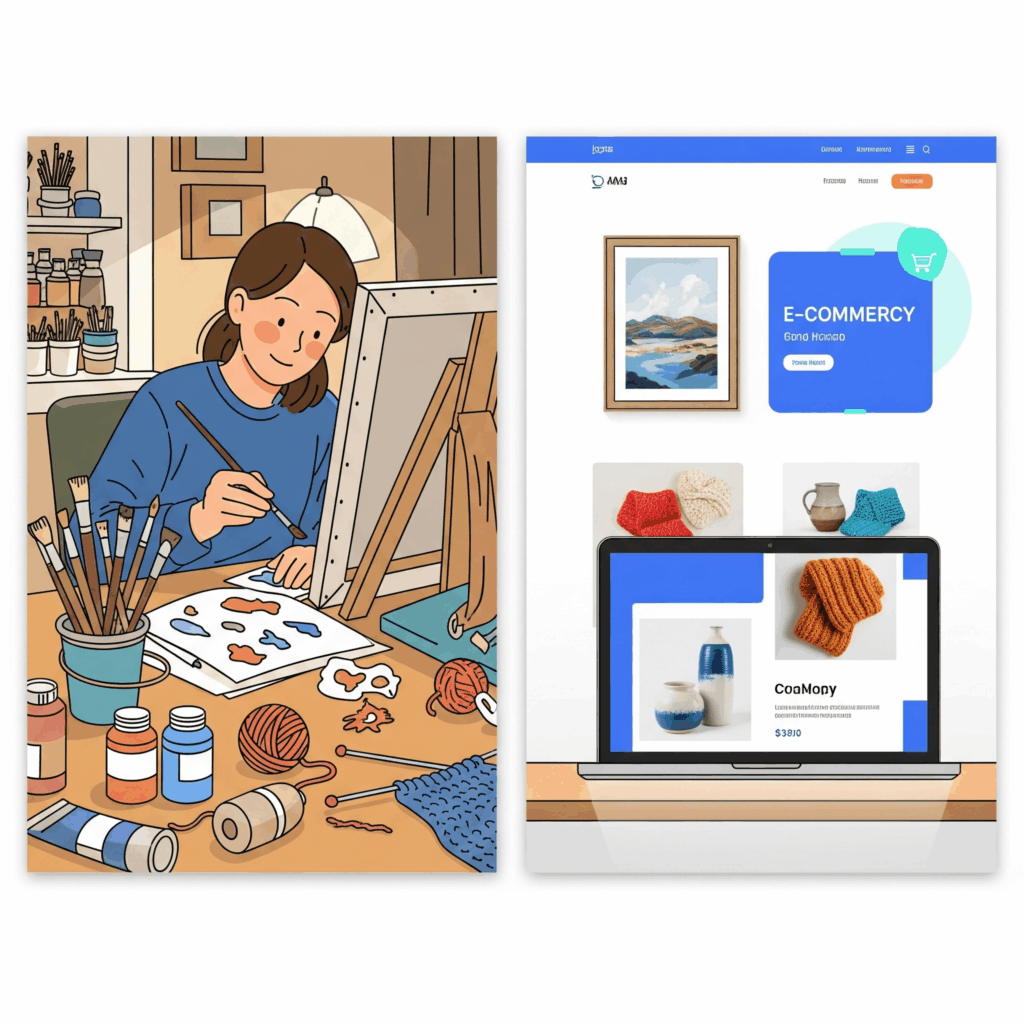
Turning a hobby into a thriving business is a dream for many. Whether you love crafting jewelry, painting, baking, or designing clothing, the digital era has made it easier than ever to sell your creations online. With the right approach, passion projects can evolve into profitable ventures. Here’s a step-by-step guide to help you launch your first online store successfully.
1. Understanding the Transition from Hobby to Business
A hobby is something you do for personal satisfaction, while a business requires planning, structure, and a focus on profit. The first step is to evaluate whether your hobby has the potential to generate consistent income. This means asking yourself questions like:
- Is there a demand for my product?
- Can I produce enough to meet that demand?
- Am I ready to handle marketing, customer service, and logistics?
The mindset shift is crucial. You’ll need to think beyond creativity and begin considering pricing strategies, branding, and long-term growth. While this may seem daunting, it’s also the most exciting part — turning something you love into a livelihood.
2. Identifying Your Niche and Target Audience
An online store thrives when it caters to a specific niche. Instead of trying to sell to everyone, identify your ideal customer and create products that speak directly to their needs and tastes. For example, if you make candles, will you focus on eco-friendly soy candles, luxury scented candles, or personalized gift sets?
Defining your niche helps you stand out in a crowded online marketplace. Once you know who your audience is, you can tailor your branding, product descriptions, and promotions to appeal directly to them.
3. Choosing the Right Platform for Your Store
The platform you choose will shape your selling experience. Popular options include:
- Simplisell – A user-friendly solution perfect for beginners who want a quick and simple setup.
- Shopify – Great for scalability with a variety of features and integrations.
- Etsy – Ideal for handmade, vintage, or unique items.
- WooCommerce – A customizable option if you already have a WordPress site.
When selecting a platform, consider factors like ease of use, transaction fees, customization options, and marketing tools. Your platform should support your growth without being overly complicated to manage.
4. Branding: Creating a Memorable Identity
Your brand is more than just a logo — it’s the overall experience customers have with your business. This includes your store’s name, visual style, tone of voice, and even packaging. Strong branding builds trust and encourages repeat purchases.
To create a memorable brand:
- Choose a name that’s simple, unique, and easy to spell.
- Develop a color palette and design style that reflects your products’ personality.
- Write an engaging “About Us” page that tells your story and connects emotionally with your audience.
5. Product Photography and Descriptions
Online shoppers can’t physically touch your products, so your photos and descriptions must do all the convincing. High-quality images from multiple angles, close-ups of details, and lifestyle shots will help customers visualize the product in their own lives.
Product descriptions should be clear, engaging, and informative. Highlight the benefits, materials used, and any unique features. If your products are handmade, share the process — it adds authenticity and value.
6. Setting Prices Strategically
Pricing is a balancing act between covering costs, staying competitive, and ensuring profitability. Consider the following when setting prices:
- Material and labor costs – Don’t forget packaging and shipping expenses.
- Market research – Check how much similar products are selling for.
- Perceived value – If your products are premium quality or custom-made, customers may be willing to pay more.
Avoid undervaluing your work just to attract buyers. Pricing too low can hurt your brand’s image and sustainability.
7. Marketing Your Store
Even the best products won’t sell if no one knows about them. Build awareness through:
- Social media marketing – Platforms like Instagram, Facebook, and Pinterest are visual and perfect for product promotion.
- Email marketing – Build a mailing list to share new arrivals, promotions, and updates.
- Content marketing – Blogs, tutorials, or behind-the-scenes videos can boost engagement.
Consistency is key. Regular posts, updates, and interaction with your audience will keep your store in customers’ minds.
8. Managing Orders, Shipping, and Customer Service
Efficient order fulfillment is essential for customer satisfaction. Choose reliable shipping partners and clearly communicate delivery times. Offering tracking details and updates builds trust.
Customer service is equally important. Respond to queries promptly, address issues professionally, and consider adding a return or exchange policy. A happy customer is more likely to leave a positive review and refer others to your store.
9. Tracking Performance and Adapting
Once your store is running, regularly review your performance metrics — sales numbers, website traffic, customer feedback, and marketing ROI. Identify what’s working and where improvements are needed.
Flexibility is key in the e-commerce space. Trends change, customer preferences evolve, and new tools emerge. Stay informed and be ready to adapt your strategies for continued growth.
10. Staying Motivated and Growing Your Business
Turning a hobby into a business is rewarding but can also be challenging. There will be slow days, technical issues, and learning curves. Stay motivated by remembering why you started and celebrating small milestones.
As your business grows, consider expanding your product line, collaborating with other creators, or exploring wholesale opportunities. The possibilities are endless once your online store finds its rhythm.
Final Thoughts
Launching your first online store is a journey that blends passion with strategy. By understanding your market, creating a strong brand, and delivering excellent customer experiences, you can transform your hobby into a sustainable business. With dedication, creativity, and the right tools, your passion can not only bring you joy but also financial freedom.
If you’re ready to take the leap, start with a simple, beginner-friendly platform like Simplisell to bring your vision to life. Your first sale is just the beginning.