Simplisell

Uncategorized

Simplisell
Uncategorized

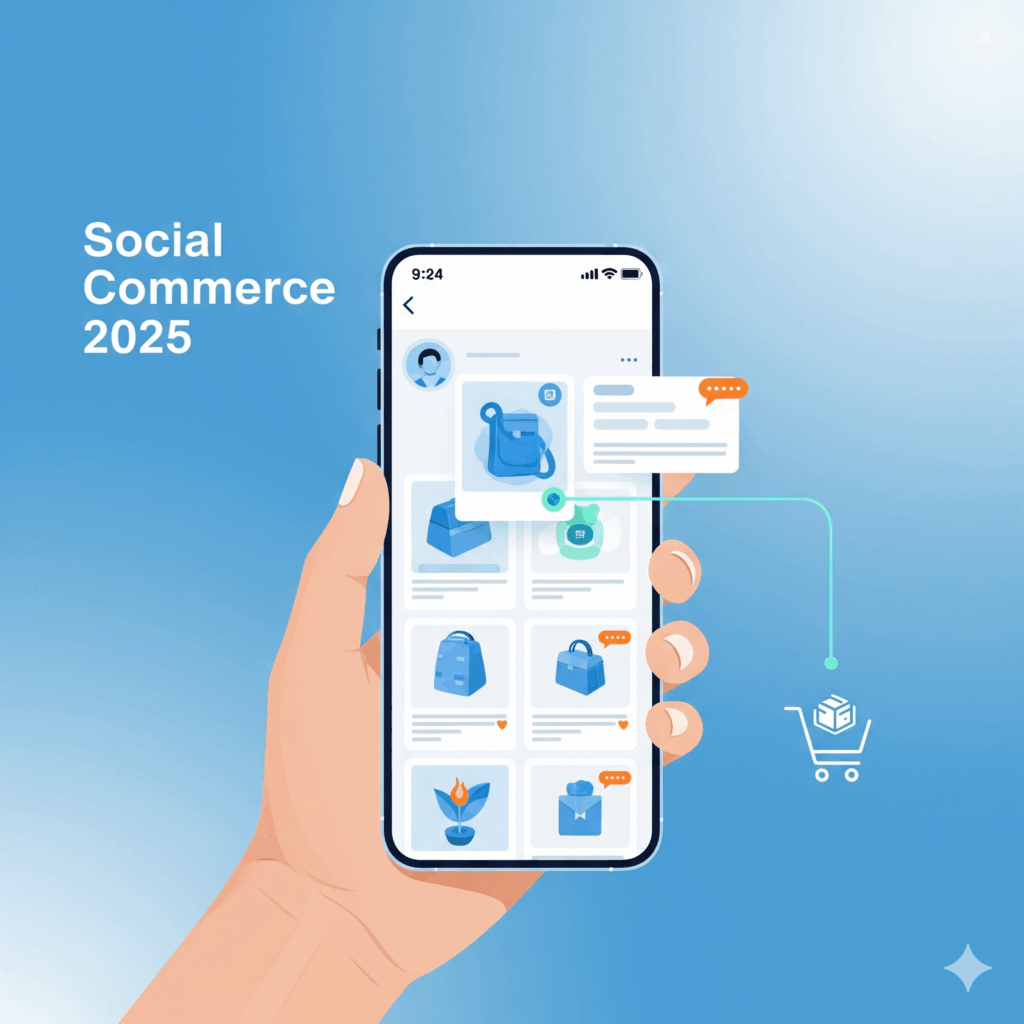
Social Commerce 2025: Turning Followers into Loyal Customers

The way people shop online is evolving rapidly, and social commerce is at the heart of this transformation. Social commerce refers to buying and selling products directly through social media platforms like Instagram, Facebook, TikTok, and Pinterest. Instead of simply being channels for marketing, these platforms are now integrated storefronts where followers can seamlessly browse, purchase, and engage without leaving the app. As we look ahead to 2025, the boundaries between social interaction and e-commerce will blur even further, making social commerce one of the most powerful drivers of customer loyalty and revenue growth.  The Rise of Social Commerce  Social media has always influenced consumer behavior. Friends sharing product recommendations, influencers showcasing their favorite brands, and ads popping up in feeds all play a role in shaping purchase decisions. But with the rise of built-in shopping features—such as Instagram Shops, Facebook Marketplace, TikTok Shop, and Pinterest’s “Shop the Look”—consumers can now act on those impulses instantly.  By 2025, social commerce sales are projected to surpass trillions globally, with younger generations leading the charge. Gen Z and Millennials, in particular, prefer discovering and purchasing products directly on the platforms where they spend the most time. For businesses, this shift represents an unprecedented opportunity to meet customers where they are and shorten the path from discovery to purchase.  Why Social Commerce Builds Loyalty  At its core, social commerce is not just about convenience—it’s about connection. Unlike traditional e-commerce, where shoppers interact primarily with a website, social commerce places the brand in a social setting. Customers can comment, share, tag friends, and engage with brands in real time. This interactivity makes the shopping experience feel more personal and community-driven.  Loyalty thrives when customers feel understood and valued. Social platforms provide businesses with rich insights into customer behavior, preferences, and interests. By leveraging this data, brands can offer personalized recommendations, exclusive discounts for followers, and curated shopping experiences that feel tailor-made. The result is a sense of belonging that keeps buyers coming back.  Influencers: The New Storefronts  In the social commerce landscape, influencers are becoming digital storefronts. Their ability to build trust and connect authentically with followers makes them invaluable partners for brands. Instead of browsing endless product listings, customers are more likely to purchase something recommended by a creator they already admire and trust.  Micro-influencers, in particular, are playing a pivotal role. While they may have smaller audiences, their engagement rates are often higher, and their recommendations come across as more genuine. In 2025, businesses that collaborate with the right influencers will be able to tap into loyal communities and drive repeat purchases with ease.  Features Driving Social Commerce in 2025  Several innovations are redefining the way customers shop socially:  These features not only make shopping easier but also help reduce cart abandonment rates and build stronger trust in the buying process.  Converting Followers into Loyal Customers  Having followers is valuable, but turning them into loyal, paying customers requires strategy. Here are some effective approaches:  The brands that succeed will treat their social media not just as marketing platforms but as complete shopping ecosystems designed to nurture long-term loyalty.  Challenges Ahead  While the opportunities are massive, businesses must also prepare for challenges. Data privacy concerns, platform dependency, and the need for authentic engagement are critical considerations. Customers today are more cautious about where they share personal information, and brands must be transparent about how data is collected and used. Additionally, relying solely on one social platform is risky—changes in algorithms or policies could disrupt sales. A balanced approach that integrates social commerce with owned channels like websites and email lists is essential.  Looking Ahead: Social Commerce as the Norm  By 2025, social commerce won’t be an add-on strategy—it will be the norm. Shoppers will expect their favorite platforms to double as storefronts, influencers will act as trusted salespeople, and loyalty will hinge on how well brands can create seamless, engaging, and personalized experiences.  The future belongs to brands that can transform their followers into communities and their communities into loyal customers. Social commerce is not just about selling—it’s about building trust, fostering relationships, and creating shopping experiences that feel social, enjoyable, and uniquely tailored to each customer.  Final Thought: In the era of social commerce, followers are more than just numbers—they are potential lifelong customers. The key is to combine convenience with authenticity, ensuring that every interaction brings value and strengthens the bond between brand and buyer. 
Simplisell
Uncategorized

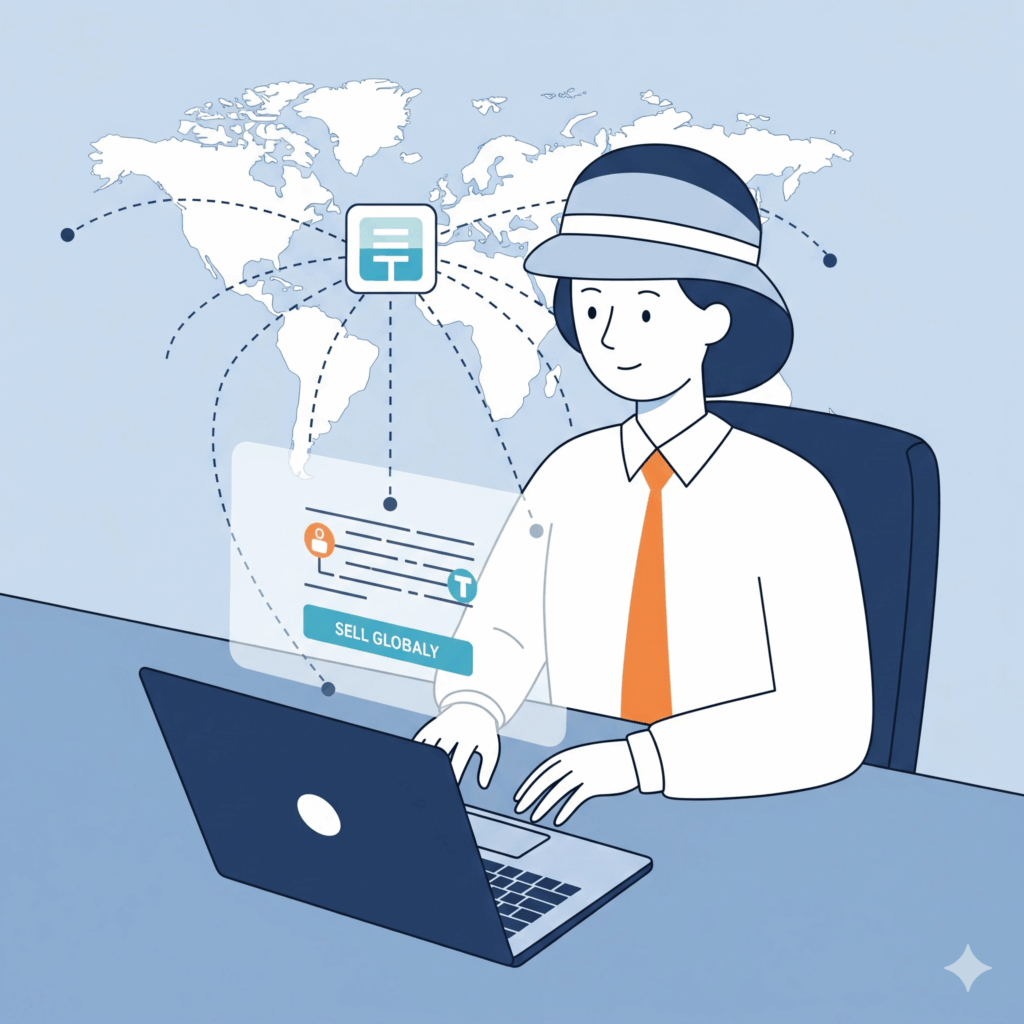
Selling Internationally: Simplifying Cross-Border E-Commerce for Small Businesses

The digital age has erased many of the boundaries that once kept small businesses confined to local markets. Today, even the smallest retailer has the potential to sell products to customers across the globe. This opportunity is driven by cross-border e-commerce—a rapidly growing segment of online retail that enables small businesses to reach international buyers directly. However, going global comes with its own challenges. From shipping logistics to payment systems, the process can seem overwhelming. The good news is that with the right strategies and tools, small businesses can simplify cross-border e-commerce and expand into international markets more seamlessly than ever before.  Why Cross-Border E-Commerce Matters  Cross-border e-commerce is no longer just a trend; it’s a necessity for ambitious small businesses. Studies show that global e-commerce sales are projected to exceed $6 trillion in 2025, with a significant portion coming from international transactions. Customers worldwide are increasingly shopping across borders to access better prices, unique products, or brands unavailable in their local markets.  For small businesses, selling internationally not only widens their customer base but also reduces dependency on a single market. If sales slow in one country due to economic or seasonal fluctuations, other markets can balance growth. Moreover, global exposure enhances brand recognition and builds resilience in a competitive environment.  Challenges in Selling Internationally  While the potential is vast, small businesses often face challenges when expanding globally:  Understanding these hurdles is the first step toward simplifying the process.  Strategies to Simplify Cross-Border E-Commerce  1. Start with Market Research  Before diving into global sales, research your target markets. Identify countries where demand for your products is high and competition is manageable. Look at cultural trends, consumer behavior, and local regulations. For instance, fashion products may do well in Europe, while electronics may have greater traction in Southeast Asia.  2. Choose the Right E-Commerce Platform  Your online store must be capable of handling international orders. Platforms like Simplisell provide built-in features to support cross-border selling, such as multi-currency checkout, integration with global payment providers, and shipping solutions. For small businesses without technical expertise, using an intuitive platform makes scaling internationally far easier.  3. Simplify Shipping and Fulfillment  Partnering with reliable logistics providers is crucial. Many shipping carriers offer international delivery solutions tailored for small businesses. Simplisell, for example, integrates with shipping partners that handle customs forms, duties, and tracking, so you don’t have to manage these complexities manually. Offering transparent shipping rates at checkout also helps build trust with global buyers.  4. Offer Localized Payment Options  International customers expect to pay in their local currency and through familiar payment methods. While credit cards may be common in the U.S., buyers in Europe may prefer PayPal, and in Asia, digital wallets or bank transfers dominate. A platform like Simplisell makes it easy to integrate multiple payment gateways, so customers enjoy a frictionless checkout experience.  5. Address Language and Cultural Barriers  Small businesses can start by localizing their website content for key markets. Even translating product descriptions and checkout pages into the local language can improve conversions. Moreover, being sensitive to cultural differences in product imagery, marketing, and communication style will help your brand resonate with international customers.  6. Simplify Taxes and Compliance  Customs duties, import taxes, and VAT can be complicated, but clarity is key. Displaying landed costs upfront prevents unpleasant surprises for buyers. Some e-commerce platforms automatically calculate duties and taxes at checkout, making it easy for small businesses to remain compliant while keeping customers informed.  The Role of Technology in Simplifying Global Sales  Technology has made it easier than ever for small businesses to enter international markets. From AI-driven analytics that identify the best-performing regions to automated shipping calculators, digital tools eliminate guesswork and reduce manual effort. Simplisell, for instance, is designed with small businesses in mind, offering user-friendly dashboards, integrated global shipping, and real-time order tracking—making international sales more manageable even for first-time sellers.  Additionally, marketing technology can target international customers through localized ads, SEO strategies, and social media campaigns. With data-driven insights, businesses can fine-tune their offerings for different regions without overspending on trial and error.  Building Trust with International Customers  Trust is the foundation of successful cross-border e-commerce. International buyers may hesitate to order from unfamiliar small businesses, so it’s essential to provide reassurances. Display customer reviews, highlight secure payment methods, and offer transparent policies for shipping and returns. Clear communication around delivery timelines and tracking builds confidence. Post-purchase engagement, such as follow-up emails, also strengthens relationships with global buyers and encourages repeat purchases.  Conclusion  Selling internationally is a powerful growth opportunity for small businesses, but it doesn’t have to be overwhelming. By leveraging the right platforms, logistics partners, and technology, entrepreneurs can simplify cross-border e-commerce and expand into global markets with confidence. Tools like Simplisell make it possible to overcome common hurdles—handling multi-currency payments, integrating with shipping providers, and simplifying compliance—so that small businesses can focus on what they do best: delivering great products to happy customers.  In a world where borders are no longer barriers, the question is not if small businesses should sell internationally, but how soon they can start. With the right strategy, the global marketplace is well within reach. 

Uncategorized

5 Tips To Improve Omnichannel Order Management For Your Online Business 

5 Tips To Improve Omnichannel Order Management For Your Online Business In today’s competitive e-commerce landscape, businesses need to ensure seamless customer experiences across multiple platforms and touchpoints. Omnichannel order management plays a crucial role in achieving this, as it allows businesses to manage orders from various sales channels—whether it’s online, in-store, or via social media—without any friction. However, effectively managing orders from different channels can be challenging. Here are five practical tips to improve your omnichannel order management for your online business.  Implement a Centralized Order Management System (OMS) The foundation of successful omnichannel order management lies in having a robust and centralized Order Management System (OMS). A centralized OMS acts as a hub that synchronizes orders from different sales channels into one place. It gives you real-time visibility into your inventory levels, customer data, and order status, regardless of where the order was placed.  A centralized system can automate and streamline the entire order process, from the initial placement to fulfillment and delivery. It minimizes manual errors, improves efficiency, and ensures that you never lose track of an order, no matter how many channels you’re managing.  Look for an OMS that integrates easily with all your sales platforms, including your e-commerce store, physical retail locations, and third-party marketplaces. With a central point of control, you’ll be able to handle multi-channel orders with ease.  Sync Inventory Across All Channels Inventory management is a crucial aspect of omnichannel order fulfillment. Customers expect a consistent shopping experience, and that includes up-to-date information on product availability, no matter where they are purchasing from.  To meet these expectations, you need to synchronize your inventory across all channels. Real-time inventory tracking will help prevent situations where a product is listed as available on one platform but is actually out of stock. You should invest in inventory management software that updates stock levels in real-time as orders are placed, ensuring that all platforms reflect accurate inventory data.  Additionally, syncing your inventory helps in optimizing stock levels and reducing excess inventory costs. It allows for better forecasting and ensures that you are neither overstocking nor understocking products, leading to more efficient order fulfillment.  Enable Flexible Fulfillment Options To cater to the diverse preferences of your customers, your business should offer multiple fulfillment options, such as in-store pickup (BOPIS), ship-from-store, curbside pickup, and home delivery. These flexible options not only enhance customer satisfaction but also help you manage fulfillment more efficiently based on geographic location and stock levels.  For instance, fulfilling an online order from the nearest retail store instead of a central warehouse can reduce shipping time and costs. Additionally, offering options like BOPIS (Buy Online, Pick Up In-Store) can drive foot traffic to physical stores, giving you an opportunity to cross-sell or upsell when customers arrive to pick up their orders.  By providing multiple fulfillment options, you can also spread your order fulfillment workload more evenly across locations, avoiding bottlenecks and ensuring smoother operations.  Optimize Shipping and Delivery Processes Shipping and delivery are the final steps in the customer journey, and ensuring smooth, reliable, and timely deliveries is essential for customer satisfaction. However, managing shipping across multiple channels can be challenging if you don’t have the right processes in place.  Invest in shipping software that allows you to compare rates from different carriers and automatically selects the best option based on the delivery location, shipping speed, and cost. Many advanced shipping platforms integrate seamlessly with your OMS, allowing for real-time tracking and notifications to keep customers informed about their order status.  Additionally, consider offering a range of shipping options, from express delivery to standard and economy shipping. Giving customers the flexibility to choose their preferred shipping method adds to the positive omnichannel experience.  Leverage Data and Analytics for Continuous Improvement To truly excel in omnichannel order management, you need to continuously track and analyze performance data across all your channels. This includes metrics such as order accuracy, fulfillment time, shipping costs, inventory levels, and customer satisfaction rates.  By leveraging data and analytics, you can identify trends, bottlenecks, and inefficiencies in your order management processes. For example, you may discover that certain sales channels consistently have higher rates of order errors, or that a specific warehouse is experiencing delays in shipping. With this data, you can take proactive steps to resolve issues and optimize your operations.  Data analytics can also help you better understand customer behaviors and preferences. For example, you can analyze which fulfillment options customers prefer, what times of year certain products are in high demand, and how different sales channels are performing. This information will allow you to make more informed decisions about inventory allocation, marketing strategies, and customer service improvements.  Conclusion  Improving omnichannel order management is crucial for delivering a seamless and consistent experience across all sales channels. By implementing a centralized Order Management System, syncing your inventory, offering flexible fulfillment options, optimizing shipping processes, and leveraging data analytics, you can enhance operational efficiency, reduce costs, and ultimately improve customer satisfaction.  Remember, the key to success in omnichannel order management is to maintain visibility and control over all your orders and inventory while delivering an exceptional customer experience, no matter where your customers are shopping. As the e-commerce landscape continues to evolve, businesses that prioritize these tips will be well-positioned to thrive in a multi-channel world. 

Uncategorized

5 Common Misconceptions About Going D2C With Your Large Business

5 Common Misconceptions About Going D2C With Your Large Business In recent years, the direct-to-consumer (D2C) business model has gained significant traction, particularly as more large companies seek to engage customers directly. Bypassing traditional distribution channels, such as wholesalers and retailers, allows businesses to own the entire customer journey, control their brand messaging, and gather invaluable consumer insights. However, for large enterprises accustomed to traditional retail methods, transitioning to a D2C approach can seem daunting. The path to going D2C is often clouded with misconceptions that can hinder success. Here, we debunk five common myths associated with shifting your large business to a D2C model.  “Going D2C Is Too Risky for Large Enterprises” One of the most pervasive misconceptions about going D2C is that it’s too risky for established businesses. Many think it’s a gamble to abandon the traditional retail model in favor of a direct approach. However, adopting a D2C strategy doesn’t mean you have to eliminate traditional retail partnerships altogether.  The D2C model can coexist with traditional retail channels, creating a hybrid strategy that mitigates risk. You can start with a D2C channel as an experiment, gradually scaling up if it proves successful. Large brands such as Nike and Pepsi have demonstrated that the D2C model complements their existing retail presence, allowing them to diversify revenue streams and build stronger customer relationships. The key is to treat D2C as an additional channel rather than a complete overhaul of your business model.  “D2C Only Works for Small or Niche Brands” Many large companies believe that D2C is primarily for startups or niche brands with specific target audiences. However, this is far from the truth. Big-name brands have successfully leveraged the D2C model to extend their reach and deepen customer loyalty.  Take Apple, for example. Despite being a global tech giant, Apple has always maintained a strong D2C presence through its retail stores and website, offering a seamless customer experience. Similarly, large brands in various industries—from beauty to fashion to consumer electronics—have adopted D2C strategies to stay competitive and responsive to consumer demands.  Going D2C is not restricted to small-scale operations; it’s about building stronger brand connections. Larger brands, with their extensive resources, can invest in cutting-edge technology, superior customer service, and personalized marketing to enhance the D2C experience.  “It’s Expensive to Build a D2C Infrastructure” The perceived cost of setting up and maintaining a D2C channel is another common misconception. Many companies believe that they need to make significant investments in e-commerce platforms, warehousing, logistics, and customer service to go D2C. While there are upfront costs involved in setting up a D2C channel, advancements in technology have made it more accessible than ever.  E-commerce platforms, digital payment gateways, and fulfillment services now offer scalable solutions that allow businesses to start small and grow at their own pace. For instance, third-party logistics providers (3PLs) can manage warehousing and shipping, while customer service tools like chatbots and AI-driven platforms can streamline customer interactions without huge overhead costs.  Moreover, the direct nature of D2C allows businesses to cut out intermediaries, reducing dependency on third-party retailers and increasing overall margins. The long-term benefits—such as direct access to customer data and the ability to implement agile marketing strategies—often outweigh the initial investment.  “D2C Means Competing Directly with Retail Partners” Another misconception is that launching a D2C channel will alienate or compete directly with traditional retail partners. While it’s true that D2C opens up a direct sales channel, it doesn’t have to cannibalize your retail business. Instead, the D2C model can complement traditional retail, helping businesses better understand their customers and strengthen their brand.  Retail partnerships remain valuable, especially for broad market penetration. However, D2C allows businesses to capture and serve different segments of their audience—customers who prefer the convenience and personalization that comes with direct purchases. By maintaining both D2C and retail channels, businesses can offer tailored experiences to each type of customer.  Many successful brands use the D2C model to test new products, gather insights, and build a loyal following before distributing the same products through traditional retail channels. This approach can enhance product development and marketing, benefiting both retail partners and the brand itself.  “D2C Only Focuses on Selling, Not Customer Experience” A common misconception about D2C is that it’s all about selling products directly to customers and less about customer experience. In fact, the D2C model gives brands the opportunity to enhance customer experiences in ways traditional retail cannot. When a business owns the entire customer journey, it can offer a more personalized, cohesive experience that resonates with the customer.  With D2C, brands can communicate directly with consumers, tailoring marketing messages, offering personalized promotions, and providing customer service that matches the brand’s ethos. Furthermore, businesses can leverage customer data—such as buying behaviors and preferences—to create customized experiences, improving customer satisfaction and loyalty.  Brands like Glossier and Warby Parker have mastered this approach by building entire customer-centric ecosystems. They don’t just sell products—they offer experiences that foster a sense of community and loyalty, encouraging customers to return time and again. This level of control over customer interactions is often harder to achieve in traditional retail channels where the retailer controls much of the customer experience.  Conclusion  Going D2C offers large businesses significant advantages, from better customer relationships to higher profit margins and more control over brand messaging. However, misconceptions about the risks, costs, and conflicts associated with the D2C model often deter large enterprises from fully exploring this option. By addressing these myths and understanding the benefits, businesses can unlock the potential of D2C and create a robust, multi-channel strategy that boosts long-term growth.  The key to D2C success lies in building a scalable infrastructure, offering personalized experiences, and maintaining a healthy balance between direct sales and traditional retail partnerships. By doing so, large companies can thrive in the evolving e-commerce landscape. 

Uncategorized

eCommerce Growth – 5 Underrated Conversion Strategies

eCommerce Growth – 5 Underrated Conversion Strategies In the highly competitive world of eCommerce, every business is striving to improve conversions. While there are many widely used strategies like optimizing the checkout process or improving website speed, some underrated techniques are often overlooked but can significantly boost your conversion rates. These lesser-known strategies can help you gain an edge in the crowded market, driving more sales and fostering customer loyalty. Let’s explore five underrated conversion strategies that can fuel your eCommerce growth.  Incorporate Exit-Intent Popups Exit-intent popups are often underutilized, but they can make a big difference in saving potential lost sales. These popups are triggered when a user is about to leave the website, giving you one last chance to engage with them before they exit. Exit-intent popups can offer discounts, remind users about items in their shopping cart, or present time-sensitive deals that create urgency.  For instance, if a visitor is about to abandon their shopping cart, you can use an exit popup to offer a small discount or free shipping. This not only increases the likelihood of a purchase but also shows that you value the customer and are willing to go the extra mile to complete the sale.  Pro tip: Keep the messaging in exit popups simple, clear, and aligned with customer needs. Highlight value and urgency, such as “Get 10% off your order if you complete your purchase in the next 15 minutes!”  Leverage Micro-Commitments for Deeper Engagement Micro-commitments are small actions or decisions that gradually lead customers toward conversion without overwhelming them. This technique works by breaking down the customer journey into manageable steps, encouraging them to take action in a way that feels natural and effortless. Micro-commitments build trust and investment over time, making it easier for users to convert when they reach the final stage of purchasing.  For example, instead of asking visitors to sign up for an account at the beginning of their journey, prompt them to do so after they’ve browsed through products or added items to their cart. Another approach is to use small, interactive elements like quizzes or polls, which allow visitors to engage without feeling pressured to buy immediately.  Pro tip: Integrate micro-commitments by asking for small, low-barrier actions like signing up for a newsletter or creating a wish list. These steps help establish a deeper relationship and increase the likelihood of eventual conversion.  Use Social Proof to Build Credibility Social proof is a powerful psychological tool that often flies under the radar when it comes to eCommerce conversion strategies. Potential customers are more likely to trust your brand if they see others endorsing your products. This includes user reviews, testimonials, product ratings, and even mentions of how many customers have purchased a particular item.  Displaying customer reviews prominently on your product pages and showcasing user-generated content like photos or videos can significantly influence buying decisions. Adding a “recently bought” or “bestseller” tag to your popular products is another subtle way to harness social proof, demonstrating that others are buying and enjoying your offerings.  Pro tip: Showcase real-time social proof, like popups that show recent purchases or customer actions, such as “John from New York just bought this item 5 minutes ago.” This creates a sense of urgency and trust.  Optimize for Voice Search Voice search is growing rapidly, yet many eCommerce websites have not fully optimized their content for it. As smart speakers and voice assistants like Siri, Alexa, and Google Assistant become more common, it’s essential to adapt your SEO strategy to include voice search queries. Unlike traditional typed searches, voice search queries are often longer and more conversational in tone. Adapting your content and product descriptions to answer these questions can help you tap into a new stream of traffic that is more likely to convert.  For example, instead of using short, keyword-focused product descriptions, opt for natural, question-based formats. You can also include a FAQ section that answers common voice search queries related to your products or services. This helps your website rank for long-tail keywords and attracts customers who use voice search as their primary method of finding products.  Pro tip: Use conversational language and question-based queries in your content. Focus on local SEO if you cater to a specific geographical market, as voice searches often have a local intent (e.g., “Where can I buy running shoes near me?”).  Implement Retargeting Strategies Retargeting is a highly effective but often underutilized strategy that can significantly boost conversion rates. Many visitors leave your site without making a purchase, but retargeting allows you to re-engage those visitors through ads across different platforms, reminding them of the products they were interested in. These personalized ads can reignite interest and bring visitors back to complete their purchase.  You can implement retargeting campaigns on platforms like Google Ads, Facebook, and Instagram to serve tailored ads to users who have previously visited your site. For eCommerce, this can be especially effective when you offer personalized discounts, display related products, or feature the exact items they left in their cart.  Pro tip: Set up dynamic retargeting ads that display specific products visitors viewed on your website. Combine these with personalized messaging like “Still interested? Complete your purchase with 10% off!”  Conclusion  By incorporating these five underrated conversion strategies into your eCommerce business, you can drive higher engagement and ultimately boost sales. Leveraging exit-intent popups, micro-commitments, social proof, voice search optimization, and retargeting allows you to tap into customer psychology, build trust, and ensure that your customers are motivated to follow through on their purchase journey.  These often-overlooked techniques can provide you with a competitive advantage, allowing you to engage visitors more effectively and convert them into loyal customers. Don’t underestimate the power of these lesser-known strategies—start experimenting with them today to see the impact on your eCommerce growth. 

Uncategorized

6 Ways to Increase Audience Engagement on Your eCommerce Website

6 Ways to Increase Audience Engagement on Your eCommerce Website In today’s competitive eCommerce landscape, audience engagement is crucial to the success of any online business. Engaged customers are more likely to make purchases, share your content, and remain loyal to your brand. Increasing engagement on your eCommerce website can lead to higher conversion rates, repeat customers, and a strong brand reputation. To help you maximize audience engagement, here are six proven strategies:  Leverage Interactive Content Interactive content such as quizzes, polls, and surveys can dramatically improve customer engagement. These tools provide users with personalized experiences, making them feel more connected to your brand. For example, a quiz that helps customers find the perfect product based on their preferences can guide them toward a purchase, while polls can offer insights into their opinions on various topics.  Interactive content keeps users engaged for longer periods, which can lower your website’s bounce rate and encourage visitors to explore more products. Tools like Typeform or SurveyMonkey make it easy to create fun, interactive content that captures user interest.  Pro tip: Include interactive product recommendations or “Which product is right for you?” quizzes to increase dwell time and guide purchasing decisions.  Incorporate User-Generated Content (UGC) User-generated content is a powerful tool for building trust and engaging your audience. Encourage your customers to share photos, videos, and reviews of your products on social media or directly on your website. UGC adds authenticity to your brand and helps potential customers visualize how your products look and feel in real-life situations.  Platforms like Instagram and Facebook are perfect for showcasing customer photos or reviews. Featuring these on your product pages or homepage can increase visitor trust, making them more likely to convert.  Pro tip: Consider creating a hashtag campaign where customers can share their experiences with your products. Offer incentives like discounts or giveaways to encourage participation.  Utilize Live Chat and Chatbots Instant communication is key to keeping your customers engaged. Live chat allows customers to ask questions and get immediate responses, reducing the friction between browsing and purchasing. This can be especially helpful during the decision-making process when potential customers are unsure about which product to buy or need assistance with shipping details.  For 24/7 engagement, chatbots can take over when live agents are unavailable. These AI-powered tools can handle basic queries, guide customers through the shopping process, and even recommend products based on browsing behavior.  Pro tip: Use live chat for post-purchase follow-ups, ensuring customer satisfaction and encouraging them to return for future purchases.  Optimize Your Website for Mobile Users Mobile commerce is on the rise, with a significant portion of online shoppers using smartphones and tablets to browse and make purchases. Therefore, ensuring that your eCommerce website is optimized for mobile devices is crucial. A mobile-friendly website provides a seamless shopping experience, which leads to higher engagement and conversion rates.  Key elements of mobile optimization include responsive design, fast load times, and intuitive navigation. Simplify the checkout process for mobile users by reducing the number of steps, offering mobile payment options like Apple Pay or Google Wallet, and ensuring that forms are easy to fill out on smaller screens.  Pro tip: Use a mobile-first design approach, ensuring that your site is easy to navigate, visually appealing, and functional on all devices.  Create Compelling Product Descriptions and Visuals High-quality visuals and detailed product descriptions are essential for grabbing customer attention and driving engagement. People are more likely to purchase a product if they can clearly see its features and understand its benefits. Invest in professional product photography and use zoomable images or 360-degree views to showcase your products from different angles.  Equally important are your product descriptions. Avoid generic copy; instead, focus on the unique benefits and features that set your products apart from the competition. Use storytelling to create an emotional connection with your audience, explaining how your product solves their problems or enhances their lives.  Pro tip: Add videos and user reviews to product pages to further engage potential customers and answer any questions they may have about your products.  Personalize the User Experience Personalization is a game-changer when it comes to audience engagement. Modern consumers expect personalized experiences tailored to their preferences, browsing history, and past purchases. Implementing AI-driven recommendations, personalized email campaigns, and dynamic content based on user behavior can significantly increase engagement.  For example, if a user frequently browses a particular category of products, your website can display related products or send them personalized offers. You can also recommend products based on their shopping cart contents or past purchases, making the shopping experience more relevant and enjoyable.  Pro tip: Use data analytics tools to segment your audience based on behavior, allowing for highly targeted email marketing campaigns that resonate with different customer segments.  Conclusion  Increasing audience engagement on your eCommerce website involves understanding your audience’s needs and offering interactive, personalized experiences that keep them coming back for more. By incorporating interactive content, leveraging user-generated content, utilizing live chat, optimizing for mobile, enhancing product visuals and descriptions, and personalizing the shopping experience, you can build a loyal customer base that is eager to engage with your brand.  Invest in these strategies today, and watch as your engagement metrics soar, leading to increased conversions and long-term growth. 

Uncategorized

Top 5 Popular D2C Brands And Lessons To Learn From Their Success

Top 5 Popular D2C Brands And Lessons To Learn From Their Success The Direct-to-Consumer (D2C) model has transformed the retail landscape in India, allowing brands to bypass traditional retail channels and connect directly with consumers. This approach has enabled brands to maintain better control over their products, pricing, and customer relationships. Here are five popular D2C brands in India and the lessons we can learn from their success.  Mamaearth About the Brand: Mamaearth, a leading skincare and wellness brand, was founded by Honasa Consumer Pvt. Ltd. in 2016. It offers a range of products that are natural, toxin-free, and environmentally friendly, catering primarily to parents and their children.  Key Success Factors:  Strong Digital Presence: Mamaearth has effectively utilized social media platforms and influencer marketing to reach its target audience. By partnering with parenting bloggers and health enthusiasts, the brand has built trust and credibility among consumers.  Focus on Sustainability: The brand emphasizes its commitment to natural ingredients and sustainability, appealing to environmentally conscious consumers. Their eco-friendly initiatives, such as using recyclable packaging, resonate well with their target demographic.  Also read: How to Maximize Festive Season Sales on Your D2C Brand Website Lessons Learned:  Build a strong online community by leveraging social media and influencer partnerships.  Prioritize sustainability to connect with modern consumers who value eco-friendly products.  Licious About the Brand: Licious is a premium online meat and seafood delivery service that offers fresh, high-quality products. Founded in 2015, it aims to provide transparency and quality in the meat supply chain, addressing the concerns of urban consumers.  Key Success Factors:  Quality Assurance: Licious ensures that its products are sourced from trusted suppliers and undergo rigorous quality checks. This commitment to quality has helped the brand gain customer loyalty.  Convenience and User Experience: The user-friendly app and website allow customers to easily browse products, place orders, and enjoy timely delivery. The brand’s focus on convenience aligns with the fast-paced lifestyles of urban consumers.  Lessons Learned:  Ensure quality and transparency in product sourcing to build consumer trust.  Invest in a seamless user experience to enhance customer satisfaction.  Patanjali Ayurved About the Brand: Patanjali, founded by Baba Ramdev and Acharya Balkrishna in 1995, has revolutionized the Ayurvedic products market in India. The brand offers a wide range of products, including food items, personal care, and herbal medicines.  Key Success Factors:  Cultural Relevance: Patanjali has effectively tapped into the growing interest in traditional and herbal products, leveraging the cultural affinity for Ayurveda in India. The brand promotes its products as natural alternatives to synthetic items.  Aggressive Pricing: By offering high-quality products at competitive prices, Patanjali has successfully positioned itself as an affordable brand for the masses.  Lessons Learned:  Leverage cultural values and heritage to resonate with local consumers.  Competitive pricing can help attract a broader customer base.  Zivame About the Brand: Zivame is an online lingerie and intimate wear brand that was founded in 2011. The brand aims to provide women with a comfortable shopping experience and offers a wide range of sizes and styles.  Key Success Factors:  Body Positivity and Inclusivity: Zivame promotes body positivity and inclusivity, making it easier for women of all shapes and sizes to find products that suit them. This messaging resonates with a diverse audience.  Innovative Marketing Strategies: The brand has utilized creative marketing campaigns, including virtual fittings and celebrity endorsements, to engage consumers and create a memorable brand image.  Lessons Learned:  Foster inclusivity and body positivity in brand messaging to connect with diverse consumers.  Use innovative marketing strategies to create engagement and brand recall.  SUGAR Cosmetics About the Brand: SUGAR Cosmetics, founded in 2015, is a cosmetics brand that focuses on creating high-quality makeup products tailored for Indian skin tones. The brand has quickly gained popularity among young, urban consumers.  Key Success Factors:  Targeted Product Range: SUGAR Cosmetics offers products designed specifically for Indian skin tones, addressing a gap in the market. This targeted approach has helped the brand differentiate itself from competitors.  Effective Use of Social Media: The brand has leveraged platforms like Instagram and YouTube for product launches and tutorials, effectively reaching its target audience and driving engagement.  Lessons Learned:  Identify and address specific market gaps to differentiate your brand.  Leverage social media for marketing and customer engagement.  Conclusion  The success of these D2C brands in India illustrates the power of direct consumer engagement and the importance of understanding consumer needs. By focusing on quality, sustainability, inclusivity, and effective marketing strategies, brands can build strong relationships with their customers and thrive in the competitive market. Whether you’re an established company or a budding entrepreneur, these lessons can guide you on your path to success in the D2C landscape. 

Uncategorized

8 Actionable Steps To Grow Your D2C Sales 

8 D2C Trends for Growth in 2024 The direct-to-consumer (D2C) business model has gained massive popularity over the past decade, with brands opting to sell directly to their customers instead of relying on intermediaries. As we move into 2024, the D2C landscape is evolving rapidly, with new technologies and consumer behaviors shaping the future of this business model. Brands that want to stay ahead of the competition and capitalize on growth opportunities need to be aware of the key trends driving the industry.  Here are eight D2C trends poised to fuel growth in 2024:  Personalized Shopping Experiences In 2024, personalization is no longer a luxury but a necessity for D2C brands. Consumers expect a shopping experience tailored to their preferences, browsing history, and behaviors. Leveraging customer data to create personalized product recommendations, marketing emails, and even website experiences is key to driving customer engagement and sales.  Brands that use artificial intelligence (AI) and machine learning (ML) to analyze customer data can gain deep insights into individual preferences. Offering personalized shopping experiences—whether through dynamic product recommendations or targeted marketing campaigns—can enhance customer satisfaction and increase repeat purchases.  Sustainability and Ethical Practices Consumers are becoming more conscious of their purchasing decisions, and sustainability is a major consideration. In 2024, D2C brands that prioritize eco-friendly products, sustainable packaging, and transparent supply chains will see significant growth.  Brands that demonstrate a commitment to ethical practices—whether through fair labor, sourcing eco-friendly materials, or reducing carbon footprints—will build stronger connections with customers. Incorporating sustainable practices into your brand story and communicating them effectively can help differentiate your brand in a competitive market.  Additionally, offering carbon-neutral shipping options or eco-friendly packaging can appeal to eco-conscious consumers who are looking to make greener choices.  Subscription-Based Business Models Subscription services are continuing to rise in popularity, providing D2C brands with an opportunity to generate recurring revenue. Consumers love the convenience of automated deliveries, especially when it comes to essential items like skincare, groceries, or personal care products.  In 2024, expect to see more D2C brands adopting subscription-based models, offering customers flexible plans that cater to their specific needs. The key is to provide value beyond convenience—offering exclusive products, discounts, or personalized offerings can turn a one-time customer into a loyal subscriber.  Moreover, subscription models allow for better inventory planning and predictable cash flow, which can help D2C brands scale faster.  Augmented Reality (AR) and Virtual Try-On Technology As e-commerce continues to grow, D2C brands are embracing augmented reality (AR) and virtual try-on technology to enhance the online shopping experience. With AR, customers can visualize products in their space before purchasing, making it easier to buy items like furniture, home decor, or even cosmetics online.  Virtual try-on technology allows customers to see how a product—such as clothing, eyewear, or makeup—will look on them before buying. This reduces return rates and increases customer confidence in their purchases.  In 2024, more D2C brands will integrate AR and virtual try-on solutions into their websites, apps, and social media platforms, making online shopping more interactive and immersive.  Social Commerce Expansion Social commerce—the ability to buy products directly through social media platforms—is expected to explode in 2024. Platforms like Instagram, Facebook, TikTok, and Pinterest are increasingly integrating shopping features that allow users to browse and purchase products without leaving the app.  D2C brands can take advantage of social commerce by creating shoppable posts, using live shopping events, and collaborating with influencers to showcase products. The rise of short-form video content on platforms like TikTok and Instagram Reels presents an opportunity for brands to engage audiences with quick, engaging product demonstrations and drive sales through direct links.  With the seamless integration of social commerce, brands can tap into impulse buying and create a frictionless path to purchase.  Omnichannel Customer Experiences While D2C brands are known for their direct approach, customers still expect a seamless experience across multiple channels—whether they’re browsing online, shopping in-store, or engaging on social media. In 2024, the rise of omnichannel experiences will be crucial for D2C brands aiming to meet customers wherever they are.  Omnichannel strategies allow brands to deliver a consistent experience across all touchpoints. For example, customers might discover your brand on social media, browse your website, purchase through an app, and pick up their order in-store.  To succeed in 2024, D2C brands should invest in omnichannel capabilities, ensuring their website, physical stores, and social media platforms work together to provide a unified customer experience. Integrating customer data across all platforms is key to delivering this seamless experience.  Influencer and Creator Partnerships Influencer marketing has been a staple of D2C growth for years, but in 2024, there will be a shift towards more authentic and long-term partnerships between brands and creators. Rather than one-off sponsorships, D2C brands are increasingly forming ongoing collaborations with influencers who share their values and align with their brand’s ethos.  Micro and nano influencers, in particular, are gaining traction. These influencers tend to have smaller but highly engaged audiences, making their recommendations more trusted and authentic. By partnering with creators who have a genuine connection with their audience, D2C brands can build trust and tap into new customer segments.  Additionally, the rise of user-generated content (UGC) can complement influencer partnerships. Encouraging customers to share their experiences with your products on social media and highlighting this content on your own platforms can create a sense of community and drive engagement.  Also Read: How to Maximize Festive Season Sales on Your D2C Brand Website Direct Social Messaging for Customer Engagement In 2024, more D2C brands will focus on direct social messaging as a way to engage with customers in real-time. Platforms like WhatsApp, Facebook Messenger, and Instagram DMs are becoming more integrated into e-commerce, allowing brands to offer customer support, send personalized product recommendations, and even close sales directly through chat.  Direct messaging provides an opportunity to build closer relationships with customers and offer a more personalized shopping experience. Whether it’s answering questions, resolving issues, or guiding customers through the purchase process, social messaging can enhance customer

Uncategorized

8 D2C Trends for Growth in 2024 

How to Maximize Festive Season Sales on Your D2C Brand Website The festive season is a goldmine for direct-to-consumer (D2C) brands. It’s a time when consumers are actively seeking products and are more inclined to spend money on gifts, deals, and holiday indulgences. However, with the surge in traffic comes the challenge of standing out in a crowded market. To make the most of the festive season, your D2C brand must be prepared with the right strategies that not only attract visitors but also convert them into paying customers. Here are some tried-and-true methods to help you maximize your sales during this crucial period.  Create Festive-Themed Marketing Campaigns Nothing says festive season like a well-executed, holiday-themed marketing campaign. Start by aligning your brand with the spirit of the season. This can be as simple as updating your website’s visuals to reflect festive colors and themes or as complex as launching a multi-channel marketing campaign that includes email, social media, and influencer collaborations.  A key part of this strategy is storytelling. Consumers are more likely to engage with brands that evoke emotional responses, especially during the holiday season. Create campaigns that tie your products to holiday memories, traditions, or values, encouraging customers to see your products as the perfect gifts.  Offer Limited-Time Deals and Discounts The power of urgency is heightened during the festive season, making it the perfect time to offer limited-time deals and discounts. Flash sales, early bird offers, and “buy one get one” (BOGO) deals can drive a sense of urgency among shoppers, pushing them to purchase before the offer expires.  Consider creating bundles or gift sets, which can be a win-win situation for both you and your customers. Bundles increase the average order value while offering customers a better perceived deal. Promote these deals through email campaigns, social media ads, and push notifications to reach your audience at the right time.  Optimize Your Website for Mobile Shopping With more people shopping from their smartphones than ever before, ensuring your website is optimized for mobile is crucial. A slow, clunky mobile experience can lead to lost sales, especially during high-traffic periods. Mobile users expect fast load times, intuitive navigation, and easy-to-complete checkout processes.  Start by testing your website’s mobile experience. Check for responsiveness, load times, and how easy it is to navigate through product categories. The checkout process should be streamlined, with mobile-friendly payment options such as one-click checkout, digital wallets, and payment services like PayPal or Apple Pay.  Also Read: From Small Biz to E-commerce Empire: The Top Considerations for Selecting the Right E-commerce Platform Leverage Social Proof and User-Generated Content Social proof can be a powerful motivator during the festive season. Displaying reviews, ratings, and testimonials on product pages can help build trust and influence purchase decisions. In addition to reviews, encourage your customers to share their purchases on social media. User-generated content (UGC), such as customer photos or videos featuring your products, can add authenticity to your brand and attract new customers.  Consider creating a festive hashtag or running a contest where customers who post photos of your products can win a special prize. This not only boosts brand visibility but also creates excitement and a sense of community around your brand.  Retarget Abandoned Carts Cart abandonment is a common issue in e-commerce, but the festive season presents a unique opportunity to recapture those lost sales. Implement an abandoned cart retargeting strategy to remind customers of what they left behind. This can be done through email campaigns or targeted ads on social media and search engines.  To increase conversion rates, consider offering a small discount or free shipping to nudge customers toward completing their purchase. Timing is crucial—send your first cart abandonment email within a few hours of the customer leaving your site and follow up with one or two more reminders over the next 24 to 48 hours.  Enhance Customer Support for Fast Responses During the festive season, quick and responsive customer support can make or break a sale. Shoppers are often in a hurry and may need help making decisions, clarifying product details, or navigating checkout issues. If they don’t receive timely responses, they are likely to move on to a competitor.  Invest in customer support solutions that can handle the influx of queries during the holiday season. This could include adding a live chat feature on your website, extending customer service hours, or setting up an automated chatbot to answer frequently asked questions.  Create a Seamless Checkout Process Nothing kills a sale faster than a complicated or time-consuming checkout process. During the holiday rush, customers want to get in, buy what they need, and move on. To maximize conversions, ensure your checkout process is as simple and seamless as possible.  Reduce the number of steps required to complete a purchase, offer guest checkout for first-time buyers, and include multiple payment options to cater to different preferences. Free shipping or shipping discounts can also be a powerful incentive to reduce cart abandonment.  Run Targeted Ads to Reach Holiday Shoppers Paid advertising can be a highly effective way to reach potential customers during the festive season, especially if you use targeting strategies to zero in on holiday shoppers. Use platforms like Google Ads and Facebook Ads to create campaigns specifically tailored for festive shoppers.  You can target users based on their previous interactions with your brand, interests, location, or demographic factors. For instance, a retargeting campaign aimed at users who have previously visited your site or abandoned their cart can yield high returns during the festive season.  Plan Your Inventory Strategically The last thing you want is to run out of stock on your best-selling items during the holiday rush. Ensure that your inventory management is optimized well in advance of the festive season. Analyze past sales data to predict which items are likely to be in high demand, and stock up accordingly.  In addition to managing stock, communicate shipping deadlines clearly on your website to avoid any confusion. Offering expedited shipping options

Uncategorized

How to Maximize Festive Season Sales on Your D2C Brand Website 

How to Maximize Festive Season Sales on Your D2C Brand Website The festive season is a goldmine for direct-to-consumer (D2C) brands. It’s a time when consumers are actively seeking products and are more inclined to spend money on gifts, deals, and holiday indulgences. However, with the surge in traffic comes the challenge of standing out in a crowded market. To make the most of the festive season, your D2C brand must be prepared with the right strategies that not only attract visitors but also convert them into paying customers. Here are some tried-and-true methods to help you maximize your sales during this crucial period.  Create Festive-Themed Marketing Campaigns Nothing says festive season like a well-executed, holiday-themed marketing campaign. Start by aligning your brand with the spirit of the season. This can be as simple as updating your website’s visuals to reflect festive colors and themes or as complex as launching a multi-channel marketing campaign that includes email, social media, and influencer collaborations.  A key part of this strategy is storytelling. Consumers are more likely to engage with brands that evoke emotional responses, especially during the holiday season. Create campaigns that tie your products to holiday memories, traditions, or values, encouraging customers to see your products as the perfect gifts.  Offer Limited-Time Deals and Discounts The power of urgency is heightened during the festive season, making it the perfect time to offer limited-time deals and discounts. Flash sales, early bird offers, and “buy one get one” (BOGO) deals can drive a sense of urgency among shoppers, pushing them to purchase before the offer expires.  Consider creating bundles or gift sets, which can be a win-win situation for both you and your customers. Bundles increase the average order value while offering customers a better perceived deal. Promote these deals through email campaigns, social media ads, and push notifications to reach your audience at the right time.  Optimize Your Website for Mobile Shopping With more people shopping from their smartphones than ever before, ensuring your website is optimized for mobile is crucial. A slow, clunky mobile experience can lead to lost sales, especially during high-traffic periods. Mobile users expect fast load times, intuitive navigation, and easy-to-complete checkout processes.  Start by testing your website’s mobile experience. Check for responsiveness, load times, and how easy it is to navigate through product categories. The checkout process should be streamlined, with mobile-friendly payment options such as one-click checkout, digital wallets, and payment services like PayPal or Apple Pay.  Also Read: From Small Biz to E-commerce Empire: The Top Considerations for Selecting the Right E-commerce Platform Leverage Social Proof and User-Generated Content Social proof can be a powerful motivator during the festive season. Displaying reviews, ratings, and testimonials on product pages can help build trust and influence purchase decisions. In addition to reviews, encourage your customers to share their purchases on social media. User-generated content (UGC), such as customer photos or videos featuring your products, can add authenticity to your brand and attract new customers.  Consider creating a festive hashtag or running a contest where customers who post photos of your products can win a special prize. This not only boosts brand visibility but also creates excitement and a sense of community around your brand.  Retarget Abandoned Carts Cart abandonment is a common issue in e-commerce, but the festive season presents a unique opportunity to recapture those lost sales. Implement an abandoned cart retargeting strategy to remind customers of what they left behind. This can be done through email campaigns or targeted ads on social media and search engines.  To increase conversion rates, consider offering a small discount or free shipping to nudge customers toward completing their purchase. Timing is crucial—send your first cart abandonment email within a few hours of the customer leaving your site and follow up with one or two more reminders over the next 24 to 48 hours.  Enhance Customer Support for Fast Responses During the festive season, quick and responsive customer support can make or break a sale. Shoppers are often in a hurry and may need help making decisions, clarifying product details, or navigating checkout issues. If they don’t receive timely responses, they are likely to move on to a competitor.  Invest in customer support solutions that can handle the influx of queries during the holiday season. This could include adding a live chat feature on your website, extending customer service hours, or setting up an automated chatbot to answer frequently asked questions.  Create a Seamless Checkout Process Nothing kills a sale faster than a complicated or time-consuming checkout process. During the holiday rush, customers want to get in, buy what they need, and move on. To maximize conversions, ensure your checkout process is as simple and seamless as possible.  Reduce the number of steps required to complete a purchase, offer guest checkout for first-time buyers, and include multiple payment options to cater to different preferences. Free shipping or shipping discounts can also be a powerful incentive to reduce cart abandonment.  Run Targeted Ads to Reach Holiday Shoppers Paid advertising can be a highly effective way to reach potential customers during the festive season, especially if you use targeting strategies to zero in on holiday shoppers. Use platforms like Google Ads and Facebook Ads to create campaigns specifically tailored for festive shoppers.  You can target users based on their previous interactions with your brand, interests, location, or demographic factors. For instance, a retargeting campaign aimed at users who have previously visited your site or abandoned their cart can yield high returns during the festive season.  Plan Your Inventory Strategically The last thing you want is to run out of stock on your best-selling items during the holiday rush. Ensure that your inventory management is optimized well in advance of the festive season. Analyze past sales data to predict which items are likely to be in high demand, and stock up accordingly.  In addition to managing stock, communicate shipping deadlines clearly on your website to avoid any confusion. Offering expedited shipping options

Scroll to Top