Simplisell

Online Store

Online Store

Subscription Models in E-Commerce: Are They Right for You? 

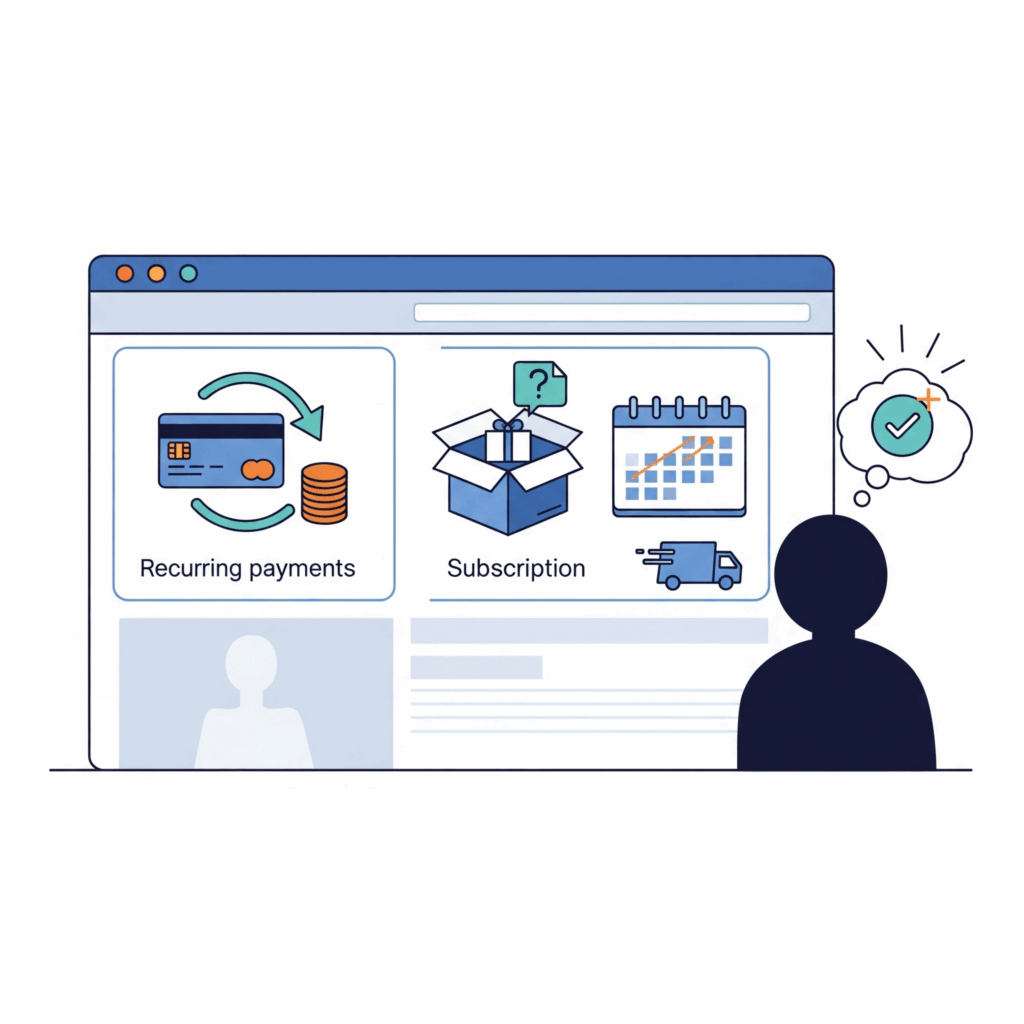
In recent years, subscription models have gained significant traction across various industries—from beauty and fashion to food and tech. This recurring revenue model is especially appealing in the e-commerce sector, offering benefits for both consumers and businesses. But is it the right fit for your online store? This blog explores the benefits, challenges, and key considerations to help you decide if a subscription-based model aligns with your e-commerce strategy.  Understanding Subscription Models in E-Commerce  A subscription model involves customers paying a recurring fee—monthly, quarterly, or annually—for regular deliveries of products or access to services. These can include curated boxes (like beauty or snack boxes), replenishment services (such as razors or vitamins), or access-based services (like premium content or member-exclusive discounts).  What makes subscription models so attractive is their ability to create long-term customer relationships and predictable revenue streams. Instead of constantly hunting for new customers, you build a loyal base that keeps returning each billing cycle.  Why Subscription Models Are So Popular  One major reason behind their popularity is consumer convenience. Subscription models save customers the hassle of repeated purchases. Instead of remembering to buy pet food every month, for example, customers receive it automatically, often at a discounted rate.  For businesses, the subscription model provides stability. Predictable income means more accurate inventory planning, cash flow forecasting, and marketing budgeting. It also fosters brand loyalty and deeper customer engagement, as subscribers interact with the brand regularly.  Benefits of Subscription Models for E-Commerce Stores  1. Predictable Revenue: Recurring payments allow for steady cash flow, which is particularly beneficial for small businesses trying to scale. Knowing how much revenue to expect helps with better business planning.  2. Improved Customer Retention: Subscription services often increase customer lifetime value (CLV). Rather than making a single purchase and leaving, subscribers remain engaged over longer periods, often leading to higher overall spending.  3. Personalized Experiences: With regular engagement, you can collect data on customer preferences and behavior. This allows you to tailor products and offers, enhancing the user experience and fostering stronger loyalty.  4. Easier Upselling and Cross-Selling: Subscribers are more receptive to trying new products or services from a brand they already trust. This makes upselling and cross-selling opportunities more effective and less intrusive.  Challenges to Consider Before Implementing  Despite the benefits, subscription models are not a one-size-fits-all solution. There are a few challenges you must be ready to address:  1. High Churn Rates: Keeping subscribers engaged over the long term is difficult. Customers may cancel due to a lack of perceived value, financial constraints, or delivery issues. Maintaining relevance is critical.  2. Operational Complexities: Managing recurring deliveries, inventory levels, and payments adds layers of complexity to your operations. You need robust systems in place to handle logistics smoothly.  3. Customer Fatigue: While novelty keeps subscribers excited initially, interest can wane over time. Without innovation or variety, customers may lose enthusiasm and cancel their plans.  4. Competitive Market: The market is saturated with subscription services. To stand out, your offering must be unique, compelling, and well-marketed.  Types of E-Commerce Subscription Models  1. Replenishment Subscriptions: Best for products with consistent, ongoing usage—like toiletries, pet food, or health supplements. Customers appreciate the convenience and usually stick around for a longer time.  2. Curation Subscriptions: Popular in fashion, beauty, and food industries, this model offers a personalized or surprise selection of products. While it has higher churn risks, the excitement factor can be a big draw.  3. Access Subscriptions: This model offers special member-only deals, content, or early product access. It works well for brands with loyal communities or premium offerings.  Is a Subscription Model Right for Your Store?  Before you jump in, ask yourself the following:  If you can confidently answer these questions, a subscription model might be a powerful addition to your e-commerce strategy.  How to Get Started  Conclusion  The subscription model is more than just a trend—it’s a transformative approach to building long-term customer relationships and stable revenue streams. But it’s not a guaranteed success for every e-commerce business. With thoughtful planning, consistent value delivery, and a customer-first approach, you can decide whether this model is the right step forward for your online store.  If your brand is ready for the commitment and opportunity that comes with a subscription offering, this could be the key to sustainable growth in a competitive e-commerce landscape. 
Online Store

Benefits of Using a One-Page Checkout for E-Commerce 

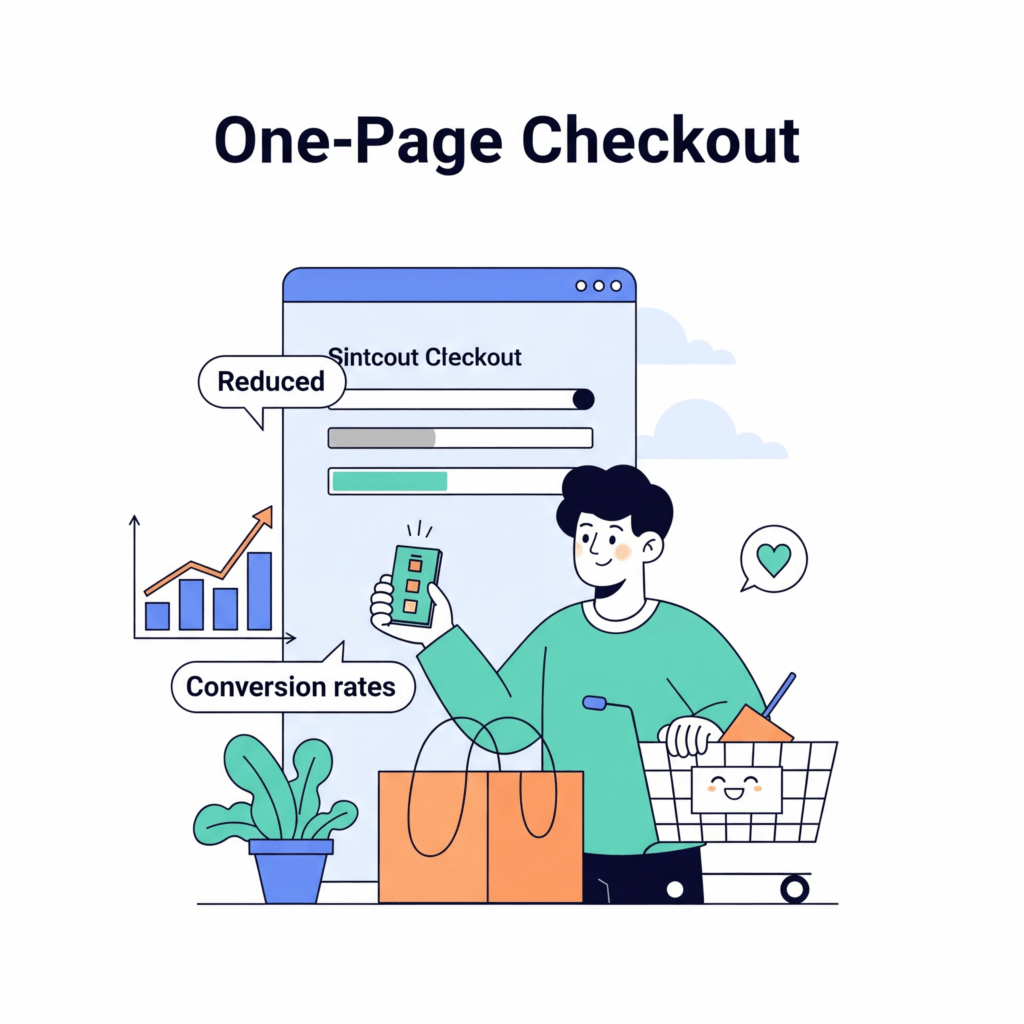
In the fast-paced world of online shopping, speed and simplicity are paramount. One critical area where e-commerce businesses can either win or lose a customer is the checkout process. A long, complex checkout can lead to cart abandonment, but a seamless one can convert hesitant browsers into loyal buyers. That’s where the one-page checkout comes in. This approach consolidates all the essential checkout steps—shipping details, billing information, and payment method—into a single page. Let’s explore why using a one-page checkout could be a game-changer for your e-commerce store.  1. Faster Checkout Process  Speed is everything in e-commerce. A one-page checkout significantly reduces the time it takes for a customer to complete a purchase. Traditional multi-page checkouts often require several clicks, reloads, and time-consuming transitions between steps. This delay increases the chances that a customer will second-guess their purchase or get distracted and abandon the cart altogether.  With a one-page format, everything is presented upfront. This not only streamlines the user experience but also ensures fewer interruptions, faster loading times, and a quicker path to payment—something that today’s digital-savvy consumers appreciate.  2. Lower Cart Abandonment Rates  According to Baymard Institute, the average cart abandonment rate is around 70%. A significant contributor to this is a complicated or lengthy checkout process. When customers encounter multiple pages or unexpected steps, they often get frustrated or lose interest.  One-page checkouts eliminate this issue by simplifying the experience. By showing all information on a single screen, customers can easily review and complete their purchase without additional clicks. This clear and concise presentation reduces friction, builds confidence, and encourages completion of the purchase.  3. Improved User Experience on Mobile  With mobile commerce (m-commerce) on the rise, optimizing the checkout for mobile users has become essential. Multi-page checkouts are not ideal for smaller screens and can require tedious scrolling and typing. This often leads to poor experiences and lost sales.  A one-page checkout, when designed responsively, fits perfectly on mobile devices. It reduces the need for scrolling and loading additional pages. Input fields can be optimized for touchscreens, and autofill features can further simplify the process. All of this contributes to a smoother mobile shopping experience—key to winning over today’s smartphone shoppers.  4. Greater Transparency and Trust  Transparency builds trust. A one-page checkout displays all the important details—items in the cart, shipping options, costs, and final price—upfront. Shoppers can quickly confirm their order without having to click “Next” multiple times just to see the total amount.  This transparency reduces surprises, such as hidden shipping fees or taxes at the last step, which are a common reason for cart abandonment. When shoppers see everything laid out clearly, they’re more likely to feel confident in proceeding with their order.  5. Enhanced Customization and Branding  A single-page layout provides more flexibility to customize the checkout experience according to your brand’s style and tone. You can tailor the colors, fonts, and content to match the rest of your site, ensuring a consistent look and feel throughout the buying journey.  Additionally, including trust signals like secure payment icons, money-back guarantees, and customer support contact options can reassure users. These elements can be easily integrated into a one-page layout to reinforce your store’s credibility.  6. Easier Tracking and Analytics  From a backend perspective, a one-page checkout can make tracking user behavior more straightforward. Since all the actions happen on a single page, it’s easier to analyze where users drop off, how they interact with each field, and which payment or shipping options they prefer.  This data can be invaluable for refining your checkout strategy. For example, if you notice a high abandonment rate after users interact with the shipping cost section, you can test offering free or flat-rate shipping to increase conversions.  7. Simplified Maintenance and Updates  Maintaining a multi-step checkout often requires complex coding and third-party integrations. It also increases the risk of bugs or issues at each step. A one-page checkout, on the other hand, is typically easier to manage and update.  Whether you’re integrating new payment gateways or adding upsell options, making changes to a single page reduces development time and ensures a smoother customer journey. For startups and small e-commerce businesses, this simplicity can save both time and money.  Conclusion  The one-page checkout isn’t just a design trend—it’s a powerful tool that enhances customer experience, reduces friction, and boosts conversion rates. As online shoppers continue to demand faster, easier, and more intuitive experiences, adopting a one-page checkout model could be the competitive edge your e-commerce store needs.  If you’re planning to improve your store’s checkout process, start by testing a one-page version. Monitor key metrics like abandonment rates, conversion rates, and customer satisfaction to measure its impact. In most cases, the results will speak for themselves: a smoother checkout equals happier customers—and more sales. 

Simplisell
Online Store

How AI Chatbots Can Improve Customer Experience on Your Store 

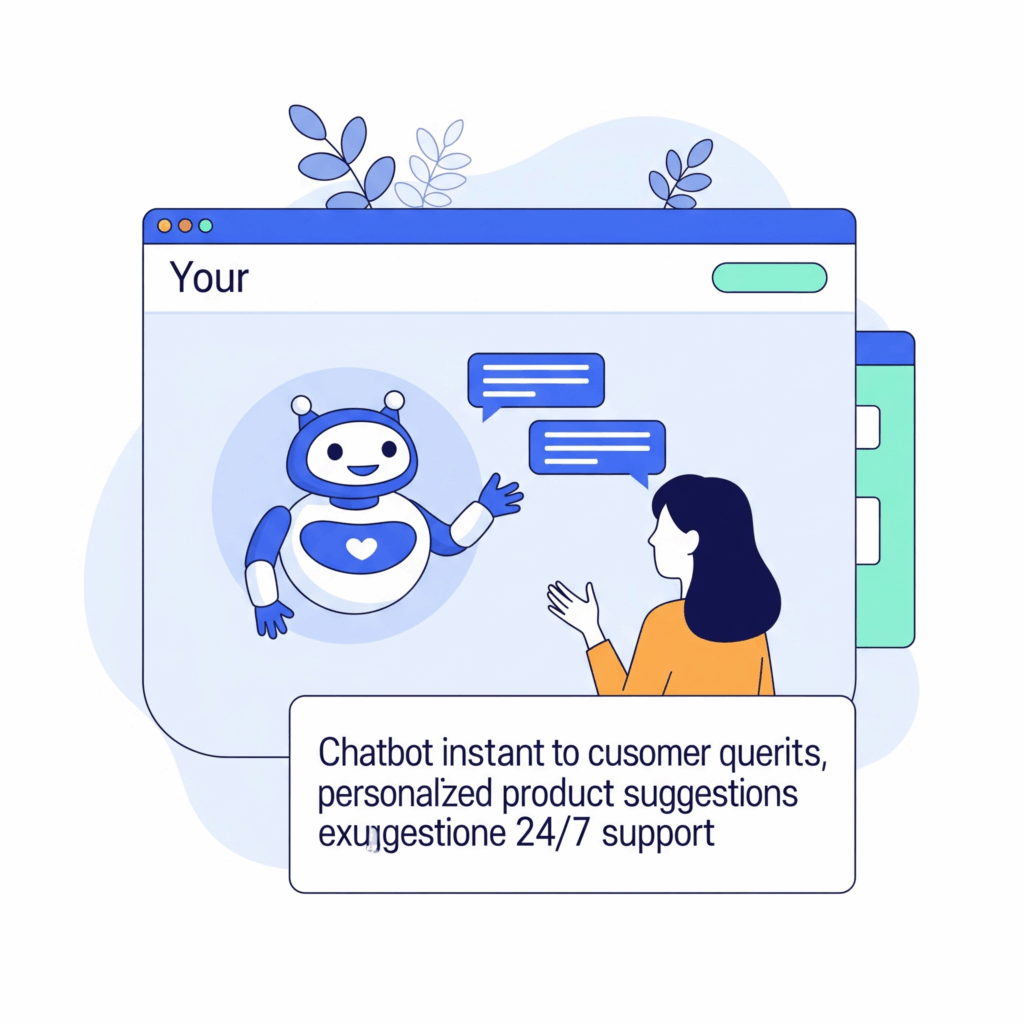
In today’s fast-paced digital world, customers expect instant responses and seamless experiences while shopping online. To meet these demands, e-commerce businesses are increasingly turning to AI-powered chatbots. These intelligent virtual assistants offer 24/7 support, personalized recommendations, and quick resolutions to customer queries — making them a game-changer for improving customer experience and boosting sales.  What Is an AI Chatbot?  An AI chatbot is a software program that uses natural language processing (NLP) and machine learning algorithms to simulate human-like conversations. These bots can handle various customer service tasks such as answering FAQs, providing product suggestions, tracking orders, and resolving issues — all without human intervention. Over time, they become smarter as they learn from customer interactions.  24/7 Customer Support  One of the biggest advantages of AI chatbots is round-the-clock availability. Unlike human agents who work limited hours, chatbots are always online. Whether it’s midnight or a public holiday, customers can get instant answers to their questions. This 24/7 support builds trust and reduces frustration, especially for global shoppers in different time zones.  Moreover, when customers receive help without having to wait in long queues or navigate complex menus, their satisfaction increases. Happy customers are more likely to complete purchases, leave positive reviews, and return to your store.  Instant and Efficient Problem Resolution  Speed is critical in online shopping. AI chatbots can resolve common queries — like return policies, payment issues, and delivery tracking — in seconds. This minimizes friction in the customer journey and prevents cart abandonment. For more complex problems, chatbots can seamlessly escalate the issue to a live agent, along with the conversation history, ensuring the customer doesn’t have to repeat themselves.  This efficiency not only enhances the user experience but also reduces the workload of human support teams, enabling them to focus on more specialized tasks.  Personalized Shopping Assistance  AI chatbots can also act as virtual shopping assistants by analyzing user data such as browsing history, preferences, and previous purchases. They can recommend products tailored to individual tastes, sizes, and budgets. This level of personalization mimics the in-store experience and helps online shoppers discover products more easily.  By offering curated suggestions, chatbots can significantly improve upselling and cross-selling opportunities, ultimately increasing the average order value.  Gathering Valuable Customer Insights  Every interaction between a chatbot and a customer provides data. This information can be used to understand customer behavior, identify frequently asked questions, and discover common pain points in your shopping journey. E-commerce businesses can leverage these insights to optimize their product listings, improve website navigation, and refine marketing strategies.  Additionally, chatbot analytics can help track conversion rates, response times, and user satisfaction scores — all of which are vital metrics for continuous improvement.  Reducing Cart Abandonment  According to studies, the global cart abandonment rate hovers around 70%. Many times, this is due to unanswered questions or uncertainty about products or policies. AI chatbots can engage users who are idle during checkout by offering assistance, applying coupon codes, or clarifying shipping details — helping to nudge them toward completing their purchase.  They can also send follow-up messages or emails reminding customers of items left in their carts, potentially recovering lost sales.  Cost-Effective Scalability  Hiring and training customer service representatives can be expensive, especially as your business grows. AI chatbots offer a cost-effective alternative by handling a large volume of queries simultaneously without compromising on quality. Whether you’re managing hundreds or thousands of daily visitors, chatbots ensure consistent and scalable customer support.  This makes them a great asset for startups and small businesses that want to provide enterprise-level service without breaking the bank.  Enhanced Multichannel Support  Customers interact with e-commerce brands across various platforms — websites, mobile apps, Facebook Messenger, WhatsApp, and more. AI chatbots can be integrated across these touchpoints, offering a unified and consistent experience wherever customers are. This omnichannel support strengthens your brand presence and meets customers where they already spend their time.  Final Thoughts  AI chatbots are transforming customer service in e-commerce by providing fast, personalized, and efficient interactions. They help businesses stay responsive, reduce operational costs, and create memorable shopping experiences that turn visitors into loyal customers. As online competition intensifies, implementing chatbot technology isn’t just a trend — it’s becoming a necessity.  If you’re looking to enhance your store’s customer experience, improve conversions, and streamline support, it’s time to consider integrating an AI chatbot. Your customers — and your bottom line — will thank you. 

Simplisell
Online Store

Using Scarcity and Urgency to Boost E-Commerce Sales

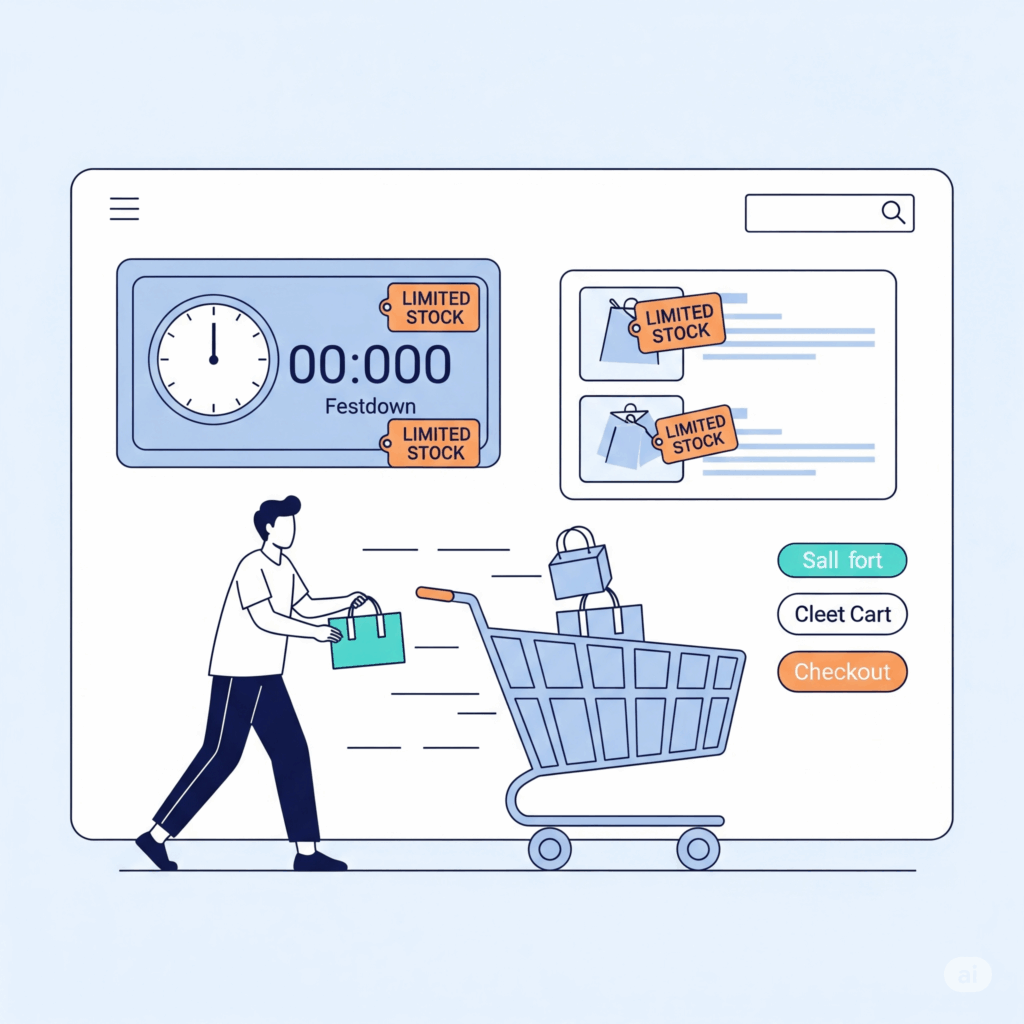
In a crowded e-commerce marketplace, the key to standing out and converting browsers into buyers often lies in mastering psychological triggers. Two of the most powerful triggers you can leverage are scarcity and urgency. These tactics play on the fear of missing out (FOMO) and can significantly impact consumer behavior when used strategically and ethically. Understanding Scarcity and Urgency Scarcity is the principle that limited availability of a product increases its perceived value. When customers know a product is available in limited quantities, they feel more compelled to purchase before it’s gone. Think of phrases like “Only 3 left in stock” or “Limited edition”—they create a sense of exclusivity. Urgency, on the other hand, relates to time-sensitive offers. It encourages quick action by reminding shoppers that they must act fast or miss out. Phrases such as “Ends in 2 hours!” or “Flash Sale Today Only!” exemplify urgency in e-commerce. Both scarcity and urgency tap into our primal instincts to act quickly when we perceive a potential loss—this is what makes them so effective in boosting e-commerce sales. Why Scarcity and Urgency Work These tactics aren’t just marketing fluff—they’re backed by psychological studies and behavioral economics. The scarcity heuristic tells us that people place higher value on items that are perceived as rare. Similarly, the concept of loss aversion (a principle from behavioral economics) reveals that people are more motivated by the fear of losing something than the pleasure of gaining something. When done right, scarcity and urgency can: Tactics to Create Scarcity Tactics to Build Urgency Combining Scarcity and Urgency for Maximum Impact While both tactics work well individually, combining them creates a powerful one-two punch. For instance: These messages communicate both limited availability and limited time, forcing the shopper to make a quicker decision without overthinking. Best Practices for Using Scarcity and Urgency Final Thoughts In the hyper-competitive world of e-commerce, every edge counts. Scarcity and urgency are time-tested marketing strategies that, when used authentically, can skyrocket your conversions and enhance the shopping experience. By integrating real-time data, keeping your offers honest, and testing what works best for your audience, you can create high-converting campaigns that not only boost sales but also build credibility. Start small—test a countdown timer or show your stock levels—and watch how these psychological triggers turn hesitant browsers into committed buyers.

Simplisell
Online Store

How to Prepare Your Online Store for Seasonal Sales 

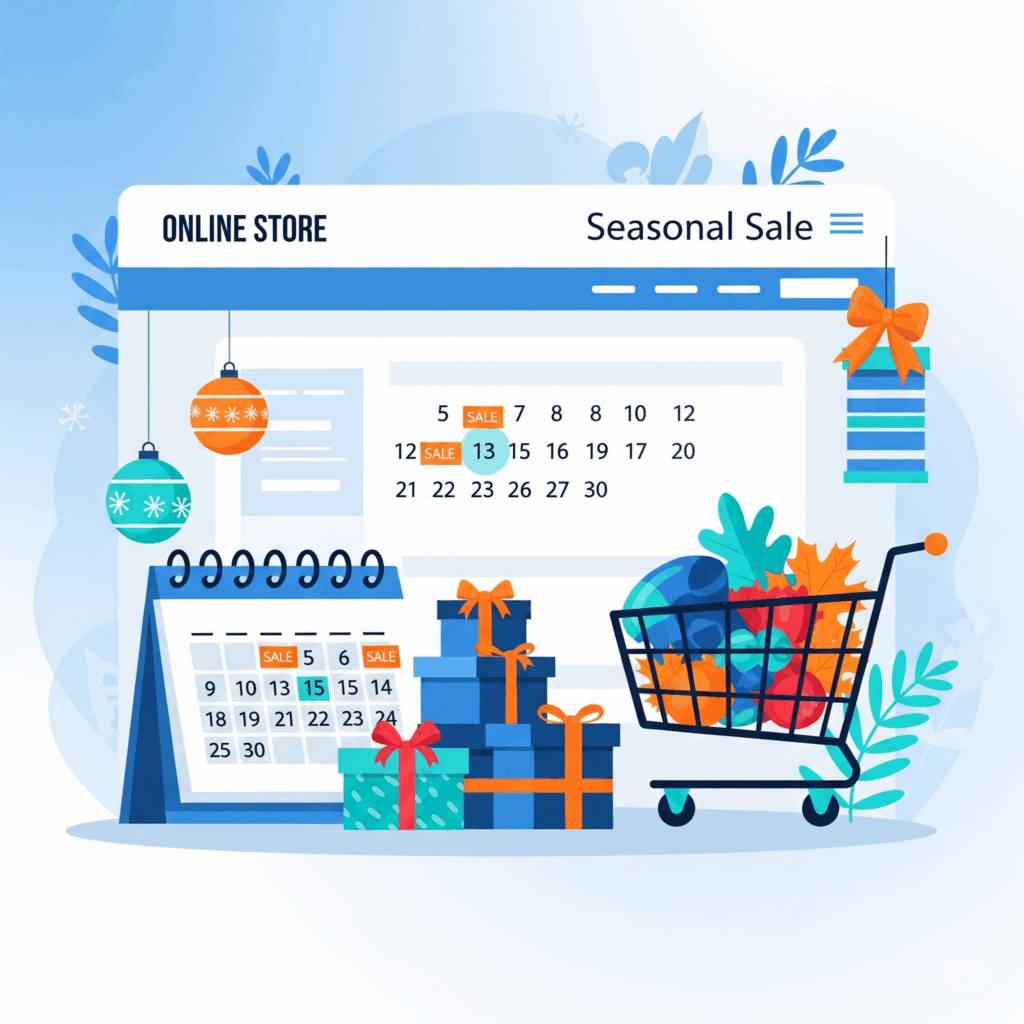
Seasonal sales present a golden opportunity for e-commerce businesses to significantly boost revenue, attract new customers, and create lasting brand loyalty. Whether it’s Diwali, Christmas, Black Friday, or New Year’s, customers are already in the buying mood — all you need to do is prepare your online store to meet their expectations and stand out from the competition. Let’s explore key steps and strategies to make your store seasonal-sale-ready and maximize profits.  1. Plan Ahead and Set Clear Objectives  The success of your seasonal sales campaign lies in thorough planning. Don’t wait until the last minute to start preparing your store. Begin at least 6-8 weeks in advance.  Set specific goals for the sales period — for example, you may want to increase traffic by 30%, double your conversion rate, or clear old inventory. Your objectives will guide every part of your campaign, from product selection to marketing channels.  Also, research seasonal trends and consumer behavior from previous years. Use this data to decide what products to promote, which offers to create, and how to price them competitively.  2. Optimize Your Website for High Traffic  When a sale goes live, your website will likely experience a surge in traffic. If it’s slow, unresponsive, or crashes, customers will abandon carts and head to competitors. Make sure your site is technically sound and optimized for performance.  Conduct a full website audit to check loading speed, mobile responsiveness, broken links, and user experience. A clean and efficient layout helps customers navigate quickly and buy with ease. Ensure your server can handle high traffic volume, and consider using a CDN (Content Delivery Network) to enhance speed.  3. Create Eye-Catching Promotions and Landing Pages  Your promotions need to be compelling and clearly communicated. Use bold, attractive banners across your homepage and product categories to advertise discounts, limited-time offers, and bundled deals.  Create dedicated landing pages for your seasonal campaigns that highlight bestsellers, offer filters for easy navigation, and use urgency tactics like countdown timers or “only X left in stock” messages. These visual and strategic cues can dramatically improve conversions.  4. Stock Up and Organize Inventory  Inventory management is crucial for seasonal sales. Analyze your sales data to predict demand and stock up on high-performing products. Coordinate with your suppliers early to ensure timely restocking.  Clearly label products that are limited in quantity or likely to sell fast. Also, identify slow-moving stock and bundle them with popular items to clear inventory while increasing perceived value.  Organize your warehouse and logistics operations to process orders efficiently and avoid shipment delays.  5. Upgrade Your Checkout Process  A long or confusing checkout process can kill conversions. Streamline it by minimizing the number of steps, offering guest checkout, and supporting multiple payment methods (credit/debit cards, wallets, UPI, etc.).  Be transparent about delivery timelines, return policies, and any additional charges. Customers want clarity and convenience, especially during high-stress shopping seasons. Consider integrating express shipping options or holiday gift-wrapping services to add value.  6. Launch a Multi-Channel Marketing Campaign  A powerful seasonal sale demands visibility. Use every relevant channel to promote your campaign:  The goal is to be everywhere your customers are — and nudge them towards your store.  7. Provide Responsive Customer Support  High sales volumes often come with more customer queries. Prepare your support team to handle this spike in inquiries. Train them on promotions, shipping policies, and how to handle complaints or refunds quickly.  Integrate a chatbot on your website to address FAQs 24/7. Make sure your contact details and help sections are easily accessible, and respond promptly on social media to maintain brand trust and customer satisfaction.  8. Test and Track Everything  Before going live, test every part of your campaign — from promo codes and checkout flows to email automation and mobile usability. A single broken link or failed payment gateway can hurt your sales and reputation.  During the campaign, monitor your KPIs in real-time: conversion rate, bounce rate, cart abandonment, most viewed products, etc. Use analytics tools like Google Analytics or Shopify’s dashboard to understand customer behavior and make quick adjustments as needed.  9. Post-Sale Follow-Up  Your job doesn’t end when the sale does. Use post-sale communication to turn one-time buyers into repeat customers.  Send thank-you emails, request reviews, or offer exclusive “next purchase” coupons. Ask for feedback to improve your future campaigns and build trust.  You can also segment buyers based on their behavior during the sale to retarget them later with relevant offers and personalized content.  Conclusion  Seasonal sales are more than just discount events — they are powerful opportunities to connect with customers, build brand loyalty, and grow revenue. By planning early, optimizing your store experience, promoting smartly, and offering exceptional customer service, you can create a seamless and profitable sales campaign that keeps shoppers coming back every year.  Start preparing now and make your next seasonal sale your biggest success yet! 

Simplisell
Online Store

Mistakes to Avoid When Launching Your First E-Commerce Store

The e-commerce industry has seen explosive growth over the past decade, providing a unique opportunity for entrepreneurs to start businesses online. However, launching your first e-commerce store is no small feat—it involves far more than just setting up a website and listing products. Many first-time store owners make critical mistakes that can slow growth, hurt conversions, or even lead to business failure. In this blog, we’ll highlight some of the most common mistakes and how to avoid them to ensure a smoother journey toward online success. 1. Skipping Market Research One of the most fundamental mistakes new e-commerce entrepreneurs make is diving in without fully understanding their target market. It’s tempting to assume that your product is great and that customers will flock to it—but without proper market research, you’re essentially flying blind. Take time to analyze customer needs, competitors, trends, and gaps in the market. Use tools like Google Trends, keyword research, and competitor analysis platforms to validate your idea and identify how your store can stand out. Knowing your niche and audience allows for better product development, messaging, and marketing strategies. 2. Choosing the Wrong E-Commerce Platform The foundation of your online store is the platform it’s built on. Many first-timers choose a platform based on popularity or cost without considering functionality, scalability, or ease of use. If your platform doesn’t support key features—like SEO optimization, mobile responsiveness, or integrations with payment gateways—you could find yourself limited later. Consider platforms like Shopify, WooCommerce, or BigCommerce based on your technical comfort, product range, and customization needs. Look for one that supports your business model and provides room for growth. 3. Neglecting Website Design and User Experience (UX) In the online world, your website is your storefront. Poor navigation, slow load times, cluttered layouts, and unresponsive design can instantly drive visitors away. A common mistake is underestimating the importance of user experience. Invest in clean, intuitive website design that’s mobile-friendly and easy to navigate. Ensure your site has a clear product hierarchy, smooth checkout process, and fast loading speeds. A good UX keeps potential buyers engaged and increases the chances of conversion. 4. Weak Product Descriptions and Imagery Unlike brick-and-mortar stores, e-commerce customers can’t touch or try the product. That makes your product images and descriptions incredibly important. Many first-time sellers use low-quality photos or vague descriptions, which can hurt credibility and sales. Use high-resolution images that show the product from multiple angles. Pair this with compelling, informative descriptions that highlight features, benefits, and use cases. This builds trust and helps customers make confident purchase decisions. 5. Ignoring SEO and Content Marketing Another major oversight is launching a store without a plan for driving traffic. Relying solely on paid ads or waiting for customers to “find” your site is a recipe for disappointment. SEO and content marketing are long-term strategies that bring in organic traffic and build brand authority. Start by optimizing your site for search engines—use keyword-rich titles, meta descriptions, alt text for images, and an internal linking structure. Consider a blog to educate your audience, improve SEO, and establish trust. 6. Underestimating the Importance of Customer Support Great customer service is one of the few things that can truly differentiate your store in a crowded market. Yet, many new store owners neglect to put proper customer support systems in place. This can result in frustrated customers, bad reviews, and missed opportunities. Offer multiple support channels like live chat, email, and FAQs. Make sure response times are quick and that your support team is trained to resolve issues efficiently. Happy customers become repeat buyers and brand advocates. 7. Inadequate Planning for Shipping and Fulfillment Logistics can make or break an e-commerce business. First-time sellers often forget to calculate shipping costs properly or lack a clear fulfillment strategy. This leads to delayed deliveries, increased costs, or negative customer experiences. Decide whether you’ll handle fulfillment in-house, use dropshipping, or partner with third-party logistics providers. Be transparent about shipping times and costs on your website. Offering reliable, trackable delivery can significantly boost customer satisfaction. 8. No Strategy for Cart Abandonment Cart abandonment is a reality in e-commerce, with rates often exceeding 70%. Unfortunately, many new stores have no plan to recover these lost sales. Simple tweaks and strategies can make a huge difference. Use cart abandonment emails to remind customers of their pending purchases. Offer limited-time discounts or free shipping to entice completion. Streamline the checkout process to reduce friction, and allow guest checkout to avoid unnecessary drop-offs. 9. Overlooking Analytics and Testing Launching a store is only the beginning. Without tracking performance and testing new strategies, you won’t know what’s working and what needs improvement. Too often, new store owners ignore metrics and miss out on opportunities to optimize. Integrate tools like Google Analytics, Hotjar, and Facebook Pixel to monitor traffic, behavior, and conversion rates. Use A/B testing to improve product pages, CTAs, or layouts. Data-driven decisions lead to smarter growth. 10. Trying to Do Everything Alone Finally, one of the most exhausting mistakes is trying to handle every aspect of the business yourself. From web design to marketing to inventory management—doing it all can lead to burnout and inefficiencies. Consider outsourcing or hiring freelancers for tasks outside your expertise. Use automation tools for email marketing, inventory tracking, and customer relationship management. Focus your time on strategy and growth. Conclusion Launching your first e-commerce store is a thrilling endeavor, but success comes from careful planning and avoiding common missteps. By staying informed, focusing on the customer experience, and using data to guide your efforts, you can create a store that not only survives but thrives in today’s digital marketplace. Avoid these pitfalls and position your brand for sustainable growth from the very start.

Simplisell
Online Store

Creating an Exceptional Checkout Experience to Reduce Cart Abandonment

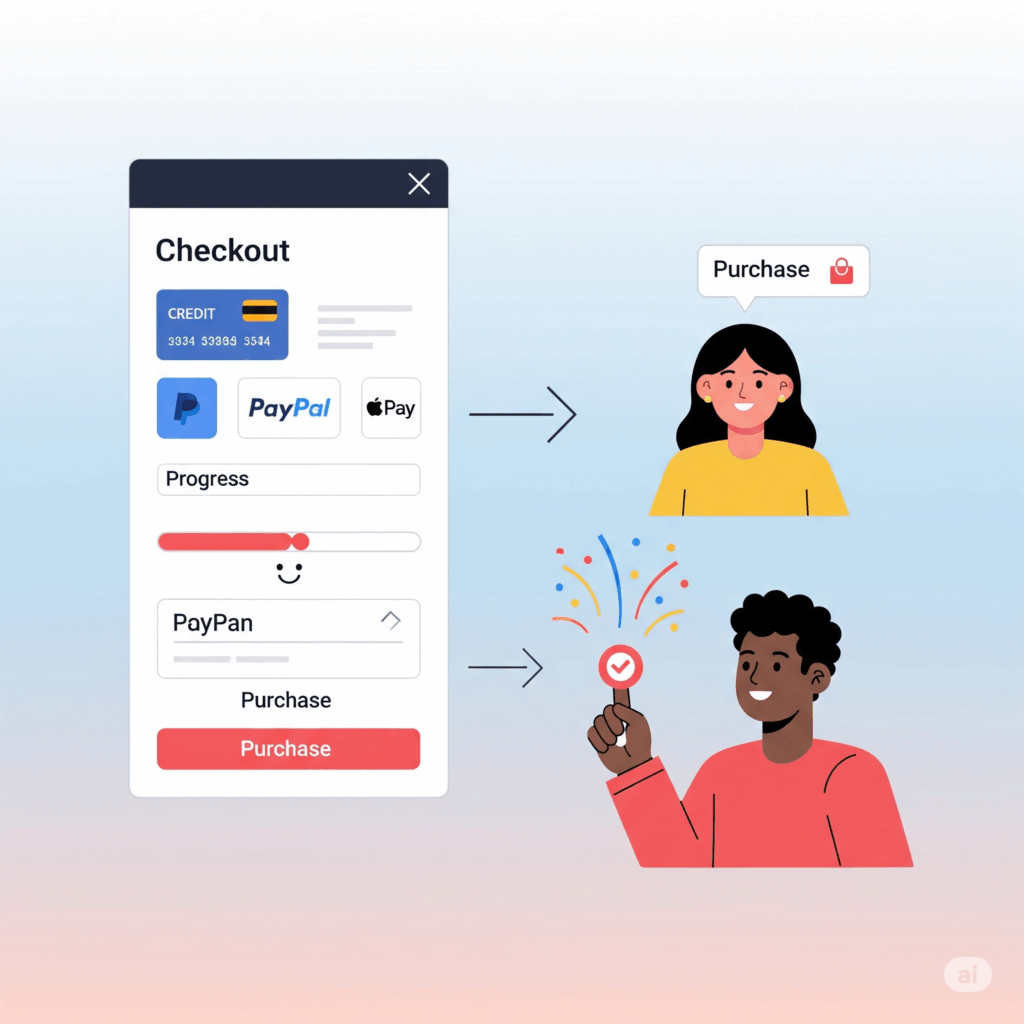
In the fast-paced world of e-commerce, one of the most critical hurdles online retailers face is cart abandonment. According to Baymard Institute, the average cart abandonment rate is nearly 70%, meaning that for every 10 customers who add a product to their cart, only 3 complete the purchase. While many factors contribute to this phenomenon, a poor checkout experience often lies at the heart of it. If your checkout process is confusing, time-consuming, or lacks trust signals, even the most interested buyers may walk away. This blog explores actionable strategies to create a smooth and exceptional checkout experience to reduce cart abandonment and boost conversions.  1. Simplify the Checkout Process  The more steps involved in checking out, the higher the chances of users abandoning their carts. A complicated, multi-page checkout often frustrates users, especially mobile shoppers.  To address this, aim for a single-page checkout or reduce the number of form fields required. Ask only for essential information such as name, shipping address, payment method, and email. Autofill capabilities and guest checkout options can also speed up the process and keep the user journey frictionless. Streamlining the experience respects your customer’s time and encourages them to follow through.  2. Offer Guest Checkout  Many e-commerce websites force users to create an account before purchasing, which can be a significant barrier for first-time buyers. Offering a guest checkout option eliminates this friction and increases the chances of completing the purchase.  Later in the confirmation stage, you can provide users with the option to save their details and create an account with one click. This way, you still open the door to customer retention without compromising the initial sale.  3. Display Trust Signals Clearly  Online shoppers are often wary of entering sensitive information like credit card details on unfamiliar websites. Therefore, it’s vital to build trust by using recognizable and secure payment gateways, SSL certificates, and visible security badges like Norton Secured or McAfee Secure.  Also, include customer reviews, testimonials, and clear return policies on the checkout page. These reassurances serve as confidence boosters and can significantly reduce buyer hesitation.  4. Provide Multiple Payment Options  Different customers have different payment preferences. Limiting your payment methods to only one or two options can turn away potential buyers. To appeal to a broader audience, offer a variety of payment choices, such as credit/debit cards, digital wallets (e.g., Google Pay, Apple Pay), Buy Now, Pay Later options (like Klarna or Afterpay), and even UPI or net banking for Indian consumers.  Having multiple options increases the likelihood that a customer will find their preferred method and complete the purchase.  5. Use Progress Indicators  When a checkout process spans multiple steps, customers want to know how far along they are. A visible progress bar or step-by-step indicator helps set expectations and makes the process feel manageable.  It also reduces anxiety by showing users that there’s an end in sight and how many steps are left. This simple design element can reduce abandonment due to uncertainty.  6. Optimize for Mobile Devices  With mobile commerce growing rapidly, your checkout process must be mobile-friendly. A poorly designed mobile checkout, such as small buttons, hard-to-read text, or cumbersome navigation, can lead to frustration and abandonment.  Make sure your checkout page is responsive, loads quickly, and uses touch-friendly UI elements. Mobile users should be able to complete the purchase in just a few taps.  7. Be Transparent About Costs  Unexpected costs are one of the biggest reasons for cart abandonment. Customers may add products to their cart expecting a certain price, only to be surprised by additional shipping, tax, or service fees at the final step.  Always display a full cost breakdown before checkout, including shipping and taxes. Better yet, offer free shipping thresholds or flat-rate shipping to simplify decision-making.  8. Enable Cart Saving and Reminders  Sometimes, users abandon their carts with the intention to return later. By enabling cart saving features and sending cart reminder emails or push notifications, you gently nudge these users back to complete the purchase.  Personalized reminders, perhaps with a limited-time discount, can significantly boost recovery rates and show customers you value their interest.  9. Test and Improve Continuously  Your checkout page is not a one-time setup—it should be continuously optimized based on user behavior. Use analytics tools like Google Analytics or Hotjar to track where users drop off and A/B test different elements like button placements, copy, colors, or page layouts.  By understanding user behavior and testing new strategies, you can evolve your checkout process into a conversion powerhouse.  10. Add Post-Purchase Upsells and Confirmation  Once a customer completes the checkout, don’t let the experience stop there. A seamless post-purchase flow—like offering relevant product recommendations, referral incentives, or discount codes for the next purchase—adds more value and can turn one-time buyers into loyal customers.  Additionally, make sure the order confirmation page is clean, informative, and reassuring, including expected delivery dates and customer support contact details.  Conclusion  An exceptional checkout experience is no longer optional in today’s competitive e-commerce landscape. With so many choices available, shoppers won’t hesitate to leave a site that makes the buying process difficult. By simplifying the checkout journey, building trust, offering flexible payment methods, and ensuring transparency, you can drastically reduce cart abandonment and improve customer satisfaction.  Remember, the final step of the purchase is also your last chance to leave a great impression—make it count. 
Online Store

The Importance of Reviews and Testimonials in E-Commerce

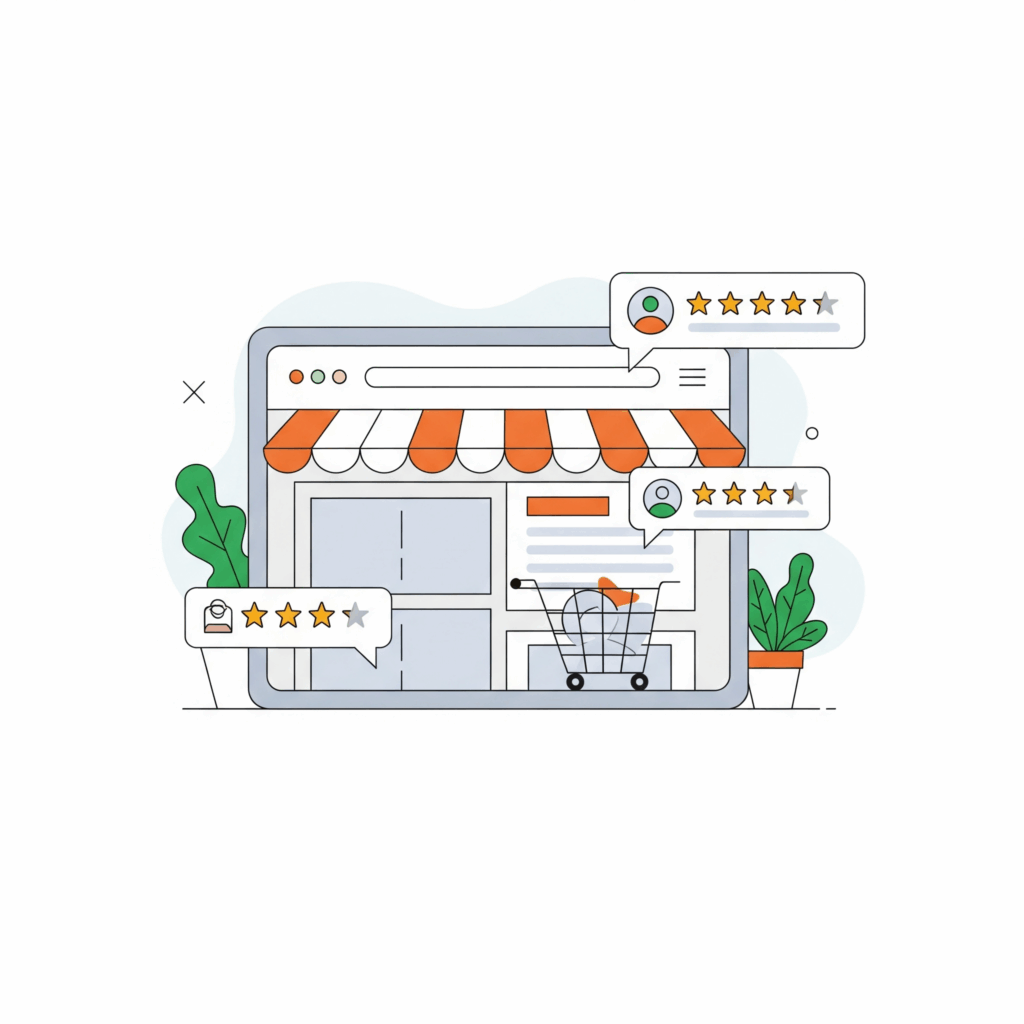
In today’s highly competitive e-commerce landscape, gaining customer trust is more than just offering quality products or having a sleek website. One of the most influential factors that determine whether a shopper makes a purchase is social proof — and at the core of this are reviews and testimonials. These elements act as digital word-of-mouth, offering reassurance and helping potential buyers make informed decisions.  Why Reviews and Testimonials Matter  Online shoppers don’t get the luxury of touching, feeling, or trying out products before they purchase. This limitation increases uncertainty and risk, especially for first-time buyers. Reviews and testimonials reduce that uncertainty by showing real experiences from previous customers. According to a BrightLocal survey, 92% of consumers read online reviews before making a purchase, and 88% trust them as much as personal recommendations.  Moreover, testimonials and reviews serve as critical indicators of credibility. When a product page has several honest, thoughtful reviews — both positive and negative — it feels authentic. This authenticity builds trust, which can significantly influence conversion rates.  Building Trust Through Transparency  Displaying reviews openly, even those with constructive criticism, signals transparency. Many e-commerce businesses shy away from publishing negative feedback, fearing it might deter customers. However, showing only perfect 5-star ratings can seem suspicious. A mix of reviews — when handled professionally — can actually enhance credibility. It shows that your business values feedback and is open to improvement.  Additionally, featuring customer testimonials — whether on landing pages, product pages, or in email campaigns — adds a human touch to your brand. Real stories and voices validate your brand’s promises and help new customers envision themselves having a similarly positive experience.  Boosting SEO and Website Engagement  Reviews don’t just help customers — they benefit search engine optimization (SEO) too. Every time a customer writes a review, they add unique content to your product page. These user-generated keywords can improve your search rankings organically, especially for long-tail search terms. Furthermore, fresh reviews signal to search engines that your site is active and relevant.  From an engagement standpoint, reviews extend time on page. Users often scroll through reviews to look for relatable experiences or specific product insights, keeping them on your site longer — which is a positive signal to search engines.  Influencing Purchasing Decisions  Customers are more likely to purchase a product that has strong ratings and detailed testimonials. A study by Spiegel Research Center found that products with five or more reviews are 270% more likely to be purchased than those without reviews. The numbers are even more significant for higher-priced items, where trust and assurance play a bigger role.  Additionally, verified reviews can help reduce return rates. When shoppers understand exactly what to expect — thanks to detailed reviews about sizing, color accuracy, shipping times, or quality — they make more informed decisions, leading to fewer surprises and disappointments.  Encouraging and Collecting Customer Feedback  Encouraging your customers to leave reviews should be a part of your post-purchase strategy. A simple follow-up email with a direct link to a review form can significantly increase participation. Offering small incentives, like a discount on the next purchase or entry into a giveaway, can also help boost review volume.  Another tactic is to make the process of leaving a review easy and mobile-friendly. Whether it’s rating with stars, writing comments, or uploading pictures, reducing friction increases the likelihood that a satisfied customer will share their experience.  Managing Negative Reviews Professionally  Negative reviews are inevitable — but they don’t have to be harmful. How your business responds to criticism speaks volumes. Addressing issues promptly and publicly shows accountability and a customer-first mindset. If you resolve problems efficiently, sometimes even dissatisfied customers update their reviews positively, turning a poor experience into a loyal relationship.  Additionally, consistently monitoring reviews can reveal product or service issues that need fixing. It’s essentially free feedback that can lead to real business improvements.  Showcasing Testimonials Strategically  Use powerful testimonials in multiple places across your site: on your homepage, within product pages, or in social proof sections like “What Our Customers Are Saying.” Video testimonials, in particular, carry even more impact as they add face, voice, and emotion to the message.  Segment testimonials based on customer type (first-time buyer, repeat customer, bulk buyer, etc.) and feature them contextually. For instance, if you’re targeting a specific industry or demographic, place reviews from similar customers front and center to improve relatability.  Final Thoughts  In e-commerce, trust is the currency of conversion — and reviews and testimonials are among the most effective tools to build that trust. They reassure hesitant buyers, offer insight into your product’s value, and contribute to higher engagement and search visibility. By actively collecting, showcasing, and managing reviews and testimonials, you not only enhance customer confidence but also create a loyal community around your brand.  Start leveraging reviews today — because your customers’ voices are your brand’s most powerful marketing tool. 

Online Store

How to Build Trust with First-Time Visitors to Your Online Store 

In the world of e-commerce, first impressions are everything. When a visitor lands on your website for the first time, they’re not just browsing—they’re silently asking themselves, “Can I trust this brand with my money?” If your site doesn’t immediately signal trust, credibility, and professionalism, that visitor will likely bounce and never return.  Building trust with first-time visitors is crucial because trust is the foundation of every online purchase. Unlike physical stores, online shoppers can’t feel your product or speak to a salesperson. Their decision to buy—or not—is based entirely on the digital experience you provide.  In this blog, we’ll explore effective ways to build trust with new visitors and turn them into paying, loyal customers.  1. Have a Clean, Professional Website Design  Your website is your storefront. Just as a messy, poorly lit shop would drive away customers in the real world, a cluttered or unprofessional website does the same online.  How to Make a Strong First Impression:  Even without consciously realizing it, users judge your business by your design. A smooth, intuitive, and visually appealing site immediately suggests reliability.  Platforms like Simplisell help you create professional-looking e-commerce stores without the need for designers or developers—making it easier for new sellers to look credible from day one.  2. Display Social Proof: Reviews, Testimonials, and UGC  Nothing builds trust faster than seeing real people vouch for your brand. Social proof reassures first-time visitors that others have bought from you and had a good experience.  Ways to Add Social Proof:  Make sure your reviews look authentic, are easy to find, and highlight both positive and constructive feedback to build credibility.  3. Use Clear, Transparent Policies  Transparency builds trust. When visitors can easily understand your shipping, return, and privacy policies, they feel safer doing business with you.  Key Policies to Highlight:  Place these policies in the footer or accessible links on product pages. Be upfront—it reduces friction and customer hesitation.  4. Show Real Contact Information and Business Identity  Shoppers want to know that there’s a real business behind the website. A faceless or anonymous brand can raise red flags.  Establish Your Identity:  The more human your brand feels, the more comfortable visitors will be making their first purchase.  5. Secure Your Website with HTTPS and Trust Badges  Security is a major concern for online shoppers—especially those entering card details. First-time visitors need to know that their information is protected.  Tips for Securing Trust:  A secure site not only protects your business but also encourages users to complete the checkout process with confidence.  6. Offer a Guarantee or Risk-Free Purchase  People hesitate to buy when they feel the risk is too high. By offering a satisfaction guarantee or easy return policy, you eliminate that fear.  Some common ways to do this:  Highlight your guarantee on product pages, in banners, or during checkout to boost confidence at the most critical point of decision-making.  7. Showcase Awards, Certifications, and Media Mentions  If your product or brand has been featured in media, received certifications, or won awards, don’t be shy—display it proudly.  Trust Indicators Could Include:  These external validations reassure users that your brand is trustworthy and credible.  8. Invest in Fast, Friendly Customer Support  Trust isn’t just built during the shopping experience—it’s also earned after the sale. Excellent customer support shows that you care and that customers can rely on you.  Make it easy for first-time visitors to:  A fast, empathetic response can often turn an uncertain visitor into a loyal customer.  Final Thoughts  Trust is the most important currency in e-commerce. Without it, even the best products won’t sell. By focusing on transparency, social proof, great design, and human connection, you can turn first-time visitors into first-time buyers—and eventually loyal fans.  If you’re launching a new e-commerce store and want to start with a trustworthy foundation, Simplisell makes it easy. From mobile-optimized design to integrated trust features and secure payment options, Simplisell helps you look credible from day one—no coding or tech team required.  Ready to launch your online store and win trust from the first click? Get started now at Simplisell.in 

Online Store

Why Mobile Commerce Is the Future of Online Shopping 

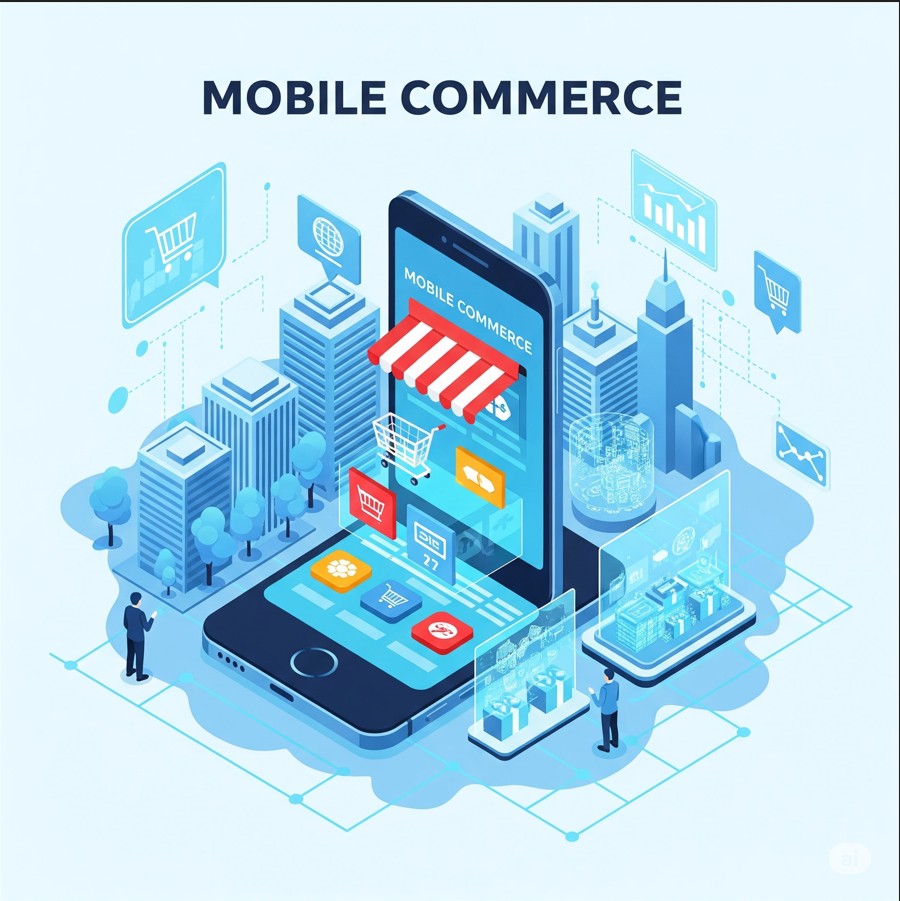
In today’s fast-paced digital world, convenience is everything. Consumers no longer want to be tied to a desktop or wait until they get home to make a purchase. Instead, they want the freedom to browse, compare, and buy—right from the palm of their hand. This shift in behavior has led to the explosive growth of mobile commerce, or m-commerce, and it’s clear that it’s not just a trend—it’s the future of online shopping.  With smartphones becoming more powerful and internet access more widespread, mobile commerce is reshaping the way consumers and businesses interact. For e-commerce brands, especially small and emerging ones, optimizing for mobile is no longer optional—it’s essential.  Let’s explore why mobile commerce is growing so rapidly and why your business should prioritize it now.  Mobile Usage Is at an All-Time High  One of the biggest drivers behind the mobile commerce boom is the sheer number of people using smartphones. According to recent studies, over 70% of internet users access the web via mobile devices. From Gen Z to baby boomers, nearly everyone carries a smartphone—and they’re using it to shop.  Whether it’s browsing new arrivals during a commute, placing an order while watching TV, or checking out with a few taps during a lunch break, shopping has become a mobile-first experience.  What does this mean for businesses? If your e-commerce store isn’t mobile-optimized, you’re likely losing potential customers every single day.  The Rise of Mobile Shopping Apps and Social Commerce  Another key factor driving mobile commerce is the rise of shopping apps and social commerce. Platforms like Instagram, Facebook, Pinterest, and TikTok have integrated shopping features that allow users to discover and purchase products without ever leaving the app.  These platforms have become digital marketplaces where users are constantly exposed to new products through influencers, ads, and brand content. The path from discovery to purchase is shorter, smoother, and more spontaneous—perfect for mobile users.  Even businesses that don’t have a mobile app can take advantage of this trend by integrating with social platforms and offering mobile-friendly checkouts, product tagging, and seamless user experiences.  Mobile Payments Are Becoming the Norm  The growth of mobile commerce is also being fueled by the rise in mobile payment options. From digital wallets like Apple Pay, Google Pay, and Paytm to UPI and buy-now-pay-later (BNPL) solutions, customers have more payment flexibility than ever before.  These payment options make checkout faster, safer, and more convenient, reducing friction and boosting conversions. They eliminate the need to enter card details manually, a process that often causes cart abandonment on mobile.  When your e-commerce store supports these methods, you cater to modern consumer preferences and increase the likelihood of completed purchases.  Mobile Commerce Offers a Personalized Shopping Experience  Mobile devices open the door for hyper-personalized shopping experiences. With access to real-time data, businesses can tailor product recommendations, offer location-based promotions, and send personalized push notifications or SMS reminders.  This kind of personalization makes customers feel seen and understood, which in turn boosts loyalty and lifetime value. Compared to desktop users, mobile shoppers are more likely to respond to time-sensitive offers or flash sales when prompted on their phones.  Leveraging personalization tools can help e-commerce stores deliver memorable and effective customer experiences directly through mobile channels.  Better Technology = Better Mobile Experiences  Today’s mobile websites and apps are no longer limited in design or functionality. Thanks to responsive design, progressive web apps (PWAs), and fast-loading pages, businesses can create fast, seamless, and visually stunning mobile shopping experiences.  These improvements address one of the key reasons people previously hesitated to shop on their phones: poor usability. Now, with intuitive navigation, optimized images, simplified menus, and one-click checkouts, customers enjoy a smooth journey from product discovery to payment.  With platforms like Simplisell, even first-time sellers can create mobile-optimized stores that look professional, load fast, and convert better—without needing to hire a developer.  Mobile Is Critical for Local and On-the-Go Shopping  Mobile commerce is especially powerful for location-based or impulse purchases. Consumers often search for products or stores “near me,” look up reviews while in-store, or make last-minute purchases from their phones.  For example, a customer might see a product on Instagram, check the price and reviews, and purchase it within minutes—all without opening a laptop. This kind of spontaneous behavior is common in mobile commerce and highlights the importance of having a store that’s always accessible.  If your mobile site is slow, cluttered, or hard to navigate, you risk losing that customer forever.  Mobile Commerce Is Scalable and Affordable  Unlike setting up physical stores or even traditional desktop-focused e-commerce sites, mobile commerce is scalable with relatively low investment. Platforms like Simplisell allow businesses to launch their mobile-ready online stores in under 5 minutes.  You don’t need a large team, technical knowledge, or big marketing budgets to start selling online. With the right tools and a mobile-first mindset, even solopreneurs and small businesses can compete with larger brands.  As your customer base grows, your mobile store grows with it—automatically adapting to different devices, customer preferences, and shopping behaviors.  Final Thoughts  Mobile commerce is no longer the future—it’s the present, and it’s evolving rapidly. With mobile traffic accounting for the majority of online shopping and consumers increasingly expecting fast, responsive, and personalized experiences, e-commerce businesses must put mobile at the center of their strategy.  If you’re just getting started or looking to optimize your e-commerce operations, Simplisell offers everything you need to build a mobile-friendly store that drives sales. From seamless checkout to mobile integrations and fast performance, Simplisell helps you sell smarter in a mobile-first world.  Ready to future-proof your e-commerce business? Start your mobile-optimized store today at Simplisell.in. 

Scroll to Top