Simplisell

Online Store

Online Store

Navigating International Taxes and Shipping for Seamless Global Sales 

Expanding your e-commerce business beyond borders can unlock tremendous growth opportunities. The rise of digital commerce has made it easier than ever to reach international customers who are eager to discover new brands and products. However, global selling comes with its own set of challenges — particularly when it comes to managing international taxes and shipping.  From import duties and VAT compliance to fluctuating shipping rates and customs regulations, these complexities can overwhelm even the most experienced online sellers. But with the right strategy and technology, you can transform these challenges into opportunities for smooth, scalable growth. That’s exactly where Mirrar Commerce comes in — empowering e-commerce brands to navigate global sales with clarity, efficiency, and confidence.  The Global E-Commerce Boom  As we step deeper into 2025, global e-commerce continues to grow at an unprecedented pace. Reports estimate that over 25% of all retail sales will happen online by 2027, with cross-border shopping contributing significantly to that growth.  Consumers today don’t think in borders — they think in brands. Whether it’s a handcrafted piece of jewelry from India or organic skincare from France, customers across the world crave unique, high-quality products. The challenge for businesses, however, is ensuring that these global transactions remain simple, fast, and transparent.  Mirrar Commerce helps businesses make that possible — handling global logistics, taxes, and compliance under one intuitive platform.  Understanding the Complexity of International Taxes  Selling internationally means dealing with different tax structures, regulations, and compliance rules. Every country has its own taxation system — and getting it wrong can result in unexpected costs, delayed deliveries, or even legal trouble.  1. VAT (Value Added Tax)  VAT is one of the most common forms of consumption tax applied in regions like the European Union and the UK. Sellers must register for VAT if their sales cross certain thresholds and charge customers accordingly.  2. GST (Goods and Services Tax)  Countries like India, Australia, and Canada have GST systems where tax is levied at multiple levels — from manufacturers to end consumers.  3. Customs Duties and Import Taxes  When goods cross borders, customs duties are applied based on the product category, country of origin, and value. Businesses need to provide clear documentation to ensure smooth customs clearance.  Keeping up with these constantly changing regulations is challenging — especially when you’re selling across multiple regions. That’s why Mirrar Commerce automates tax calculations, ensuring that every order complies with local rules, removing the burden of manual intervention.  Simplifying Global Tax Compliance with Mirrar Commerce  Manual tax management can quickly become a nightmare as your business scales internationally. Mirrar Commerce takes this complexity off your hands through:  By automating compliance, Mirrar Commerce helps businesses avoid costly errors while building trust with global shoppers who value transparency.  Tackling Global Shipping Challenges  While taxes ensure compliance, shipping defines customer experience. No matter how great your product is, late or lost deliveries can ruin your brand’s reputation. International shipping brings challenges like high costs, customs delays, and varying delivery standards — but Mirrar Commerce simplifies them all.  1. Multi-Carrier Integration  Mirrar Commerce integrates with leading global logistics partners, allowing businesses to compare rates, track shipments in real time, and choose the most efficient delivery option for each region.  2. Transparent Pricing  Unexpected shipping charges at checkout are one of the main reasons for cart abandonment. Mirrar Commerce enables dynamic shipping cost calculations so customers know exactly what they’ll pay — no surprises.  3. Customs Documentation Made Easy  Incorrect or incomplete customs paperwork is a leading cause of delays. Mirrar Commerce automates documentation generation, ensuring all required fields (like HS codes and product values) are filled correctly.  4. Returns and Reverse Logistics  International returns can be expensive and complex, but Mirrar Commerce streamlines this too — helping brands offer customer-friendly policies without operational headaches.  Optimizing for a Seamless Global Experience  Today’s global shoppers expect speed, convenience, and clarity. The smoother your international checkout and delivery experience, the more likely customers are to return.  Here’s how you can optimize:  When you combine these strategies with automation, your brand can provide the same high-quality shopping experience to customers in New York, Paris, or Tokyo.  Why Simplification Equals Growth  Many small and medium-sized businesses hesitate to expand globally because they fear the complexity of cross-border operations. But with platforms like Mirrar Commerce, simplicity becomes your competitive edge.  By managing all aspects of global selling — from taxes to shipping — under one system, Mirrar Commerce frees you to focus on growth, marketing, and customer experience. The result? Faster expansion, higher customer satisfaction, and a stronger global footprint.  Future-Proofing Your Global Strategy  The future of e-commerce is undeniably global — and automated. As AI, blockchain, and predictive analytics become integral to logistics and compliance, businesses that embrace technology early will have a significant advantage.  Mirrar Commerce is designed for that future. Its intelligent systems continually adapt to new regulations and shipping innovations, ensuring your brand stays compliant, competitive, and efficient no matter where you sell.  Conclusion  Expanding into international markets is one of the most exciting milestones for an e-commerce business. But global success depends on more than ambition — it requires precision, compliance, and seamless execution.  By simplifying the complexities of international taxes and shipping, Mirrar Commerce empowers brands to sell globally without friction. From automated tax handling to real-time logistics tracking, Mirrar Commerce ensures that your customers enjoy a smooth and transparent experience — wherever they are in the world.  With Mirrar Commerce as your partner, you’re not just managing global sales — you’re mastering them. 
Simplisell
Online Store

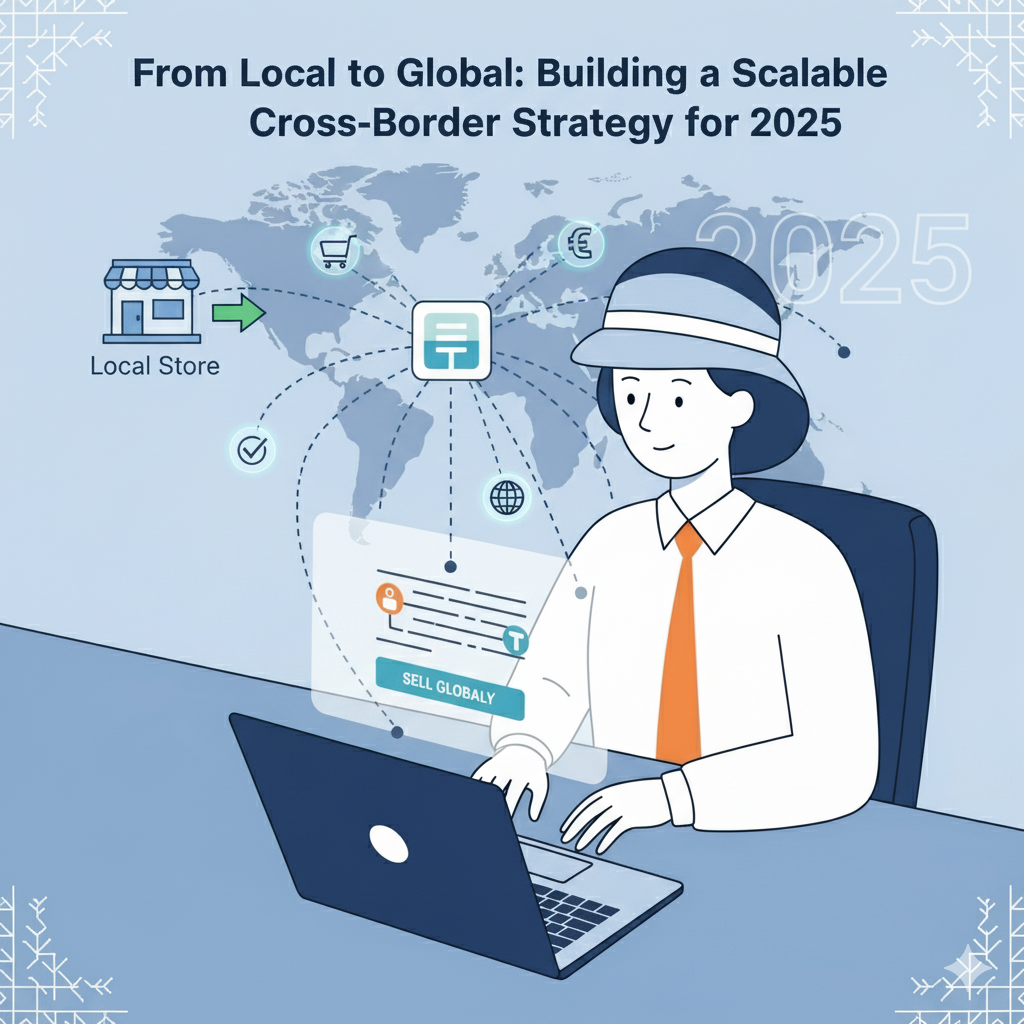
From Local to Global: Building a Scalable Cross-Border Strategy for 2025

In the digital era, the world has become one big marketplace. The rise of e-commerce has erased geographical boundaries, allowing even small businesses to reach customers thousands of miles away. As we enter 2025, cross-border e-commerce isn’t just a growth strategy — it’s a business necessity. With global online sales projected to exceed $8 trillion by 2030, brands that fail to expand internationally risk being left behind.  But going global doesn’t mean simply shipping products abroad. It’s about creating a scalable cross-border strategy — one that balances growth, localization, and efficiency. Let’s explore how businesses can transform from local players into global brands and how platforms like Simplisell can make this journey seamless.  Understanding Cross-Border E-Commerce  Cross-border e-commerce refers to selling goods or services to consumers outside your home country through online channels. The demand for international products has surged due to global connectivity, mobile adoption, and rising trust in digital transactions.  In 2025, customers expect more than just accessibility — they expect localized experiences, fast delivery, and transparent pricing. To succeed, businesses must integrate global thinking with local understanding.  Platforms like Simplisell empower businesses to manage cross-border selling efficiently — handling payments, logistics, and localization all from one unified dashboard.  Step 1: Research and Choose the Right Markets  The first step toward global expansion is identifying the right markets. Not every country will suit your product or business model.  Use analytics and data-driven insights to answer critical questions:  For instance, a skincare brand from India might find strong demand in the Middle East or Southeast Asia, where natural beauty products are trending. Similarly, sustainable fashion brands might perform better in Europe, where eco-conscious shopping is growing.  Simplisell provides detailed analytics that help businesses spot emerging markets and tailor strategies to fit their goals — ensuring data, not guesswork, drives expansion.  Step 2: Simplify Payments and Currencies  One of the main friction points in global e-commerce is payments. Customers prefer paying in their local currency using familiar gateways. A shopper in Germany might prefer PayPal or Sofort, while one in India might use UPI or credit cards.  Simplisell’s integrated multi-currency and multi-payment gateway system ensures customers across regions can make secure payments easily. Supporting local currencies improves trust and reduces cart abandonment rates.  Moreover, by automatically managing exchange rates and tax calculations, Simplisell removes one of the biggest headaches of going international — financial complexity.  Step 3: Localize Content and Marketing  Global success requires local relevance. Translation is not enough; you must localize your brand’s content to align with cultural nuances and buying behaviors.  Here’s how you can achieve that:  Simplisell supports localization tools that help brands easily manage language, pricing, and promotions for different regions — ensuring customers everywhere feel like the brand is made for them.  Step 4: Optimize Logistics and Shipping  Fast, reliable delivery can make or break your international reputation. Customers expect transparency — they want to know shipping costs, delivery times, and return policies before purchasing.  Simplisell integrates with global logistics providers to offer real-time shipping tracking, cost optimization, and automated order management. It also simplifies return processes, ensuring customers can shop with confidence.  When you streamline shipping, you don’t just move products efficiently — you build trust and encourage repeat purchases.  Step 5: Comply with Taxes and Trade Regulations  Every country has its own set of import/export rules, tax systems, and duties. Failure to comply can lead to delays, fines, or lost shipments.  Simplisell automates tax calculations and manages region-specific regulations. From VAT handling in Europe to GST compliance in India, the platform ensures every order aligns with local laws. This automation frees businesses from complex paperwork and reduces the risk of costly mistakes.  Step 6: Use Data to Scale Smartly  Once you’re selling globally, continuous improvement becomes essential. Use analytics to identify which products perform best in specific regions and what marketing strategies yield the highest ROI.  Simplisell provides comprehensive insights on sales, traffic, and engagement across multiple markets. This data-driven approach helps businesses refine their strategies, optimize inventory, and scale intelligently.  For example, if your analytics show that certain products perform better in Australia during summer, you can adjust inventory levels and launch targeted seasonal campaigns in advance.  Step 7: Focus on Customer Experience and Retention  Cross-border expansion doesn’t end after the sale. To build a loyal global customer base, brands must focus on post-purchase engagement.  Simplisell helps businesses create automated workflows for customer communication — from shipping updates to personalized emails and loyalty programs. A seamless, transparent post-purchase experience encourages repeat orders and brand advocacy across borders.  How Simplisell Makes Global Selling Effortless  Simplisell was built with one mission — to make e-commerce simple and scalable for everyone. The platform eliminates the need for technical expertise, giving entrepreneurs and small businesses the tools they need to sell globally within minutes.  Its all-in-one ecosystem covers:  With Simplisell, businesses can focus on growth while the platform handles the complexities of cross-border commerce.  Conclusion  The global e-commerce landscape is more accessible than ever — but scaling successfully requires strategy, technology, and agility. As 2025 unfolds, the businesses that thrive will be those that understand their markets, localize effectively, and deliver exceptional experiences across borders.  Simplisell empowers you to make that happen. Whether you’re expanding your first product line overseas or scaling into multiple continents, Simplisell’s comprehensive tools make global e-commerce simple, efficient, and profitable.  From local to global — your brand’s next chapter starts with Simplisell. 

Simplisell
Online Store

Breaking Borders: How Simplisell Empowers Global E-Commerce Expansion

In today’s interconnected digital world, e-commerce knows no boundaries. A small brand from India can sell handcrafted products to customers in New York, Paris, or Tokyo with just a few clicks. However, while the internet has made global expansion easier than ever, it has also brought new challenges — from managing logistics and payments to understanding local regulations and customer behavior.  This is where Simplisell steps in — breaking borders for ambitious e-commerce brands and making global selling a seamless, scalable reality. Whether you’re an emerging D2C startup or an established retailer, Simplisell helps you reach international markets with ease, efficiency, and confidence.  The New Era of Global E-Commerce  The global e-commerce industry is booming. According to reports, cross-border online sales are projected to reach $7.9 trillion by 2030, driven by consumer demand for international brands and unique products. Shoppers no longer see borders as barriers — they want access to global choices, fair pricing, and fast delivery.  However, for businesses, going international is far from simple. Expanding beyond your home market requires dealing with multiple currencies, shipping complexities, tax laws, cultural differences, and localized marketing strategies. Without the right infrastructure, these hurdles can stall growth or result in poor customer experiences.  Simplisell bridges this gap by offering tools and solutions that simplify every aspect of global e-commerce — from product listing and pricing to shipping, customer engagement, and compliance.  Simplisell’s Mission: Making Global Expansion Effortless  Simplisell’s mission is to empower e-commerce businesses of all sizes to sell anywhere in the world effortlessly. The platform is built on the belief that global growth should not be limited by technical barriers or operational complexities.  By integrating multiple sales channels, payment options, and logistics partners into one unified platform, Simplisell enables brands to manage their entire global operation under a single dashboard. It removes the friction of international selling and allows businesses to focus on what truly matters — scaling their brand and building relationships with customers worldwide.  Seamless Cross-Border Operations  One of the biggest challenges in international e-commerce is managing cross-border operations. Each country has its own import/export regulations, tax systems, and delivery constraints. Simplisell simplifies this process through automation and partnerships with trusted global service providers.  1. Multi-Currency and Localized Payments  Simplisell ensures your customers can pay in their preferred currency through multiple secure payment gateways. This not only builds trust but also boosts conversions — as studies show that over 60% of shoppers abandon carts when local currency or familiar payment options aren’t available.  2. Simplified International Shipping  From choosing the most cost-effective courier to tracking international deliveries in real time, Simplisell’s logistics integration helps brands deliver globally with confidence. No more juggling multiple vendors or worrying about lost parcels — everything is centralized and transparent.  3. Automated Tax and Duty Calculations  International taxes can be confusing, but Simplisell’s built-in compliance system automatically calculates duties and VAT for each region. This ensures smooth customs clearance and avoids unexpected charges for customers — enhancing their shopping experience.  Localizing the Global Experience  Success in global e-commerce isn’t just about selling everywhere — it’s about selling smartly. Every market has unique preferences, languages, and shopping behaviors. Simplisell helps businesses localize their offerings through AI-driven insights and region-specific strategies.  By combining automation with local intelligence, Simplisell helps brands build meaningful connections with global customers — not just transactions.  Empowering Growth Through Data and Insights  Global success requires more than logistics — it demands strategy. Simplisell’s advanced analytics provide deep insights into customer behavior, sales trends, and market opportunities. You can track performance across regions, identify emerging markets, and make data-backed decisions to scale your business sustainably.  Through predictive analytics and AI-powered recommendations, Simplisell helps you:  This intelligence-driven approach ensures your expansion is not just wide — but smart and profitable.  Supporting Small Businesses to Think Big  While global e-commerce expansion was once a privilege reserved for large corporations, Simplisell is changing the game. It provides equal opportunity for small and medium-sized brands to go international without heavy investment or complex integrations.  Whether you’re selling handmade jewelry, organic skincare, or tech gadgets, Simplisell equips you with the tools to reach customers worldwide, compete with global brands, and scale sustainably. It’s about democratizing e-commerce — giving every business a chance to grow beyond borders.  Building Trust and Transparency  Trust is the cornerstone of global trade. Simplisell emphasizes security, reliability, and transparency at every step. From encrypted payment gateways to verified logistics partners, the platform ensures both businesses and customers feel safe and confident.  In addition, Simplisell’s 24/7 support and clear communication policies keep you informed — whether you’re resolving shipping issues or understanding new market regulations.  The Future of Global E-Commerce with Simplisell  As technology continues to shrink the world, the future of e-commerce lies in borderless growth. Simplisell is at the forefront of this transformation — empowering brands to operate globally, delight customers locally, and scale profitably.  With its comprehensive tools, automation, and customer-first approach, Simplisell transforms global selling from a challenge into a competitive advantage.  So, whether you’re looking to take your first international order or aiming to dominate global markets, Simplisell is your trusted partner in making it happen.  Conclusion  Global e-commerce expansion is no longer a dream — it’s a necessity for modern brands. However, success requires the right strategy, tools, and support system. Simplisell provides all three.  By breaking borders and simplifying cross-border operations, Simplisell empowers brands to sell smarter, faster, and farther. In the evolving world of digital commerce, Simplisell isn’t just helping you grow your business — it’s helping you build a global brand. 

Simplisell
Online Store

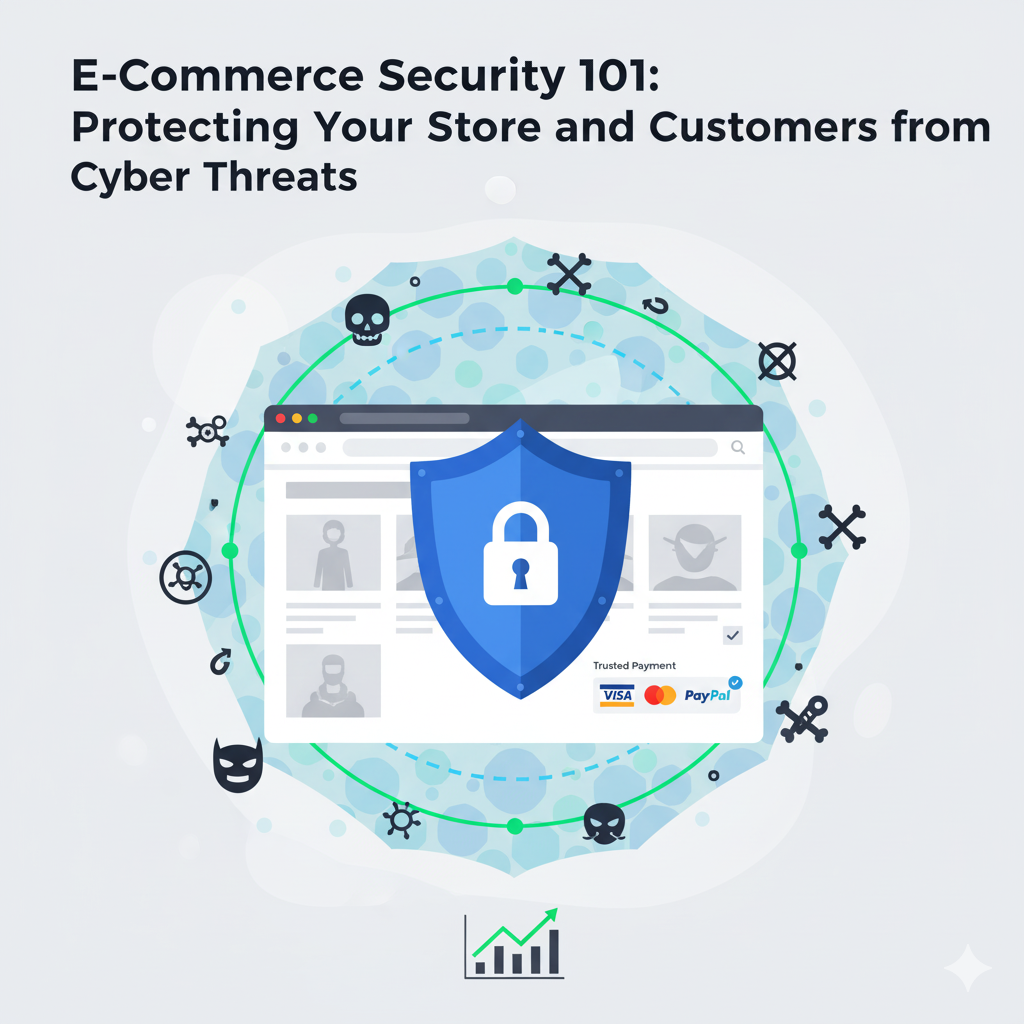
E-Commerce Security 101: Protecting Your Store and Customers from Cyber Threats

Running an online store comes with endless opportunities—but also with serious responsibilities. As e-commerce continues to grow rapidly, so do cyber threats. From data breaches to payment fraud, cybercriminals are constantly finding new ways to exploit vulnerabilities in online businesses. For customers, trust is everything, and even a single security lapse can ruin your brand’s reputation. For store owners, a breach could mean financial losses, legal penalties, and loss of customer loyalty.  This is why e-commerce security is not optional—it’s essential. In this guide, we’ll cover the basics of protecting your store and customers from cyber threats while building a trustworthy digital shopping experience.  Why E-Commerce Security Matters  When customers shop online, they entrust businesses with highly sensitive information such as credit card details, personal addresses, and contact numbers. A single data leak could expose thousands of customers to identity theft or financial fraud. According to recent studies, cybercrime costs businesses over $10 trillion annually by 2025, and small e-commerce stores are often the easiest targets due to weaker defenses.  Security is also directly tied to sales. Shoppers abandon carts if they feel a checkout process is unsafe, while search engines may penalize unsecured websites. Protecting your store isn’t just about defense—it’s about creating a trustworthy environment that encourages conversions.  Common Cyber Threats in E-Commerce  Understanding the risks is the first step to defending your store. Here are some of the most common threats online retailers face:  Recognizing these threats helps you take proactive measures before they damage your store.  Essential Security Practices for E-Commerce Stores  Now that we’ve covered the risks, let’s explore how you can safeguard your online store.  1. Use HTTPS and SSL Certificates  One of the most basic yet critical steps is securing your website with HTTPS. An SSL (Secure Socket Layer) certificate encrypts the data exchanged between your store and your customers. This ensures that sensitive information like credit card numbers cannot be intercepted. Additionally, browsers flag non-HTTPS sites as “Not Secure,” which can discourage potential buyers.  2. Choose a Secure E-Commerce Platform  If you’re using platforms like Shopify, WooCommerce, or Magento, make sure you’re updating regularly. These platforms often release patches to fix security vulnerabilities. Always install updates promptly and use only trusted plugins or themes. Outdated software is one of the most common entry points for hackers.  3. Strong Authentication Practices  Encourage customers to set strong passwords and consider offering two-factor authentication (2FA) for added protection. For administrators, using complex passwords and regularly rotating login credentials is crucial. A compromised admin account could give hackers full access to your store.  4. Secure Payment Gateways  Never store credit card information directly on your servers. Instead, use reputable payment gateways like PayPal, Stripe, or Razorpay that handle encryption and compliance for you. Also, ensure your store is PCI DSS compliant (Payment Card Industry Data Security Standard) to avoid liability.  5. Regular Security Audits and Monitoring  Perform periodic security audits to identify vulnerabilities. Tools like firewalls, malware scanners, and intrusion detection systems can alert you to suspicious activities. Real-time monitoring ensures you can respond quickly before small issues escalate.  6. Protect Customer Data  Collect only the data you truly need. The more information you store, the more you put at risk. For stored data, always use encryption and restrict access to only authorized personnel. Transparency about your privacy policy also reassures customers about how their data is used.  7. Backup Your Store Frequently  Even with the strongest defenses, no system is 100% invulnerable. Regular backups ensure you can restore your site quickly if it gets compromised. Store backups in multiple secure locations and test them periodically to confirm reliability.  Building Trust Through Security  Security isn’t just about technology—it’s about building confidence with your customers. Display trust badges, SSL certifications, and secure payment icons on your site. Offer clear explanations of your data protection policies and give customers peace of mind that their information is safe.  Additionally, be proactive in communicating during incidents. If a breach occurs, transparency goes a long way in retaining trust. Customers appreciate honesty, and quick responses can prevent panic.  Future-Proofing Your E-Commerce Security  Cyber threats evolve constantly, so staying ahead requires ongoing vigilance. Emerging technologies like AI-powered threat detection and blockchain-based payment systems are becoming key tools in strengthening security. At the same time, customer awareness is increasing—shoppers now look for signs of secure shopping before completing purchases.  By investing in security now, you’re not only protecting your store but also creating a foundation for growth. A reputation for safety and trustworthiness will help you attract new customers and keep existing ones coming back.  Conclusion  E-commerce security is no longer just an IT concern—it’s a business priority. Protecting your store from cyber threats involves a mix of technology, best practices, and customer communication. By securing your platform, safeguarding transactions, and staying vigilant, you can protect your customers while building a trustworthy brand.  In today’s digital marketplace, trust is the most valuable currency. When customers know their data is safe, they are more likely to buy, return, and recommend your store to others. Strong security doesn’t just protect your e-commerce business—it powers its success. 

Simplisell
Online Store

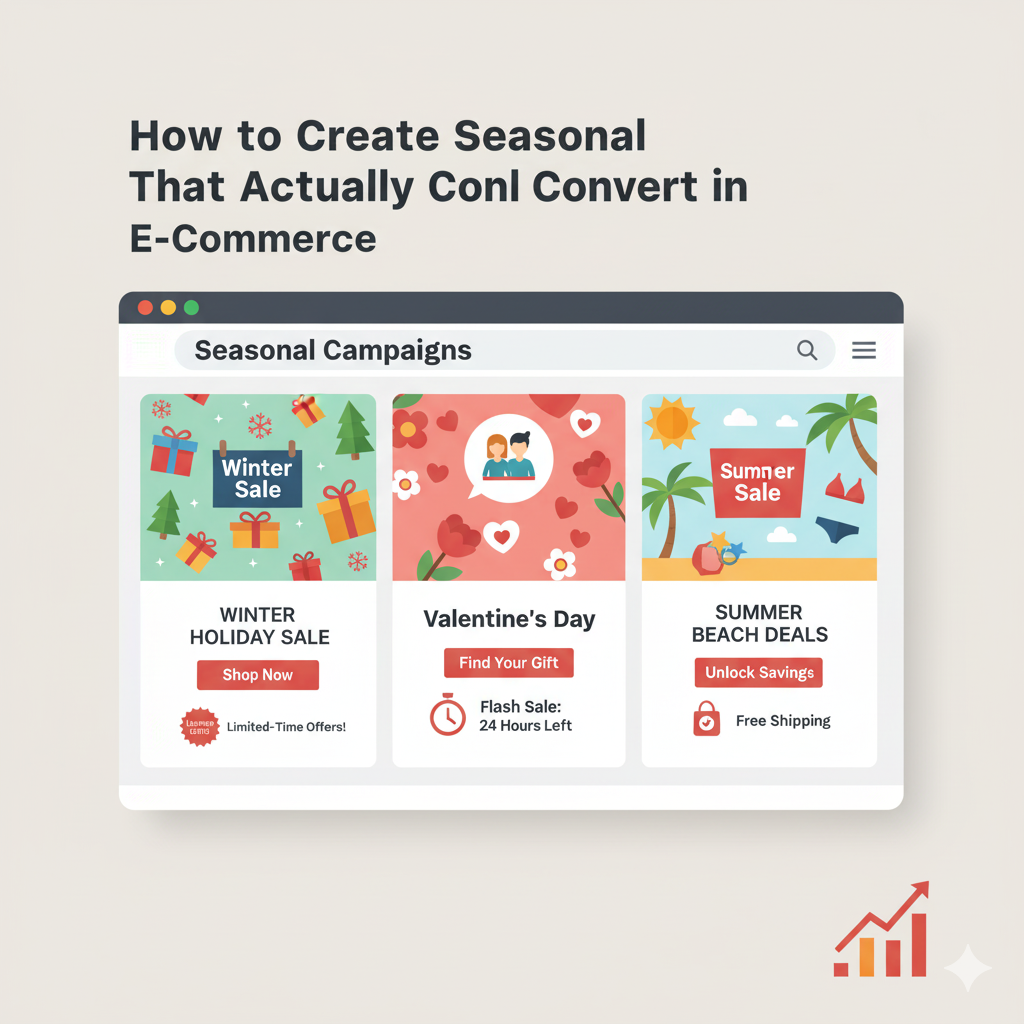
How to Create Seasonal Campaigns That Actually Convert in E-Commerce

Seasonal campaigns are one of the most effective ways for e-commerce businesses to drive sales, engage customers, and strengthen brand loyalty. Whether it’s the festive spirit of Christmas, the excitement of Black Friday, or the cultural celebrations of Diwali, seasonal shopping moments present golden opportunities to capture customer attention. However, creating a campaign that truly converts goes beyond simply adding discounts or holiday-themed graphics. It requires strategy, timing, creativity, and personalization.  In this blog, we’ll explore how you can design seasonal campaigns that don’t just look good but actually boost conversions and build long-term relationships with your customers.  1. Understand the Seasonal Buyer Mindset  Shoppers behave differently during seasonal events. Many are on the lookout for gifts, deals, or products that align with festive vibes. Unlike regular shopping, their decisions are influenced by urgency (limited-time sales), emotions (holiday spirit), and traditions (cultural relevance).  To convert these shoppers, you must align your campaigns with their expectations. For example, during Valentine’s Day, customers may look for personalized or romantic gifts, while during Black Friday, they may seek the best deals on tech and lifestyle products. Mapping buyer intent to seasonal campaigns ensures that your offers feel timely, relevant, and irresistible.  2. Plan Campaigns Ahead of Time  The most successful seasonal campaigns are not last-minute. Planning early allows you to analyze past performance, identify trends, and craft offers that resonate. It also gives you time to fine-tune your inventory, update product descriptions, and prepare your logistics for higher demand.  For instance, global shopping events like Cyber Monday require preparations months in advance, as the competition is fierce and customer expectations are high. By preparing early, you also have enough time to test landing pages, optimize ad copy, and create targeted email campaigns. This foresight reduces last-minute errors and helps you launch smoothly when the season arrives.  3. Create Seasonal Landing Pages  Generic product pages won’t cut it when customers are in the festive shopping mode. Instead, design dedicated seasonal landing pages that highlight your offers, showcase themed collections, and guide buyers to make quick decisions.  A seasonal landing page should feature:  These pages not only enhance the shopping experience but also improve your ad conversions since visitors land directly on curated offers.  4. Personalize Your Campaigns  Personalization is the secret ingredient to higher conversion rates. Customers expect recommendations and offers that feel tailored to their needs. Use customer data such as browsing history, past purchases, and demographics to craft personalized product suggestions or discount codes.  For example, if a customer previously bought fitness products, you could send them an email during New Year promotions highlighting “Fitness Essentials for Your Resolutions.” Similarly, during Christmas, you can offer curated bundles based on popular gift categories. Personalized campaigns show customers that you understand their needs, increasing the chances of repeat purchases.  5. Use Emotional Storytelling  Seasons are not just about sales—they’re about emotions. The holidays remind people of family, love, and togetherness, while back-to-school season evokes excitement and preparation. Tap into these emotions through storytelling in your campaigns.  Instead of just advertising a discount, tell a story about how your products fit into the seasonal narrative. For example, a candle brand can create a campaign around “Lighting Up Your Diwali Evenings” or a clothing store can showcase “Outfits for Every Holiday Moment.” Story-driven campaigns resonate more deeply, making your brand memorable.  6. Leverage Multi-Channel Marketing  Your seasonal campaign won’t be effective if it lives only on your website. Customers interact with multiple platforms daily, so it’s essential to spread your message across all channels—email, social media, SMS, paid ads, and even WhatsApp.  Social media, in particular, plays a huge role in seasonal shopping decisions. Use engaging formats like Instagram Reels, TikTok challenges, or Pinterest boards to showcase seasonal collections. At the same time, use email campaigns to share exclusive deals with loyal customers. A coordinated, multi-channel approach ensures that your message reaches customers wherever they are.  7. Add Urgency and Scarcity  One of the main drivers of seasonal sales is urgency. Shoppers know that offers are time-sensitive, and this triggers FOMO (Fear of Missing Out). To capitalize on this, add urgency to your campaigns using countdown timers, limited stock alerts, and exclusive “early bird” deals.  For instance, a banner with “Sale Ends in 12 Hours” or “Only 5 Left in Stock” nudges customers to act quickly. This psychological trigger can significantly increase conversion rates during seasonal campaigns.  8. Measure and Optimize  Finally, every campaign should end with analysis. Review key performance metrics such as click-through rates, conversion rates, and average order value. Identify what worked—whether it was a specific product bundle, a discount strategy, or an ad creative—and what didn’t.  These insights allow you to refine your strategy for future campaigns. Over time, you’ll develop a playbook of best practices tailored to your customers’ behavior during different seasons.  Conclusion  Seasonal campaigns are more than short bursts of sales—they’re opportunities to connect with customers on an emotional level while driving conversions. By understanding buyer psychology, planning ahead, creating personalized and engaging content, and leveraging urgency, you can craft seasonal campaigns that not only generate immediate revenue but also foster long-term loyalty.  In the fast-evolving e-commerce world, customers have endless options. What makes your seasonal campaign stand out is how well it resonates with their needs, emotions, and shopping habits. Done right, every seasonal moment becomes a chance to transform one-time buyers into lifelong customers. 

Simplisell
Online Store

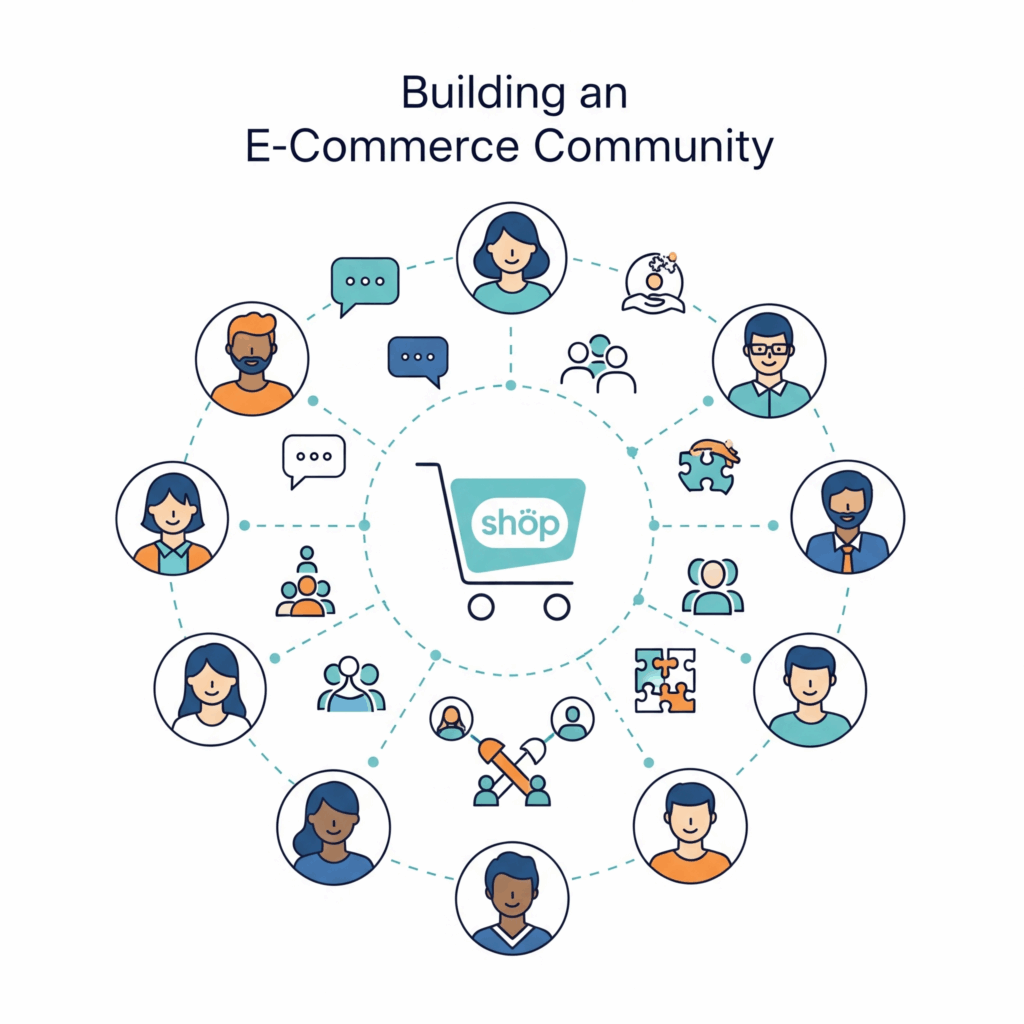
Building an E-Commerce Community: Beyond Just Selling Products 

In the fast-paced world of online shopping, many businesses make the mistake of focusing solely on transactions. They create sleek websites, upload their product catalogs, and drive ads to attract buyers. While these tactics can generate sales, they often fall short of building meaningful, long-term relationships. In today’s digital era, successful e-commerce isn’t just about selling products—it’s about building communities around your brand.  When customers feel like they’re part of a community, they don’t just buy from you; they connect with your mission, share your products with others, and return again and again. This sense of belonging is what transforms one-time shoppers into loyal advocates.  Why Community Matters in E-Commerce  E-commerce is no longer just transactional. Consumers today want more than a good product; they want to align with brands that reflect their values, inspire them, and make them feel included. A strong community fosters trust, which is essential for standing out in a crowded marketplace.  Communities also serve as powerful word-of-mouth engines. When customers are engaged and feel valued, they naturally share their experiences with friends and family. This type of organic promotion often has a greater impact than paid ads, making community-building a smart growth strategy.  The Benefits of Building an E-Commerce Community  How to Build a Community Around Your Online Store  Creating a thriving community takes more than setting up a Facebook group or newsletter. It requires consistent effort, authenticity, and engagement. Here are some proven strategies:  1. Define Your Brand Story and Values  Customers want to know what your brand stands for. Is it sustainability, affordability, luxury, or innovation? Defining your story and values will help you attract people who resonate with them. Sharing your journey—why you started the business, what problem you’re solving, and how you operate—lays the foundation for authentic connections.  2. Leverage Social Media Platforms  Social media is one of the most effective tools for community-building. Create engaging content that encourages interaction—polls, Q&A sessions, challenges, or behind-the-scenes glimpses. Platforms like Instagram, Facebook, and TikTok are perfect for starting conversations and building brand familiarity.  3. Encourage User-Generated Content  Encourage customers to share photos or videos of your products in use. Highlighting their content on your store’s website or social platforms not only makes customers feel valued but also inspires others to join in. UGC builds credibility and trust, as people tend to believe real customer experiences more than brand advertisements.  4. Create Exclusive Experiences  Offer VIP memberships, early access to product launches, or exclusive discounts to community members. This sense of exclusivity strengthens their loyalty and encourages repeat purchases.  5. Use Content to Educate and Inspire  Communities thrive on valuable content. Create blogs, videos, or live webinars that educate, entertain, or inspire your audience. For instance, a beauty brand could host live tutorials, while a fitness brand might share weekly workout challenges. This goes beyond selling—it provides value that keeps customers engaged.  6. Foster Two-Way Communication  Communities aren’t one-sided. Brands should listen to their audience, respond to comments, and acknowledge feedback. This interaction helps customers feel heard and valued, deepening their trust in your brand.  7. Build Micro-Communities  Not all customers engage in the same way. Consider creating smaller groups based on interests or product categories. For example, a fashion store might build separate communities for sustainable fashion enthusiasts or sneaker lovers. These micro-communities often generate stronger connections.  Examples of Community in Action  Many brands have successfully built communities that go beyond products. For instance:  These brands prove that a community-driven strategy is not limited to big corporations. Small e-commerce businesses can adopt similar principles on a smaller scale to drive growth and engagement.  The Long-Term Payoff of Community  While building a community takes time and effort, the long-term payoff is undeniable. Communities reduce marketing costs by driving organic promotion, increase customer lifetime value, and help businesses adapt quickly to changing trends.  Most importantly, communities create emotional connections that can’t easily be replicated by competitors. When customers see themselves as part of something bigger than just a product, they’re more likely to stay loyal through price changes, market fluctuations, and new entrants.  Final Thought  E-commerce success is no longer just about offering the best price or fastest delivery—it’s about creating connections that last. By building an engaged community around your brand, you can transform casual shoppers into loyal advocates, generate authentic word-of-mouth marketing, and gain valuable feedback for growth.  In a marketplace where trust is everything, communities are the bridge between a brand and its customers. For online stores looking to thrive, the message is clear: don’t just sell products—build relationships, create experiences, and nurture a community that will support your business for years to come. 

Simplisell
Online Store

How Gamification Boosts Customer Engagement in Online Stores

The e-commerce world has grown increasingly competitive. With countless brands vying for customer attention, businesses need more than discounts and flashy ads to stand out. One strategy that has gained traction in recent years is gamification—the integration of game-like elements into online shopping experiences. When done right, gamification can make customers feel more engaged, motivated, and loyal, turning casual browsers into repeat buyers. What Is Gamification in E-Commerce? Gamification is the use of mechanics typically found in games—such as points, levels, badges, leaderboards, and challenges—in non-gaming environments like online stores. The goal is to make shopping interactive, enjoyable, and rewarding. Instead of passively scrolling through products, customers feel like participants in an engaging experience. For example, a clothing store may reward customers with points for completing certain actions like signing up, leaving a review, or sharing a product on social media. These points can later be redeemed for discounts. Similarly, a cosmetics brand might create a “spin-the-wheel” feature on its website, giving customers a chance to win special offers when they make a purchase. By making shopping fun and rewarding, gamification taps into basic human psychology—our love for competition, achievement, and instant gratification. Why Gamification Works for Customer Engagement The effectiveness of gamification lies in how it influences customer behavior. Here’s why it works so well: Popular Gamification Tactics for Online Stores There are many creative ways online businesses can gamify the shopping experience. Some of the most effective include: Each of these tactics creates touchpoints where customers interact with the brand in ways that go beyond simply buying a product. Real-World Examples of Gamification Some of the world’s leading e-commerce companies have successfully integrated gamification into their strategies: While these examples are from big brands, smaller online stores can also adopt gamification strategies using plugins, apps, or built-in features on platforms like Shopify, WooCommerce, and Simplisell. Benefits of Gamification for E-Commerce Brands When implemented thoughtfully, gamification delivers clear business benefits: These benefits compound over time, making gamification a sustainable growth strategy. How to Get Started with Gamification If you’re considering adding gamification to your online store, here are a few steps to guide you: The Future of Gamified Online Shopping As technology evolves, gamification in e-commerce will only become more advanced. Virtual reality (VR) shopping experiences, AI-driven personalized rewards, and interactive live shopping events are all emerging trends. For small businesses, platforms like Simplisell make it easier to integrate gamified features into stores without requiring technical expertise. In the coming years, gamification will likely become a standard practice, not just a novelty. Businesses that adopt it early will have a competitive edge in building deeper customer relationships. Final Thought Gamification is more than just a gimmick—it’s a powerful way to create meaningful engagement, build loyalty, and boost sales. By making shopping fun and rewarding, online stores can transform casual visitors into long-term brand advocates. Whether through loyalty programs, interactive challenges, or spin-to-win rewards, gamification helps bridge the gap between customer curiosity and lasting connection.

Simplisell
Online Store

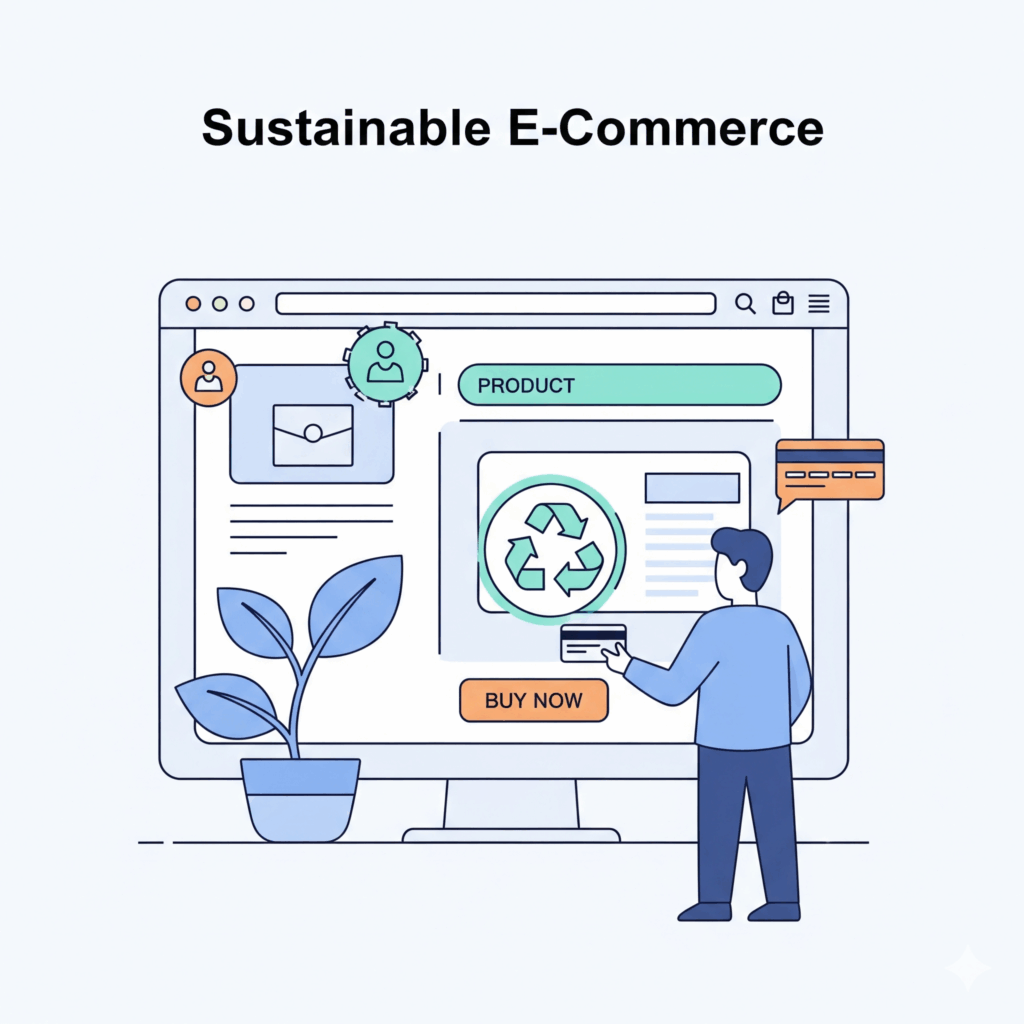
Sustainable E-Commerce: Attracting Eco-Conscious Shoppers Online

The digital marketplace is evolving, and one of the biggest shifts we’re witnessing is the rise of sustainability in e-commerce. Today’s shoppers are not just looking for convenience and variety—they want to buy from brands that align with their values. Eco-conscious consumers actively seek businesses that prioritize ethical sourcing, reduced carbon footprints, recyclable packaging, and transparent supply chains. For e-commerce brands, adopting sustainable practices is no longer a “nice-to-have”; it’s a business imperative.  Why Sustainability Matters in Online Retail  Shoppers today are far more aware of the environmental and social impact of their purchases. Reports suggest that a large percentage of consumers are willing to pay more for eco-friendly products, and they often prefer brands that clearly communicate their sustainability efforts. For e-commerce businesses, this means that going green not only helps the planet but also strengthens brand loyalty and customer trust.  Moreover, sustainability differentiates a brand in a crowded marketplace. When your online store is competing with hundreds of similar products, demonstrating eco-friendly practices can be the deciding factor that convinces a customer to choose you over others.  Eco-Conscious Consumers and Their Expectations  Eco-conscious shoppers are deliberate and informed. They don’t just look at the final product—they evaluate the entire lifecycle, from raw material sourcing to production, packaging, and delivery. They want assurance that a brand is minimizing its environmental impact and contributing to long-term change.  For example, these consumers may favor organic fabrics, cruelty-free beauty products, or goods shipped with biodegradable packaging. They are also more likely to follow brands that practice ethical labor standards and promote fair trade. If your business aligns with these values, you can position yourself as the preferred choice in this growing consumer segment.  Sustainable Practices That Drive Engagement  There are several ways e-commerce businesses can integrate sustainability into their operations to attract eco-conscious buyers:  When businesses clearly communicate these initiatives, eco-conscious shoppers take notice. Transparency builds credibility, and customers are more inclined to purchase from brands that share detailed sustainability commitments.  Leveraging Storytelling to Attract Green Shoppers  Facts alone don’t always drive customer action—stories do. Sharing the journey behind your sustainable efforts can resonate deeply with shoppers. For instance, an apparel brand can highlight how it partners with artisans using organic cotton or how switching to recycled packaging saved thousands of kilograms of plastic waste annually.  By using blogs, product descriptions, and social media to tell authentic sustainability stories, you give consumers an emotional reason to choose your products. This storytelling approach also makes your brand relatable and positions you as part of a larger movement toward positive change.  Marketing Sustainability the Right Way  While showcasing your eco-friendly initiatives is important, it’s equally critical to avoid “greenwashing.” Eco-conscious shoppers are highly discerning and quick to identify false claims. Overstating or misrepresenting sustainable practices can damage your reputation permanently.  The best way to market sustainability is through honesty and evidence. Highlight certifications such as Fair Trade, FSC, or organic labels where applicable. Share measurable results, like reduced carbon emissions or the number of trees planted through your initiatives. Transparency builds trust and ensures that your brand’s values resonate authentically with consumers.  Technology’s Role in Sustainable E-Commerce  Technology can help businesses become more sustainable and connect with eco-conscious buyers more effectively. Tools like AI-powered analytics help predict demand more accurately, reducing overproduction and waste. Inventory management systems ensure fewer unsold products end up in landfills.  Additionally, online platforms can integrate carbon calculators, allowing shoppers to see the environmental impact of their purchase and offset it if they wish. Even optimizing website performance contributes indirectly to sustainability by lowering energy usage. These small but impactful steps demonstrate a brand’s commitment to responsible practices.  Building Long-Term Loyalty Through Sustainability  One of the biggest advantages of embracing sustainability is customer loyalty. Eco-conscious shoppers are not just looking for a one-time purchase—they want to build long-term relationships with brands that reflect their values. When customers see your genuine efforts toward sustainability, they are more likely to become repeat buyers and even brand advocates.  Loyalty programs can be designed around sustainability, such as offering rewards for recycling, planting trees for every purchase, or providing discounts to customers who opt for eco-friendly shipping. These initiatives not only encourage repeat purchases but also foster a sense of community around your brand.  The Future of Sustainable E-Commerce  The shift toward sustainability in e-commerce is not a passing trend—it’s the future of online shopping. As younger generations like Gen Z, who place even greater emphasis on environmental and social responsibility, gain more purchasing power, eco-consciousness will continue to dominate consumer preferences.  For businesses, the question is no longer whether to adopt sustainable practices but how quickly they can integrate them. Brands that act now will not only meet consumer demand but also contribute to a healthier planet, setting themselves up for long-term success.  Final Thought  Sustainability in e-commerce is about more than selling eco-friendly products—it’s about building trust, transparency, and shared values with your customers. By prioritizing ethical sourcing, responsible packaging, and green shipping, brands can attract eco-conscious shoppers while making a real difference. In an increasingly value-driven marketplace, the brands that champion sustainability today will be the ones leading tomorrow. 

Simplisell
Online Store

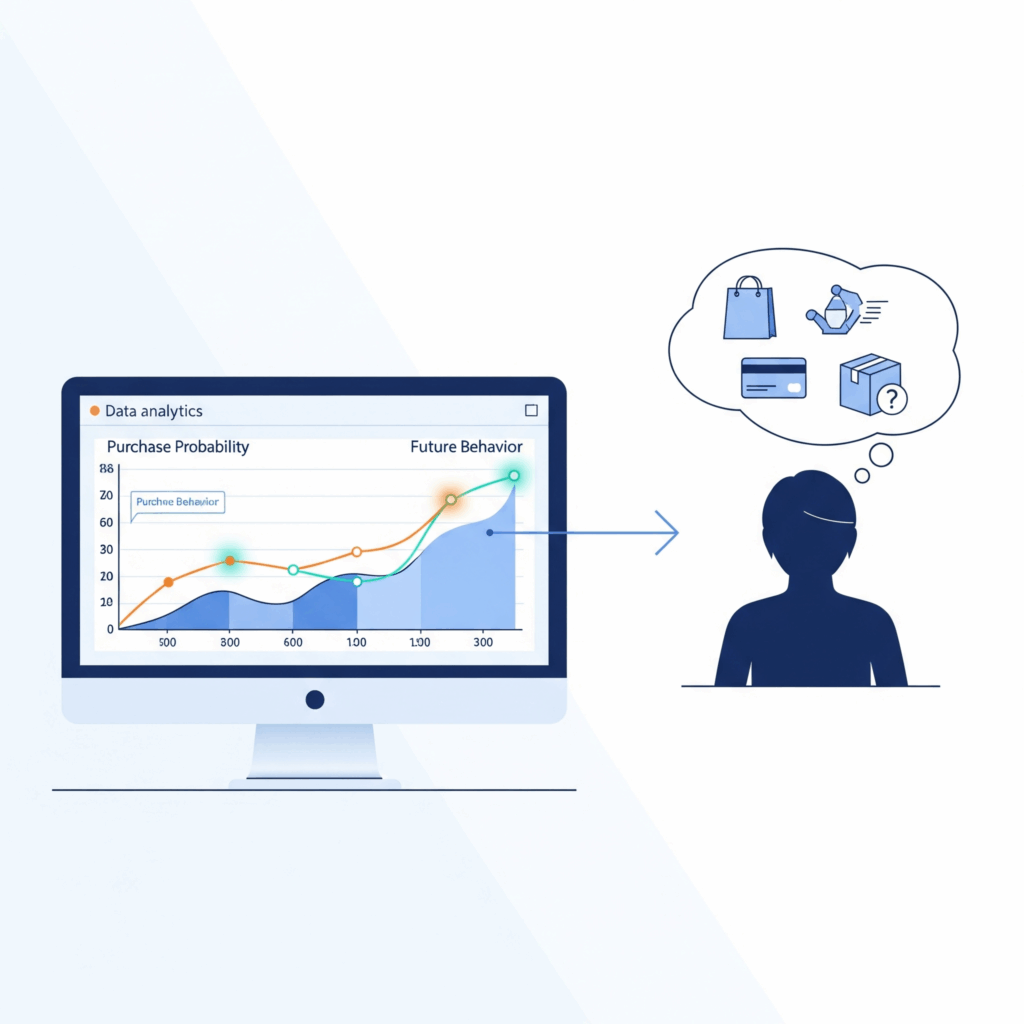
How to Use Data Analytics to Predict E-Commerce Buying Behavior

In today’s competitive e-commerce landscape, understanding your customers isn’t just an advantage—it’s a necessity. With thousands of online stores competing for attention, businesses that can predict customer buying behavior gain a significant edge. This is where data analytics comes into play. By analyzing customer interactions, purchase history, browsing patterns, and even social media activity, e-commerce brands can forecast what shoppers are likely to buy, when they’ll buy it, and why. Predictive insights like these not only boost sales but also build customer loyalty by delivering highly personalized experiences.  Why Predicting Buying Behavior Matters  Modern customers expect brands to anticipate their needs. Whether it’s product recommendations, discounts, or reminders, personalization makes shoppers feel understood and valued. According to industry reports, businesses that use predictive analytics achieve higher conversion rates and better customer retention compared to those that rely on guesswork.  Predicting buying behavior also helps e-commerce businesses optimize inventory management, marketing campaigns, and pricing strategies. Instead of wasting resources on broad campaigns, data-driven insights allow brands to target the right customer at the right time with the right offer.  Collecting the Right Data  The foundation of predicting customer behavior lies in collecting accurate and relevant data. For e-commerce businesses, this often includes:  The key is not just collecting data but ensuring it is clean, organized, and secure. Poor-quality data leads to inaccurate predictions, while well-managed data sets form the basis for reliable insights.  Using Predictive Analytics Tools  Once the data is collected, businesses can use predictive analytics tools to interpret patterns. These tools rely on machine learning algorithms and statistical models to analyze historical data and make forecasts. Some of the most common applications in e-commerce include:  Many e-commerce platforms now integrate AI-driven analytics solutions, making it easier for businesses of all sizes to leverage predictive models without needing in-house data science teams.  Understanding Customer Journeys  One of the most powerful uses of data analytics is mapping the customer journey. Shoppers rarely purchase on their first visit; instead, they go through multiple touchpoints—researching, comparing, and revisiting products before buying. Analytics tools can track these touchpoints, identifying patterns that reveal when and how customers are most likely to purchase.  For example, if data shows that customers often buy after three visits, businesses can design retargeting campaigns to nudge them during that stage. Similarly, if customers abandon carts at checkout, analyzing friction points like shipping costs or payment options can improve conversions.  Leveraging Real-Time Data  Predicting buying behavior isn’t limited to past data—it also involves real-time insights. For instance, tracking live website activity can reveal sudden spikes in interest for certain products, allowing businesses to adjust promotions instantly. Social media mentions and trending hashtags can also signal demand before it peaks, giving brands a chance to act proactively.  Real-time analytics also enhances customer experiences. Personalized pop-ups, chatbots offering product advice, or time-sensitive discounts based on browsing patterns make customers feel valued and increase the likelihood of immediate purchases.  Building Personalized Marketing Campaigns  Once businesses understand customer behavior, they can build personalized campaigns that drive sales. Examples include:  The more precise the personalization, the stronger the impact. Predictive analytics ensures these campaigns are not based on assumptions but on actual customer preferences and patterns.  Challenges in Predictive Analytics  While data analytics offers tremendous opportunities, it also comes with challenges. Privacy concerns are at the forefront, with customers increasingly cautious about how their data is collected and used. Businesses must be transparent about data usage and comply with regulations like GDPR.  Another challenge is over-reliance on algorithms. While predictive models are powerful, they are not infallible. External factors such as market shifts, economic conditions, or sudden trends can disrupt patterns. The best approach is to combine analytics with human judgment and flexibility.  The Future of Predictive E-Commerce  Looking ahead, the role of predictive analytics in e-commerce will only expand. With advancements in artificial intelligence, businesses will be able to forecast buying behavior with even greater accuracy. Hyper-personalization, voice commerce, and predictive chatbots will create seamless shopping experiences that anticipate customer needs before they’re even expressed.  For small businesses, affordable cloud-based tools will make predictive analytics more accessible, leveling the playing field with larger competitors. As e-commerce becomes increasingly data-driven, those who embrace predictive insights will stay ahead of the curve, while others risk falling behind.  Final Thought:   Data analytics is more than a tool—it’s the future of customer understanding. By predicting buying behavior, e-commerce businesses can create personalized experiences, optimize operations, and turn casual browsers into loyal customers. In the digital marketplace, the brands that know their customers best will always win. 

Simplisell
Online Store

The Power of Subscription Models in Growing an Online Store 

The e-commerce industry has evolved rapidly in recent years, and one trend that continues to reshape how customers shop online is the subscription model. From streaming services like Netflix to subscription boxes for beauty, food, and fashion, consumers are increasingly drawn to the convenience and personalization that subscriptions provide. For online stores, adopting a subscription model offers a powerful way to grow revenue, improve customer loyalty, and create predictable income streams.  In this blog, we’ll explore why subscription models are so effective, how they benefit both businesses and customers, and what strategies you can use to integrate them into your online store.  Why Subscription Models Are Thriving  The subscription economy is booming. A report by Zuora revealed that subscription-based businesses grew more than 435% in the last decade—a rate far exceeding traditional business models. Consumers today prioritize convenience, personalization, and experiences, and subscription models deliver all three.  Instead of making a one-time purchase, customers enjoy ongoing access to products or services without having to reorder. Whether it’s a monthly box of snacks, a curated skincare kit, or a replenishment service for essentials like coffee or pet food, the model simplifies shopping while delivering ongoing value.  For businesses, this creates steady cash flow and repeat engagement, reducing the dependency on constantly acquiring new customers.  Benefits for Online Stores  1. Predictable Revenue Streams  One of the biggest advantages of subscription models is the financial stability they bring. Unlike traditional e-commerce, where revenue depends heavily on fluctuating sales, subscriptions provide recurring income. This predictable cash flow makes it easier for businesses to manage inventory, plan marketing campaigns, and forecast growth.  2. Higher Customer Retention and Loyalty  Subscriptions turn casual buyers into long-term customers. Because shoppers sign up for recurring deliveries, they are more likely to stick with your brand over time. This reduces churn and lowers acquisition costs, since it’s generally more expensive to attract new customers than to retain existing ones. A loyal subscriber base also provides opportunities for upselling and cross-selling.  3. Opportunities for Personalization  Subscription models allow businesses to offer tailored experiences. For example, a beauty brand might send curated products based on a customer’s skin type, while a fitness company can provide personalized workout supplements. By analyzing customer preferences and purchase behavior, businesses can design subscription packages that feel tailor-made—enhancing satisfaction and encouraging retention.  4. Strengthened Customer Relationships  Unlike one-time transactions, subscriptions create ongoing interactions between the brand and the customer. Regular touchpoints, such as monthly deliveries or renewal reminders, keep your brand top of mind. This gives businesses more opportunities to engage, gather feedback, and deliver consistent value.  Types of Subscription Models for E-Commerce  When integrating subscriptions into your online store, it’s important to choose the right model for your products and target audience. Here are the most common types:  Strategies to Make Subscription Models Work  Simplify Onboarding  Make it easy for customers to subscribe with clear pricing, product options, and cancellation policies. A frictionless sign-up process increases conversions and minimizes hesitation.  Deliver Consistent Value  Subscribers expect ongoing benefits. Whether it’s the quality of the products, the curation experience, or exclusive perks, your offering must consistently deliver value to keep them engaged.  Communicate Regularly  Use emails, newsletters, or in-app messages to keep customers informed about upcoming shipments, new products, or special offers. Transparency builds trust and keeps subscribers excited.  Provide Flexible Options  Customers appreciate flexibility. Allow them to pause, skip, or change their subscription easily. This prevents cancellations and shows that your brand values their convenience.  Use Technology to Personalize  Leverage data to personalize experiences. Recommending products, tailoring boxes, or sending personalized messages based on shopping history makes customers feel understood and valued.  Challenges to Watch Out For  While subscription models are powerful, they aren’t without challenges. High churn rates can erode profitability if customers don’t see long-term value. Businesses must also manage logistics carefully to ensure timely delivery and handle increased operational demands. Additionally, standing out in a crowded subscription market requires creativity and consistent differentiation.  Conclusion  Subscription models are transforming e-commerce by shifting businesses from one-time transactions to ongoing relationships. For online stores, this means greater revenue predictability, stronger customer loyalty, and more opportunities for personalization. While the model requires thoughtful execution, the rewards are significant.  Platforms like Simplisell make it easier for small businesses to integrate subscription models seamlessly. With user-friendly tools, payment flexibility, and automation, even non-technical entrepreneurs can set up and manage subscriptions with ease.  In an era where customer loyalty is harder to secure and acquisition costs continue to rise, subscriptions offer a sustainable way for online stores to thrive. If you’re looking to grow your e-commerce business, embracing the power of subscription models could be the game-changer you need. 

Scroll to Top