


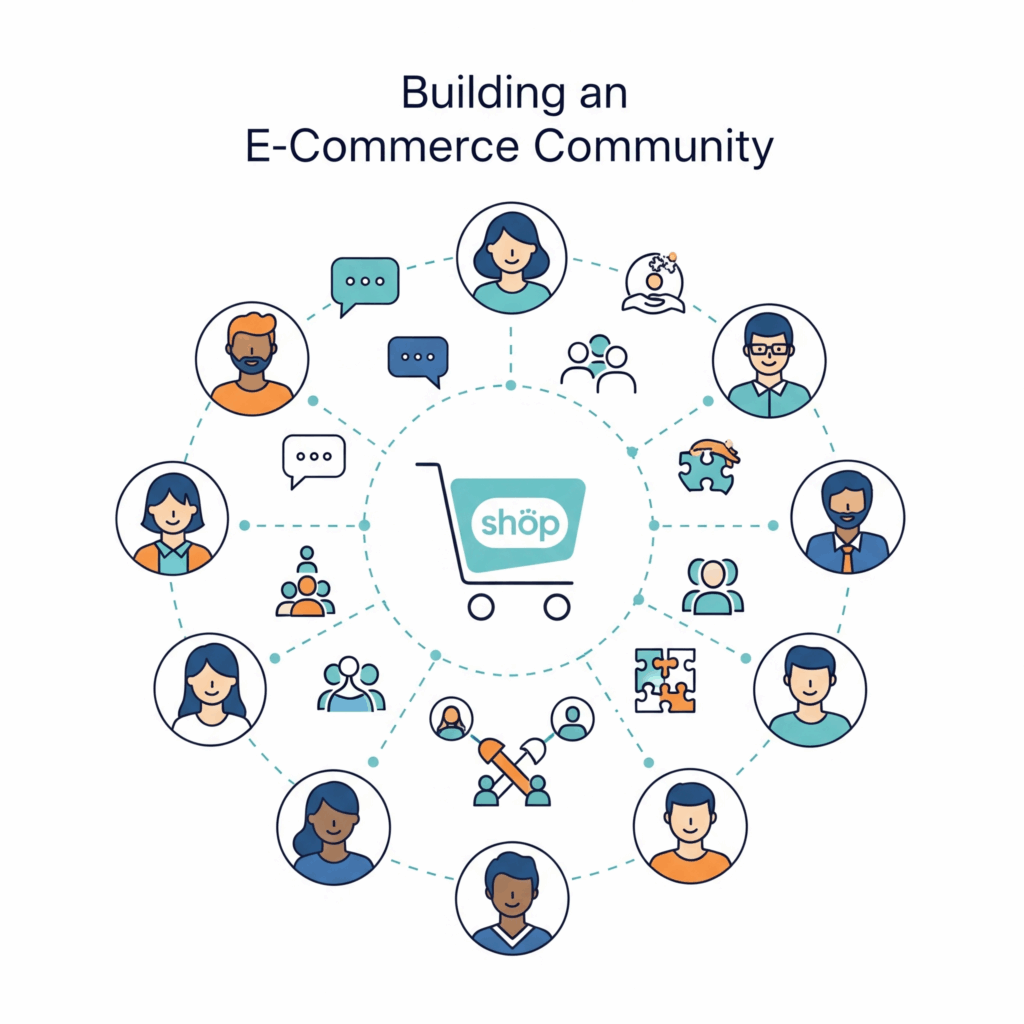
In the fast-paced world of online shopping, many businesses make the mistake of focusing solely on transactions. They create sleek websites, upload their product catalogs, and drive ads to attract buyers. While these tactics can generate sales, they often fall short of building meaningful, long-term relationships. In today’s digital era, successful e-commerce isn’t just about selling products—it’s about building communities around your brand.
When customers feel like they’re part of a community, they don’t just buy from you; they connect with your mission, share your products with others, and return again and again. This sense of belonging is what transforms one-time shoppers into loyal advocates.
Why Community Matters in E-Commerce
E-commerce is no longer just transactional. Consumers today want more than a good product; they want to align with brands that reflect their values, inspire them, and make them feel included. A strong community fosters trust, which is essential for standing out in a crowded marketplace.
Communities also serve as powerful word-of-mouth engines. When customers are engaged and feel valued, they naturally share their experiences with friends and family. This type of organic promotion often has a greater impact than paid ads, making community-building a smart growth strategy.
The Benefits of Building an E-Commerce Community
- Customer Loyalty and Retention
A strong community ensures customers keep coming back. People don’t leave communities they feel connected to, even when competitors offer similar products.
- User-Generated Content
Communities encourage customers to create content—reviews, photos, unboxing videos, or social media posts—that promotes your brand authentically.
- Product Feedback and Innovation
Customers who feel part of your community are more likely to share valuable feedback, helping you improve products or even spark ideas for new ones.
- Brand Advocacy
Loyal community members often become advocates, actively recommending your brand and defending it online, which strengthens your reputation.
- Stronger Emotional Connection
Communities allow brands to build relationships that go beyond discounts and promotions. Customers start identifying with your brand’s mission and values.
How to Build a Community Around Your Online Store
Creating a thriving community takes more than setting up a Facebook group or newsletter. It requires consistent effort, authenticity, and engagement. Here are some proven strategies:
1. Define Your Brand Story and Values
Customers want to know what your brand stands for. Is it sustainability, affordability, luxury, or innovation? Defining your story and values will help you attract people who resonate with them. Sharing your journey—why you started the business, what problem you’re solving, and how you operate—lays the foundation for authentic connections.
2. Leverage Social Media Platforms
Social media is one of the most effective tools for community-building. Create engaging content that encourages interaction—polls, Q&A sessions, challenges, or behind-the-scenes glimpses. Platforms like Instagram, Facebook, and TikTok are perfect for starting conversations and building brand familiarity.
3. Encourage User-Generated Content
Encourage customers to share photos or videos of your products in use. Highlighting their content on your store’s website or social platforms not only makes customers feel valued but also inspires others to join in. UGC builds credibility and trust, as people tend to believe real customer experiences more than brand advertisements.
4. Create Exclusive Experiences
Offer VIP memberships, early access to product launches, or exclusive discounts to community members. This sense of exclusivity strengthens their loyalty and encourages repeat purchases.
5. Use Content to Educate and Inspire
Communities thrive on valuable content. Create blogs, videos, or live webinars that educate, entertain, or inspire your audience. For instance, a beauty brand could host live tutorials, while a fitness brand might share weekly workout challenges. This goes beyond selling—it provides value that keeps customers engaged.
6. Foster Two-Way Communication
Communities aren’t one-sided. Brands should listen to their audience, respond to comments, and acknowledge feedback. This interaction helps customers feel heard and valued, deepening their trust in your brand.
7. Build Micro-Communities
Not all customers engage in the same way. Consider creating smaller groups based on interests or product categories. For example, a fashion store might build separate communities for sustainable fashion enthusiasts or sneaker lovers. These micro-communities often generate stronger connections.
Examples of Community in Action
Many brands have successfully built communities that go beyond products. For instance:
- Glossier, the beauty brand, built its community by encouraging customers to share makeup routines and feedback, shaping the products themselves.
- LEGO runs an online forum where fans share creations, sparking creativity and collaboration.
- Patagonia uses its community to advocate for environmental causes, aligning customers with its mission-driven approach.
These brands prove that a community-driven strategy is not limited to big corporations. Small e-commerce businesses can adopt similar principles on a smaller scale to drive growth and engagement.
The Long-Term Payoff of Community
While building a community takes time and effort, the long-term payoff is undeniable. Communities reduce marketing costs by driving organic promotion, increase customer lifetime value, and help businesses adapt quickly to changing trends.
Most importantly, communities create emotional connections that can’t easily be replicated by competitors. When customers see themselves as part of something bigger than just a product, they’re more likely to stay loyal through price changes, market fluctuations, and new entrants.
Final Thought
E-commerce success is no longer just about offering the best price or fastest delivery—it’s about creating connections that last. By building an engaged community around your brand, you can transform casual shoppers into loyal advocates, generate authentic word-of-mouth marketing, and gain valuable feedback for growth.
In a marketplace where trust is everything, communities are the bridge between a brand and its customers. For online stores looking to thrive, the message is clear: don’t just sell products—build relationships, create experiences, and nurture a community that will support your business for years to come.