Simplisell

Author name: Prakash J

Online Store

How Small Businesses Are Scaling Fast with Simplisell 

In today’s digital economy, the playing field has been leveled. Small businesses no longer need huge capital, massive teams, or complex infrastructure to compete with established brands. Thanks to e-commerce tools and digital platforms, anyone can sell online—and scale fast.  At the heart of this shift is Simplisell, a game-changing platform that allows small business owners to build their e-commerce websites and start selling online within minutes, without technical knowledge or hefty investments. Let’s explore how Simplisell is helping small businesses scale rapidly, reach new audiences, and grow their revenues faster than ever before.  The E-Commerce Revolution for Small Businesses  Over the past few years, consumer behavior has shifted dramatically. People now prefer browsing and buying from the comfort of their homes. In response, small businesses that once relied solely on physical storefronts or word-of-mouth have been forced to explore online options.  However, many business owners face roadblocks such as:  This is where Simplisell comes in. The platform eliminates all technical barriers, allowing users to set up a professional e-commerce website in just 5 minutes—complete with payment gateways, product listings, and mobile responsiveness.  A Plug-and-Play E-Commerce Platform  Simplisell’s interface is clean, beginner-friendly, and fast. You don’t need to worry about buying a domain separately, configuring a server, or writing code. It’s a plug-and-play solution with everything built in.  From product listings to payment integrations and order tracking, all essential features are included. Small business owners can upload their products, customize their store, and start accepting orders almost instantly.  What sets Simplisell apart is that it offers:  Real-Time Success: Stories from Small Business Owners  Numerous businesses—from boutique clothing brands and handmade crafts to local food sellers—have scaled faster using Simplisell.  Take the case of Neha, who sold handmade candles at local exhibitions. When events stopped during the pandemic, she needed a digital storefront fast. With Simplisell, she launched her online shop in a day and now sells across the country. Her monthly orders tripled in three months without hiring a tech team.  Another example is Ali, who ran a small electronics repair shop. Using Simplisell, he began offering refurbished accessories and parts online. With minimal effort, he expanded from his local area to selling pan-India, fulfilling orders while running his physical shop.  These stories highlight how small entrepreneurs are scaling through online reach, automation, and ease of use—without losing their personal touch.  Reaching a Wider Audience with Minimal Cost  Digital reach is crucial for scaling. With a Simplisell-powered website, small businesses are no longer bound by geography. They can:  In traditional retail, growth meant opening new branches or hiring more staff. With Simplisell, it means clicking a button to share your store link or optimizing your homepage. Scaling doesn’t require scaling your expenses.  Time Efficiency = Business Growth  One of the biggest advantages for small business owners is time savings. Instead of juggling spreadsheets, managing product photos, and figuring out how to build a website, Simplisell handles it all in one place.  The intuitive dashboard gives you control over products, prices, inventory, and order tracking—all without technical complexity. This means business owners can spend more time doing what they love: creating, marketing, and fulfilling orders.  Automation features like order alerts, ready-made product templates, and automatic invoices make scaling seamless.  Built for the Mobile-First Generation  Today’s shoppers browse, compare, and buy directly from their phones. A mobile-first approach isn’t optional—it’s essential.  Simplisell is fully optimized for mobile, giving customers a fast and smooth shopping experience. Whether they’re discovering your brand through Instagram or clicking on a WhatsApp link, your store looks great and functions perfectly.  This mobile-first design directly increases conversions and customer satisfaction, helping small businesses compete with big players who spend thousands on mobile UX.  Support and Scalability from Day One  For small businesses that plan to grow, Simplisell provides a clear path. You can start with a basic store and gradually expand—adding new products, integrating shipping partners, offering discounts, and promoting via digital marketing.  And you’re not alone. Simplisell offers support through its help center and resources that guide you through scaling, digital marketing, and customer engagement.  Whether you’re launching a product line or shifting your offline business online, you have the tools to grow steadily and sustainably.  Final Thoughts: Simplifying Success  Scaling a small business doesn’t have to mean complex platforms, huge teams, or long development cycles. With Simplisell, any small business owner can build a professional, responsive, and customer-ready online store—without the headaches of traditional e-commerce setups.  The future of business is digital, and the faster you adapt, the sooner you grow. Simplisell makes that transition smooth, fast, and affordable. It’s time to stop waiting for the “right time” and start selling smarter today.  Visit Simplisell.in and experience how thousands of small businesses are growing—one sale at a time. 
Simplisell
Online Store

Retargeting Strategies to Bring Customers Back to Your Store

In today’s fast-paced digital world, it’s common for potential customers to visit an e-commerce site, browse for a while, and then leave without making a purchase. But just because someone didn’t buy on their first visit doesn’t mean they won’t. That’s where retargeting comes in—a powerful strategy that helps bring back those visitors and turns lost opportunities into sales.  Retargeting (or remarketing) focuses on reaching out to users who have already interacted with your website or products. It’s not just about getting more traffic; it’s about re-engaging people who’ve already shown interest and nudging them back toward your store. If done right, retargeting can significantly improve conversion rates and customer retention.  Why Retargeting Matters for E-Commerce  Statistics show that only 2% of visitors convert on their first visit. That means 98% of your traffic may leave without buying anything. Retargeting helps you recapture the attention of that majority by displaying personalized ads, sending reminder emails, or offering exclusive deals to encourage them to return.  Retargeted users are more likely to convert than new visitors, as they’ve already shown intent. By staying visible in their online journey, your brand remains top of mind, which increases the chances of bringing them back to complete a purchase.  1. Use Pixel-Based Retargeting  Pixel-based retargeting is one of the most common strategies used in e-commerce. A small piece of code (pixel) is added to your website, which tracks visitors and shows them ads across different platforms like Google, Facebook, and Instagram after they leave your site.  Benefits:  Make sure to create audience segments for different types of visitors—product viewers, cart abandoners, and frequent browsers—so your ads can be tailored accordingly.  2. Leverage Email Retargeting  Email marketing remains a highly effective retargeting tool, especially for users who’ve already shared their email addresses with you. Whether it’s a welcome email, cart reminder, or product recommendation, a timely message can reignite interest and drive conversions.  Key emails to send:  Using an e-commerce platform like Simplisell allows you to easily manage customer data and create personalized email campaigns without needing external tools.  3. Dynamic Product Ads  Dynamic product ads automatically display the exact items a user viewed on your website, increasing the chance they’ll return and purchase. These ads are highly targeted and relevant, making them one of the most effective forms of retargeting.  Where to use them:  The more relevant the ad, the better your results. Use eye-catching visuals, accurate product details, and persuasive CTAs to draw users back in.  4. Offer Time-Sensitive Discounts  Creating urgency can be a great way to convert hesitant buyers. If someone visits your site but doesn’t make a purchase, offer them a limited-time discount through a retargeting ad or email.  Examples:  The sense of urgency combined with a personalized message can effectively encourage users to complete the transaction.  5. Retarget Across Devices  Today’s online shoppers use multiple devices—smartphones, tablets, desktops. To stay connected with your customers, your retargeting campaigns need to be cross-device compatible.  How to do it:  If your e-commerce store is built on a mobile-friendly platform like Simplisell, your users will enjoy a seamless experience no matter how they return to your site.  6. Segment Your Audience  Not all visitors are at the same stage of the buying journey. Segmenting your audience allows you to tailor your retargeting messages based on user behavior.  Segments to consider:  This level of personalization boosts your chances of making a sale while improving the customer experience.  7. Monitor and Optimize Your Campaigns  Like any marketing strategy, retargeting requires testing and optimization. Track performance metrics such as click-through rate (CTR), return on ad spend (ROAS), and conversion rate to see what’s working.  Optimization tips:  Use built-in analytics from platforms like Facebook Ads Manager or Google Ads, and integrate with your e-commerce backend to track conversions accurately.  Final Thoughts  Retargeting isn’t just a marketing tactic—it’s a strategy to re-engage, nurture, and convert interested visitors. By implementing a thoughtful retargeting plan, you can unlock the full value of your traffic and build long-term customer relationships.  If you’re looking to simplify your retargeting setup, having a user-friendly and conversion-optimized e-commerce site is essential. With platforms like Simplisell, you can launch your store, manage products, track customer behavior, and even integrate email or ad campaigns—all without needing technical skills or a developer.  Start retargeting smarter with Simplisell—your all-in-one e-commerce solution. 

Simplisell
Online Store

How to Build Customer Loyalty Through Your E-Commerce Website 

In the highly competitive world of e-commerce, attracting new customers is only half the battle. The real challenge—and opportunity—lies in keeping them. Customer loyalty is what transforms one-time buyers into repeat shoppers and, eventually, into brand advocates. Loyal customers not only spend more over time but also bring in new customers through referrals and word-of-mouth marketing.  Building loyalty doesn’t happen overnight. It requires a well-thought-out strategy, a user-friendly website, personalized experiences, and consistent value. Fortunately, with the right tools and approach, your e-commerce website can become a powerful driver of long-term customer loyalty.  Why Customer Loyalty Matters  Repeat customers can significantly impact your bottom line. Studies show that acquiring a new customer can cost five times more than retaining an existing one. Moreover, loyal customers are more likely to try new products, provide valuable feedback, and become brand evangelists.  Here are just a few reasons why loyalty is crucial for your e-commerce success:  1. Deliver a Seamless User Experience  Your website is the face of your brand. A smooth, intuitive shopping experience builds trust and encourages return visits. If your website is slow, confusing, or difficult to navigate, customers are likely to leave and not return.  Key actions:  Simplisell, for instance, offers a mobile-optimized, easy-to-use interface that ensures your customers enjoy a professional shopping experience every time they visit.  2. Personalize the Shopping Journey  Customers want to feel seen and valued. Personalization can make a significant difference in how customers perceive your brand. This could be as simple as recommending products based on past purchases or sending personalized emails with discounts on their favorite items.  Ways to personalize:  By using a platform that enables easy management of customer preferences, like Simplisell, you can start incorporating basic personalization even if you’re a solo entrepreneur or small business.  3. Encourage Customer Engagement  Interacting with your customers outside the transaction builds connection. Encourage reviews, feedback, and social media engagement to deepen your relationship with customers.  Ideas to try:  This kind of engagement not only builds loyalty but also strengthens your brand’s community.  4. Implement a Loyalty or Rewards Program  Reward programs are one of the most effective tools for encouraging repeat purchases. Whether it’s a points system, referral bonus, or discount for second-time buyers, incentives make customers feel appreciated.  Examples of effective rewards:  Even if your platform doesn’t have a built-in rewards system, you can manually offer discount codes or bonus gifts for repeat customers using Simplisell’s coupon feature or order management tools.  5. Offer Outstanding Customer Service  Customer service can make or break loyalty. A quick response to issues, clear communication, and going the extra mile to resolve complaints can turn a negative experience into a positive one.  Best practices:  Simplisell allows you to manage customer orders, queries, and follow-ups all in one place, making it easier to offer high-quality service.  6. Stay Consistent Across Channels  Loyalty builds through familiarity and reliability. Maintain consistent branding, messaging, and service across your website, social media, email newsletters, and any other touchpoints.  Tips:  A unified experience helps customers remember your brand and associate it with professionalism and trustworthiness.  7. Follow Up and Stay Connected  Don’t let the relationship end after checkout. Following up with customers shows you care and gives you the opportunity to invite them back.  Smart follow-ups:  Simplisell enables sellers to stay in touch through automated order confirmations and simple tools to integrate email campaigns.  Final Thoughts  Customer loyalty isn’t built on flashy discounts or one-time promotions. It’s cultivated through consistency, personalization, seamless experiences, and genuine engagement. Your e-commerce website plays a pivotal role in this journey, acting as the central hub for all customer interactions.  If you’re looking to start or scale your e-commerce business with a platform that supports you in building long-term customer loyalty, Simplisell is a great choice. It empowers entrepreneurs to create responsive, professional, and personalized e-commerce websites—without needing a developer.  Launch your store today with Simplisell and turn one-time shoppers into lifelong customers. 

Simplisell
Online Store

Selling Handmade or Custom Products Online with Simplisell

In today’s digital age, the world has become a marketplace. Whether it’s a handwoven scarf, custom jewelry, personalized stationery, or artisanal home décor, handmade and custom products are in high demand. Consumers now crave authenticity, personalization, and a human touch—qualities mass-produced items simply can’t replicate.  If you’re a craftsperson, artist, or small-scale maker, turning your passion into a thriving online business has never been more attainable. However, getting started often feels overwhelming—setting up a website, handling payments, designing product pages, managing inventory, and attracting customers. That’s where Simplisell comes in.  Simplisell is designed to help makers and creators sell online without coding or design knowledge, and it’s possible to launch your own e-commerce site in just 5 minutes. Let’s explore how you can start selling your handmade or custom products online easily and successfully with Simplisell.  Why Sell Handmade Products Online?  Handmade and custom items carry a story, a soul. In contrast to generic mass-market goods, they reflect individual creativity, culture, and effort. This emotional connection is what drives people to seek out and purchase such items.  Here’s why now is the best time to go digital with your handmade goods:  Challenges Creators Face  Many artisans hesitate to take their business online because of several common challenges:  These obstacles often delay or derail the journey toward online selling. But with tools built specifically for non-tech users like Simplisell, these challenges are quickly becoming a thing of the past.  Why Simplisell is Perfect for Handmade Businesses  Simplisell is a no-hassle solution built with small sellers, hobbyists, and first-time entrepreneurs in mind. Here’s how it helps:  1. Quick Setup  With Simplisell, you can set up your entire online store in under 5 minutes. Just sign up, add your products, write descriptions, and you’re live. No coding, no plugins, no complex processes.  2. Beautiful, Mobile-Optimized Stores  Handmade goods deserve an elegant showcase. Simplisell offers modern, clean design templates that make your products shine—whether viewed on a desktop or a mobile phone. Since mobile shopping is on the rise, this is crucial.  3. Custom Product Options  Need to collect customization details from customers (like names, colors, or messages)? Simplisell lets you add personalized fields with ease, so buyers can input exactly what they want.  4. Built-in Payment and Order Management  Accepting payments is seamless—Simplisell integrates with secure payment gateways. It also tracks your orders, helping you manage deliveries, inventory, and customer information from a single dashboard.  5. Affordable for Small Businesses  Unlike many e-commerce platforms that charge hefty fees or take commissions, Simplisell is budget-friendly. You keep more of your hard-earned revenue, which is especially helpful for small-scale makers.  Steps to Start Selling Handmade Products on Simplisell  Here’s how to get started:  Step 1: Sign Up on Simplisell  Go to https://simplisell.in and register your account. The process is quick, with no complicated forms or approvals.  Step 2: Set Up Your Store  Choose a name for your shop, add your logo (optional), and select a layout. The interface is intuitive and beginner-friendly.  Step 3: Upload Your Products  Add product photos, descriptions, prices, and shipping details. You can also enable customization fields for made-to-order items.  Step 4: Share Your Store Link  Once your store is live, share the link with friends, family, social media followers, or existing customers. Simplisell even supports direct checkout links.  Step 5: Fulfill Orders and Grow  You’ll receive notifications when orders come in. Prepare and ship them on time. Use the insights and analytics to understand your sales trends and customer behavior.  Tips to Succeed with Handmade Products Online  Success doesn’t come overnight, but with consistency and the right approach, you can grow a loyal customer base. Here are some tips:  Final Thoughts  The world of handmade and custom products is rich with opportunity. People are actively seeking meaningful, personalized items, and the internet makes it easier than ever to connect with them.  Thanks to Simplisell, you no longer need a technical team, designer, or weeks of preparation to launch your online shop. Whether you’re just getting started or looking to scale, Simplisell empowers you to turn your craft into a thriving business in minutes.  So if you’re ready to sell your handmade or custom creations online, there’s no better time than now—and no better platform than Simplisell.  Visit here now and launch your store today. 

Simplisell
Online Store

How to Price Your Products Smartly for Maximum Profits

Pricing is one of the most crucial aspects of running a successful business, especially when it comes to e-commerce. Set the wrong price, and you risk losing customers or missing out on potential profits. Price it too high, and you may alienate your target audience; price it too low, and you might not cover your costs or reflect the true value of your product.  In the competitive world of online selling, striking the right balance is key. So, how do you set the ideal price for your products to maximize profits without compromising customer satisfaction? Here’s a step-by-step guide on how to price your products smartly.  1. Understand Your Costs  Before you can think about pricing your product for profit, you need to have a clear understanding of your costs. There are two main types of costs to consider:  Make sure you know the total cost of each product, including both fixed and variable expenses. Once you have these numbers, you can calculate the minimum price at which you need to sell in order to break even.  2. Know Your Market and Competitors  Your pricing strategy should be informed by market research. Understanding how much your competitors charge for similar products is crucial in setting a price that’s both competitive and profitable. Here’s what you need to consider:  3. Choose a Pricing Model  There are several pricing models you can adopt, depending on your business goals, target market, and product type. Here are the most common pricing strategies:  4. Factor in Profit Margins  Once you understand your costs and have chosen a pricing model, it’s time to think about profit margins. Your profit margin is the difference between what it costs you to produce a product and the price at which you sell it.  In general, the higher your profit margin, the more money you’ll make for each sale. However, it’s essential to find a balance between profitability and customer affordability.  When setting your price, make sure your target margin aligns with your business goals and industry standards. Aim for a margin that will allow your business to grow while remaining competitive.  5. Consider Customer Lifetime Value (CLV)  Customer Lifetime Value (CLV) is a metric that helps you understand how much each customer is worth over the course of their relationship with your brand. If your business relies on repeat customers or subscriptions, you might be able to price your products lower to attract more buyers in the short term, knowing that you’ll make up for it over time with additional purchases.  For example, if your product encourages repeat buying (like consumables or fashion), you could price it lower initially to build a loyal customer base, and then use upselling or cross-selling strategies to maximize CLV.  6. Test and Adjust Pricing  Pricing isn’t a one-time decision—it requires ongoing testing and optimization. Once you set your prices, closely monitor sales and feedback. Are customers willing to pay the price, or do you see a high rate of abandoned carts or low conversion rates?  7. Use Dynamic Pricing Strategies  For e-commerce businesses, dynamic pricing is an effective way to adjust prices based on demand, competition, and other factors. This can be automated through pricing software, which adjusts prices based on real-time data.  Dynamic pricing helps you maximize profits by adjusting your prices in real-time, offering discounts during low-demand periods or increasing prices during high-demand periods (e.g., holidays).  Conclusion: Finding the Right Price for Success  Pricing your products smartly is an ongoing process that requires market awareness, customer insights, and financial savvy. By understanding your costs, researching competitors, choosing the right pricing model, and optimizing your profit margins, you’ll be in a strong position to make strategic pricing decisions.  In today’s competitive e-commerce landscape, finding the sweet spot between customer value and business profitability is key to long-term success. Through testing and adjustments, you’ll be able to adapt to market changes and continue driving maximum profits for your business. 

E-Commerce
Online Store

Building a Fast, Responsive E-Commerce Site Without a Developer 

In today’s digital-first marketplace, having an online store is no longer optional—it’s essential. Whether you’re a solo entrepreneur, a growing brand, or a local business, your e-commerce website serves as your gateway to a global customer base. But the common challenge faced by many is technical dependency. Not everyone has the time, budget, or skill set to hire a web developer or build a site from scratch.  The great news is, thanks to no-code technology, you no longer need to be a tech expert to build a high-performing, mobile-responsive online store. Platforms like Simplisell are making it easier than ever to launch an e-commerce website quickly—without needing a developer.  1. The Rise of No-Code Platforms  Over the past few years, no-code platforms have revolutionized the way websites are built. With intuitive interfaces and pre-built templates, these tools enable users to create, design, and manage websites without touching a line of code. This trend is especially impactful in the e-commerce space, where time-to-market and agility can be the difference between success and failure.  With Simplisell, for instance, users can go live with a fully functional e-commerce store in under five minutes. The process is streamlined, efficient, and tailored for business owners who want to focus on selling rather than coding.  2. Faster Go-to-Market Strategy  Traditional web development can take weeks or even months to complete. By the time your store is ready, market trends might have shifted, or your competitors may have already captured your target audience. That’s where the advantage of a no-code platform like Simplisell becomes clear.  By offering a plug-and-play e-commerce solution, you can launch your store almost instantly. This speed not only saves time but also gives you a competitive edge by allowing you to seize market opportunities when they arise.  3. Mobile Optimization Built-In  More than 60 percent of online shoppers browse and buy using their smartphones. If your e-commerce site isn’t mobile-friendly, you’re losing sales. Building a mobile-optimized website through traditional means often requires extra design and development time.  Simplisell takes a mobile-first approach. Every store built on the platform is responsive by default, ensuring that your customers get a smooth shopping experience across all devices—without any additional design work from your side.  4. Reduced Development and Maintenance Costs  Hiring developers, designers, and ongoing tech support comes at a high cost. From initial development to periodic updates and bug fixes, a custom-built e-commerce site can become an expensive endeavor for small businesses and startups.  Simplisell eliminates those overheads by offering an all-in-one solution. Hosting, security, mobile responsiveness, and even order tracking are bundled together in one easy-to-use platform. This significantly reduces the cost of ownership while offering enterprise-level features.  5. Easy Product and Inventory Management  Once your store is live, managing it should be simple and stress-free. With traditional sites, even small updates like price changes or product additions often require technical assistance. This slows you down and increases dependency.  With Simplisell, managing your online store is as easy as using a mobile app. The intuitive dashboard allows you to add or update products, track inventory, manage orders, and view sales data in real-time—no technical skills required.  6. Integrated Payment and Checkout Features  A fully functional e-commerce site needs a secure and seamless payment system. Setting this up manually involves dealing with third-party integrations, which can be complicated and unreliable.  Simplisell solves this by providing pre-integrated payment gateways. You can start accepting payments securely as soon as your store goes live. The checkout process is also optimized to reduce cart abandonment and enhance the customer experience.  7. Scalability Without the Complexity  Your e-commerce needs may evolve as your business grows. Whether you’re adding more products, running seasonal campaigns, or expanding into new markets, your website should be able to scale accordingly.  Simplisell is built to support that growth. It can handle increasing product catalogs, more traffic, and growing order volumes without requiring any infrastructure changes or upgrades. This flexibility means you can grow your business without growing your technical team.  8. Focus on Business, Not Bugs  Most business owners are not developers, nor should they have to be. Your focus should be on marketing, customer engagement, and improving your product—not fixing technical issues or learning how to code.  Simplisell allows you to bypass the technical learning curve entirely. The platform takes care of the tech so you can concentrate on building your brand and increasing sales.  Final Thoughts: Empower Your Business with Simplicity  In an age where digital presence is key to business success, waiting weeks for a developer or investing large amounts in web development is no longer practical for most entrepreneurs. The smarter approach is to use tools that allow you to move quickly, adapt easily, and maintain control of your online store.  Platforms like Simplisell are leading this new wave of e-commerce empowerment. You can build a fast, responsive, and feature-rich online store—without writing a single line of code or hiring a developer.  Ready to Start Selling Online in 5 Minutes?  Simplisell lets you create a complete e-commerce store quickly and easily.  Visit simplisell.in and launch your store today. 

E-Commerce
Online Store

Why Mobile Optimization Is Key for E-Commerce Success

In today’s digital-first world, mobile optimization is no longer optional—it’s essential. With more people using smartphones to browse, compare, and buy products online, businesses that fail to optimize for mobile risk losing a significant share of customers. According to Statista, mobile e-commerce sales are projected to make up over 60% of total e-commerce sales in 2025.  Whether you’re running a small store or scaling your online business, ensuring your site works seamlessly on mobile can make or break your success. Let’s explore why mobile optimization is crucial for e-commerce growth and how it can impact your sales, customer satisfaction, and brand loyalty.  1. Most Online Shoppers Are Now Mobile Shoppers  Smartphones have transformed how people shop. With quick access to the internet and a world of products in their pockets, customers now expect a fast, smooth mobile experience—from browsing to checkout. If your e-commerce site isn’t mobile-friendly, you’re likely missing out on a huge portion of potential buyers.  A website designed only for desktop often looks cluttered or hard to navigate on a smaller screen. Poor formatting, tiny fonts, slow loading, and confusing menus all add up to a frustrating user experience. And frustrated users won’t stick around—they’ll bounce to a competitor with a better mobile presence.  2. Google Prioritizes Mobile-Friendly Sites  Since Google uses mobile-first indexing, your mobile site version is the one Google considers for ranking in search results. This means that if your website isn’t optimized for mobile, it can hurt your SEO rankings, making it harder for customers to find you.  Mobile optimization isn’t just about aesthetics—it affects how search engines see your site. A responsive layout, fast page speed, and user-friendly design all contribute to better SEO performance, which in turn drives more organic traffic to your online store.  3. Faster Mobile Load Times = Higher Conversions  Speed matters—especially on mobile. A delay of even one second in load time can reduce conversions by up to 7%. Shoppers expect pages to load instantly. If your mobile site is slow, they’ll leave before they even see your products.  On the flip side, a fast and optimized mobile site improves the entire user journey. From browsing product categories to reading reviews and completing payment, a quick, seamless experience encourages customers to stay, shop, and return.  4. Mobile Shoppers Expect Easy Navigation and Checkout  Mobile shoppers are often on the go. They’re browsing while commuting, during breaks, or from the comfort of their couch. They want intuitive navigation, simple search features, and a checkout process that takes seconds—not minutes.  Mobile optimization means designing with thumb-friendly buttons, minimal typing, auto-fill for forms, and integration with mobile wallets like Google Pay, Apple Pay, and UPI. The easier it is to buy, the more likely customers will complete their purchases.  5. Better Mobile Experience = Improved Customer Loyalty  Your mobile site is often your first impression. If the experience is smooth, users are more likely to trust your brand and come back. If it’s clunky or slow, that trust is broken instantly.  Loyalty starts with convenience. A mobile-optimized e-commerce site builds a sense of reliability and professionalism. Happy customers are more likely to leave positive reviews, recommend your store, and become repeat buyers.  6. Supports Mobile Marketing Campaigns  If you’re running ads on Instagram, Facebook, or Google, your landing pages must be mobile-optimized. Since most users click on ads via smartphones, a non-optimized page will result in wasted ad spend and poor ROI.  A well-optimized mobile site enhances your entire digital marketing strategy—from email campaigns to influencer collaborations—by providing a smooth transition from content to conversion.  7. Encourages Social Sharing and Engagement  Social media and mobile go hand in hand. When your product pages are mobile-friendly, it’s easier for users to share links, tag friends, and engage with your brand—increasing your organic reach and customer base.  From product reviews to unboxing stories, mobile-first design encourages community building and content sharing, which amplifies your online presence.  8. Gives You a Competitive Advantage  Many small and mid-sized businesses still treat mobile optimization as an afterthought. By investing in a mobile-first design today, you can stay ahead of the curve and capture customers who are tired of dealing with poor mobile sites.  Whether you’re competing with large marketplaces or other niche stores, your edge lies in offering a clean, fast, and user-centric mobile experience.  Conclusion: Mobile Optimization Is a Business Necessity  The mobile shopping revolution isn’t coming—it’s already here. If your e-commerce store doesn’t cater to mobile users, you’re leaving money on the table. From improved SEO to higher conversion rates and better customer satisfaction, mobile optimization impacts every aspect of your business.  Ready to Launch Your Mobile-Friendly Store in Just 5 Minutes?  With Simplisell, you can create a mobile-optimized e-commerce website in minutes—no tech skills required. Accept payments, manage orders, and sell directly from your phone.  Start your e-commerce journey today with Simplisell and give your customers the shopping experience they deserve—right from their smartphones. 

Simplisell
Online Store

Why Local Businesses Should Start Selling Online Now 

In today’s digital-first world, the line between offline and online business is rapidly blurring. Consumers are no longer limited to what’s available in their neighborhood — they’re shopping from their phones, comparing prices across websites, and expecting convenience at every step. For local businesses, this shift presents both a challenge and an incredible opportunity. The good news? It’s never been easier — or more urgent — to go digital.  Here’s why now is the right time for local businesses to start selling online.  1. Reach More Customers Than Ever Before  Traditional storefronts are limited by geography. Your footfall depends on location, visibility, and walk-ins. But once you’re online, your reach multiplies. Suddenly, you’re no longer just a neighborhood shop — you’re a brand that can serve customers across your city, state, or even country.  Whether you’re selling handmade jewelry, regional food products, home decor, or daily essentials, a website opens the door to 24/7 visibility and sales. And in an age where convenience drives decisions, being online is essential to remain competitive.  2. Customers Are Already Shopping Online  The post-pandemic era has accelerated a shift that was already underway: online shopping is the norm. Even older demographics have grown comfortable with digital purchases, and mobile shopping continues to rise with lightning speed.  By not being online, local businesses are missing out on a massive chunk of potential revenue. Consumers are looking for their favorite local brands online — and if they can’t find you, they’ll buy from someone else who’s already one click away.  3. Low Cost, High ROI  Many local business owners assume that building an online store is expensive and complicated. That may have been true in the past, but tools like Simplisell have changed the game. Now, you can create a fully functional e-commerce website in minutes, without hiring developers or investing heavily in infrastructure.  The cost of going online is far lower than renting a new location or expanding physically — but the return on investment can be huge. With the right marketing and customer service, your small business can see exponential growth, even on a modest budget.  4. Adapt to Changing Buying Behavior  Today’s shoppers like to research online before they buy — even if they intend to visit your store later. Having a digital presence helps your brand appear in Google search, build trust, and showcase what you offer before a customer walks through the door.  More importantly, many buyers are opting for click-and-collect, home delivery, or pre-order options. Without an online store, you’re limiting yourself to one channel — when the future of retail lies in omnichannel strategies.  5. Build a Stronger Brand  When you’re online, you’re not just selling products — you’re building a brand. Through content, visuals, and customer engagement, your local business can tell a story that connects with a wider audience.  This brand-building power is hard to achieve with a storefront alone. An online store gives you the tools to:  These strategies build long-term loyalty and help local businesses compete with larger players.  6. Operate Beyond Business Hours  Your shop may close at 9 PM, but your website can work round the clock. One of the biggest advantages of e-commerce is 24/7 sales potential. Late-night shoppers, weekend browsers, or holiday buyers can all place orders without needing to step out of their homes.  This means you’re not just earning during business hours — your store becomes a revenue-generating machine, even when you’re sleeping.  7. Stay Ahead of Competitors  The digital market is already crowded, but it’s not too late. In fact, many small, local competitors still haven’t made the leap online. This gives you the chance to establish an early-mover advantage in your niche or area.  The sooner you start building your online presence, the sooner you can:  Remember, the longer you wait, the harder it will be to catch up.  8. Easy Integration with Social Media  With an online store, you can connect your website to Instagram, Facebook, and WhatsApp to drive traffic and sales. Today’s consumers often discover new products through social media. If you’re active online, showcasing products, sharing offers, and engaging with your audience, you can directly funnel that interest into conversions.  Pair this with influencer marketing or targeted ads, and your local brand can quickly gain momentum with minimal spend.  9. Track, Analyze, and Optimize  Unlike a physical store, where tracking customer behavior is tough, an e-commerce platform gives you real-time data. You can analyze:  This insight helps you make smarter decisions, launch better offers, and improve your overall strategy — giving your business a major competitive edge.  Conclusion: Go Digital or Get Left Behind  The world is shopping online — and local businesses have everything to gain by joining the movement. Whether you run a bakery, clothing store, electronics shop, or boutique brand, going online isn’t just an upgrade — it’s a necessity.  Fortunately, you don’t need coding skills, huge investments, or months of development. All you need is the right platform to help you get started quickly, affordably, and professionally.  Get Online in Just 5 Minutes with Simplisell  If you’re ready to take your local business digital, look no further than Simplisell. It’s a powerful tool that helps local entrepreneurs:  Don’t wait for customers to come to your door — bring your store to them. Start selling online today with Simplisell! 

Simplisell
Online Store

Top Trending Products to Sell Online in 2025

The e-commerce landscape is rapidly evolving, and 2025 is shaping up to be a year of innovation, personalization, and sustainability. Whether you’re starting a new online store or looking to update your product lineup, staying ahead of the curve is key to remaining competitive. In this blog, we’ll explore the top trending products to sell online in 2025, driven by emerging consumer behavior, global market insights, and tech advancements.  1. Smart Home Gadgets  As homes become increasingly automated, smart home devices are seeing massive growth. Products like smart plugs, voice assistants, security cameras, and energy-saving thermostats are popular with both tech-savvy millennials and eco-conscious buyers.  Why it’s trending: Consumers are looking for comfort, energy efficiency, and home safety. Smart gadgets are now more affordable, easy to install, and compatible with mobile apps.  Examples to sell:  2. Eco-Friendly & Sustainable Products  Sustainability is more than just a buzzword in 2025—it’s a demand. Shoppers are consciously shifting toward zero-waste, biodegradable, and reusable products that minimize environmental impact.  Why it’s trending: Governments and social influencers are pushing for green living, and Gen Z in particular is putting their money into ethical brands.  Examples to sell:  3. Health & Wellness Tech  With more people focused on mental and physical well-being, health tech gadgets are hot sellers. From fitness trackers to posture correctors and blue-light glasses, wellness-focused tools are in demand.  Why it’s trending: Work-from-home lifestyles, mental health awareness, and fitness goals are pushing people to invest in personal well-being.  Examples to sell:  4. Pet Products and Accessories  Pets are considered family, and spending on pet-related items continues to grow. In 2025, pet wellness and personalization are key trends.  Why it’s trending: Pet adoption rates have surged post-pandemic, and people are seeking organic food, designer accessories, and grooming products.  Examples to sell:  5. Personalized Products  Customization never goes out of style. In 2025, products that reflect individuality are being widely sought after, especially for gifts and home décor.  Why it’s trending: AI and digital printing tech make personalization more affordable and accessible for small businesses.  Examples to sell:  6. Digital Downloads and E-Learning Content  The demand for digital products—like templates, online courses, and eBooks—is booming. Content creators, freelancers, and educators are monetizing their skills through downloadable and subscription-based content.  Why it’s trending: Digital products require no inventory and offer high profit margins. Plus, the e-learning industry is growing exponentially.  Examples to sell:  7. Home Office and Remote Work Essentials  Remote and hybrid work isn’t going anywhere. Products that improve home office productivity are highly popular among professionals.  Why it’s trending: People are investing in creating comfortable, efficient workspaces at home.  Examples to sell:  8. Niche Fashion Products  Fashion continues to evolve with unique, hyper-specific niches taking the lead in 2025. Think inclusive sizing, slow fashion, and techwear.  Why it’s trending: Shoppers want more than mass-market clothing. They are looking for individuality, sustainability, and comfort.  Examples to sell:  9. DIY and Craft Kits  Creative hobbies are on the rise, and DIY kits are a fun, productive way for people to engage offline. Crafting has moved from being a niche hobby to a mainstream trend.  Why it’s trending: People are spending more time at home and exploring new interests, from pottery to embroidery.  Examples to sell:  10. Gaming Accessories  The gaming industry continues to grow, with millions of players investing in hardware and add-ons to enhance their experience.  Why it’s trending: E-sports and online gaming have become mainstream, making accessories more of a necessity than a luxury.  Examples to sell:  Final Thoughts  In 2025, the key to success in e-commerce lies in tapping into lifestyle shifts, embracing technology, and aligning with consumer values like personalization and sustainability. Whether you’re just getting started with platforms like Simplisell or scaling your existing store, adding trending products like these can keep your brand relevant and competitive.  Ready to launch your online store in 5 minutes?  Visit Simplisell.in and start selling the products people are already searching for in 2025. 

Uncategorized

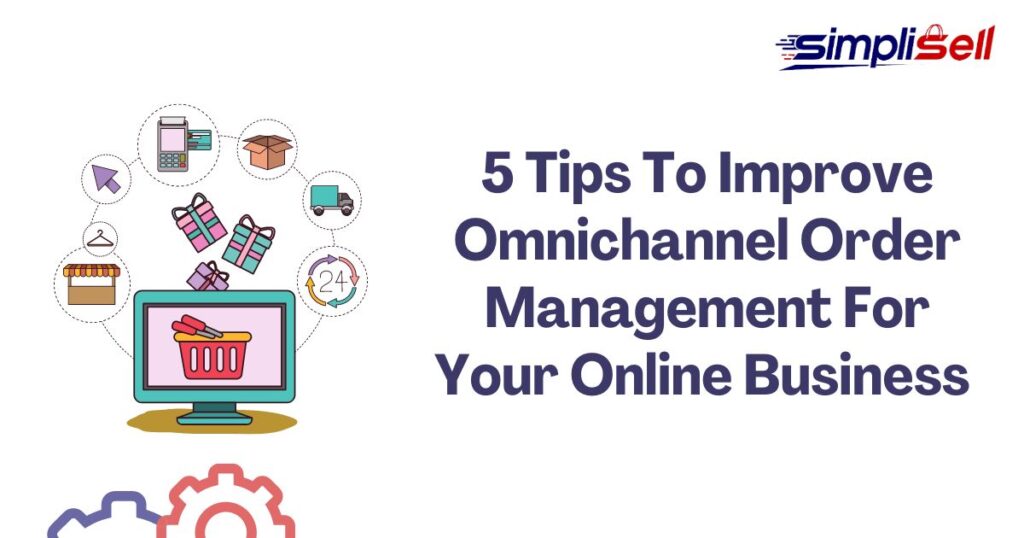
5 Tips To Improve Omnichannel Order Management For Your Online Business 

5 Tips To Improve Omnichannel Order Management For Your Online Business In today’s competitive e-commerce landscape, businesses need to ensure seamless customer experiences across multiple platforms and touchpoints. Omnichannel order management plays a crucial role in achieving this, as it allows businesses to manage orders from various sales channels—whether it’s online, in-store, or via social media—without any friction. However, effectively managing orders from different channels can be challenging. Here are five practical tips to improve your omnichannel order management for your online business.  Implement a Centralized Order Management System (OMS) The foundation of successful omnichannel order management lies in having a robust and centralized Order Management System (OMS). A centralized OMS acts as a hub that synchronizes orders from different sales channels into one place. It gives you real-time visibility into your inventory levels, customer data, and order status, regardless of where the order was placed.  A centralized system can automate and streamline the entire order process, from the initial placement to fulfillment and delivery. It minimizes manual errors, improves efficiency, and ensures that you never lose track of an order, no matter how many channels you’re managing.  Look for an OMS that integrates easily with all your sales platforms, including your e-commerce store, physical retail locations, and third-party marketplaces. With a central point of control, you’ll be able to handle multi-channel orders with ease.  Sync Inventory Across All Channels Inventory management is a crucial aspect of omnichannel order fulfillment. Customers expect a consistent shopping experience, and that includes up-to-date information on product availability, no matter where they are purchasing from.  To meet these expectations, you need to synchronize your inventory across all channels. Real-time inventory tracking will help prevent situations where a product is listed as available on one platform but is actually out of stock. You should invest in inventory management software that updates stock levels in real-time as orders are placed, ensuring that all platforms reflect accurate inventory data.  Additionally, syncing your inventory helps in optimizing stock levels and reducing excess inventory costs. It allows for better forecasting and ensures that you are neither overstocking nor understocking products, leading to more efficient order fulfillment.  Enable Flexible Fulfillment Options To cater to the diverse preferences of your customers, your business should offer multiple fulfillment options, such as in-store pickup (BOPIS), ship-from-store, curbside pickup, and home delivery. These flexible options not only enhance customer satisfaction but also help you manage fulfillment more efficiently based on geographic location and stock levels.  For instance, fulfilling an online order from the nearest retail store instead of a central warehouse can reduce shipping time and costs. Additionally, offering options like BOPIS (Buy Online, Pick Up In-Store) can drive foot traffic to physical stores, giving you an opportunity to cross-sell or upsell when customers arrive to pick up their orders.  By providing multiple fulfillment options, you can also spread your order fulfillment workload more evenly across locations, avoiding bottlenecks and ensuring smoother operations.  Optimize Shipping and Delivery Processes Shipping and delivery are the final steps in the customer journey, and ensuring smooth, reliable, and timely deliveries is essential for customer satisfaction. However, managing shipping across multiple channels can be challenging if you don’t have the right processes in place.  Invest in shipping software that allows you to compare rates from different carriers and automatically selects the best option based on the delivery location, shipping speed, and cost. Many advanced shipping platforms integrate seamlessly with your OMS, allowing for real-time tracking and notifications to keep customers informed about their order status.  Additionally, consider offering a range of shipping options, from express delivery to standard and economy shipping. Giving customers the flexibility to choose their preferred shipping method adds to the positive omnichannel experience.  Leverage Data and Analytics for Continuous Improvement To truly excel in omnichannel order management, you need to continuously track and analyze performance data across all your channels. This includes metrics such as order accuracy, fulfillment time, shipping costs, inventory levels, and customer satisfaction rates.  By leveraging data and analytics, you can identify trends, bottlenecks, and inefficiencies in your order management processes. For example, you may discover that certain sales channels consistently have higher rates of order errors, or that a specific warehouse is experiencing delays in shipping. With this data, you can take proactive steps to resolve issues and optimize your operations.  Data analytics can also help you better understand customer behaviors and preferences. For example, you can analyze which fulfillment options customers prefer, what times of year certain products are in high demand, and how different sales channels are performing. This information will allow you to make more informed decisions about inventory allocation, marketing strategies, and customer service improvements.  Conclusion  Improving omnichannel order management is crucial for delivering a seamless and consistent experience across all sales channels. By implementing a centralized Order Management System, syncing your inventory, offering flexible fulfillment options, optimizing shipping processes, and leveraging data analytics, you can enhance operational efficiency, reduce costs, and ultimately improve customer satisfaction.  Remember, the key to success in omnichannel order management is to maintain visibility and control over all your orders and inventory while delivering an exceptional customer experience, no matter where your customers are shopping. As the e-commerce landscape continues to evolve, businesses that prioritize these tips will be well-positioned to thrive in a multi-channel world. 

Scroll to Top