Simplisell

Author name: Prakash J

Online Store

How to Build Trust with First-Time Visitors to Your Online Store 

In the world of e-commerce, first impressions are everything. When a visitor lands on your website for the first time, they’re not just browsing—they’re silently asking themselves, “Can I trust this brand with my money?” If your site doesn’t immediately signal trust, credibility, and professionalism, that visitor will likely bounce and never return.  Building trust with first-time visitors is crucial because trust is the foundation of every online purchase. Unlike physical stores, online shoppers can’t feel your product or speak to a salesperson. Their decision to buy—or not—is based entirely on the digital experience you provide.  In this blog, we’ll explore effective ways to build trust with new visitors and turn them into paying, loyal customers.  1. Have a Clean, Professional Website Design  Your website is your storefront. Just as a messy, poorly lit shop would drive away customers in the real world, a cluttered or unprofessional website does the same online.  How to Make a Strong First Impression:  Even without consciously realizing it, users judge your business by your design. A smooth, intuitive, and visually appealing site immediately suggests reliability.  Platforms like Simplisell help you create professional-looking e-commerce stores without the need for designers or developers—making it easier for new sellers to look credible from day one.  2. Display Social Proof: Reviews, Testimonials, and UGC  Nothing builds trust faster than seeing real people vouch for your brand. Social proof reassures first-time visitors that others have bought from you and had a good experience.  Ways to Add Social Proof:  Make sure your reviews look authentic, are easy to find, and highlight both positive and constructive feedback to build credibility.  3. Use Clear, Transparent Policies  Transparency builds trust. When visitors can easily understand your shipping, return, and privacy policies, they feel safer doing business with you.  Key Policies to Highlight:  Place these policies in the footer or accessible links on product pages. Be upfront—it reduces friction and customer hesitation.  4. Show Real Contact Information and Business Identity  Shoppers want to know that there’s a real business behind the website. A faceless or anonymous brand can raise red flags.  Establish Your Identity:  The more human your brand feels, the more comfortable visitors will be making their first purchase.  5. Secure Your Website with HTTPS and Trust Badges  Security is a major concern for online shoppers—especially those entering card details. First-time visitors need to know that their information is protected.  Tips for Securing Trust:  A secure site not only protects your business but also encourages users to complete the checkout process with confidence.  6. Offer a Guarantee or Risk-Free Purchase  People hesitate to buy when they feel the risk is too high. By offering a satisfaction guarantee or easy return policy, you eliminate that fear.  Some common ways to do this:  Highlight your guarantee on product pages, in banners, or during checkout to boost confidence at the most critical point of decision-making.  7. Showcase Awards, Certifications, and Media Mentions  If your product or brand has been featured in media, received certifications, or won awards, don’t be shy—display it proudly.  Trust Indicators Could Include:  These external validations reassure users that your brand is trustworthy and credible.  8. Invest in Fast, Friendly Customer Support  Trust isn’t just built during the shopping experience—it’s also earned after the sale. Excellent customer support shows that you care and that customers can rely on you.  Make it easy for first-time visitors to:  A fast, empathetic response can often turn an uncertain visitor into a loyal customer.  Final Thoughts  Trust is the most important currency in e-commerce. Without it, even the best products won’t sell. By focusing on transparency, social proof, great design, and human connection, you can turn first-time visitors into first-time buyers—and eventually loyal fans.  If you’re launching a new e-commerce store and want to start with a trustworthy foundation, Simplisell makes it easy. From mobile-optimized design to integrated trust features and secure payment options, Simplisell helps you look credible from day one—no coding or tech team required.  Ready to launch your online store and win trust from the first click? Get started now at Simplisell.in 
Online Store

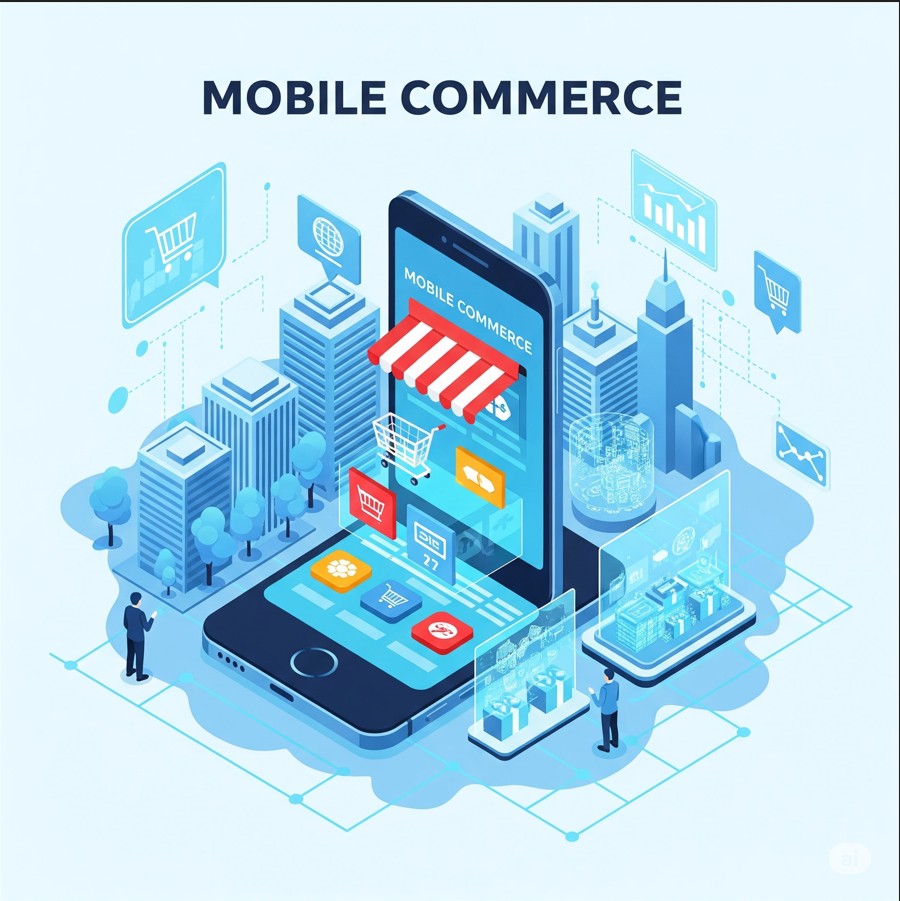
Why Mobile Commerce Is the Future of Online Shopping 

In today’s fast-paced digital world, convenience is everything. Consumers no longer want to be tied to a desktop or wait until they get home to make a purchase. Instead, they want the freedom to browse, compare, and buy—right from the palm of their hand. This shift in behavior has led to the explosive growth of mobile commerce, or m-commerce, and it’s clear that it’s not just a trend—it’s the future of online shopping.  With smartphones becoming more powerful and internet access more widespread, mobile commerce is reshaping the way consumers and businesses interact. For e-commerce brands, especially small and emerging ones, optimizing for mobile is no longer optional—it’s essential.  Let’s explore why mobile commerce is growing so rapidly and why your business should prioritize it now.  Mobile Usage Is at an All-Time High  One of the biggest drivers behind the mobile commerce boom is the sheer number of people using smartphones. According to recent studies, over 70% of internet users access the web via mobile devices. From Gen Z to baby boomers, nearly everyone carries a smartphone—and they’re using it to shop.  Whether it’s browsing new arrivals during a commute, placing an order while watching TV, or checking out with a few taps during a lunch break, shopping has become a mobile-first experience.  What does this mean for businesses? If your e-commerce store isn’t mobile-optimized, you’re likely losing potential customers every single day.  The Rise of Mobile Shopping Apps and Social Commerce  Another key factor driving mobile commerce is the rise of shopping apps and social commerce. Platforms like Instagram, Facebook, Pinterest, and TikTok have integrated shopping features that allow users to discover and purchase products without ever leaving the app.  These platforms have become digital marketplaces where users are constantly exposed to new products through influencers, ads, and brand content. The path from discovery to purchase is shorter, smoother, and more spontaneous—perfect for mobile users.  Even businesses that don’t have a mobile app can take advantage of this trend by integrating with social platforms and offering mobile-friendly checkouts, product tagging, and seamless user experiences.  Mobile Payments Are Becoming the Norm  The growth of mobile commerce is also being fueled by the rise in mobile payment options. From digital wallets like Apple Pay, Google Pay, and Paytm to UPI and buy-now-pay-later (BNPL) solutions, customers have more payment flexibility than ever before.  These payment options make checkout faster, safer, and more convenient, reducing friction and boosting conversions. They eliminate the need to enter card details manually, a process that often causes cart abandonment on mobile.  When your e-commerce store supports these methods, you cater to modern consumer preferences and increase the likelihood of completed purchases.  Mobile Commerce Offers a Personalized Shopping Experience  Mobile devices open the door for hyper-personalized shopping experiences. With access to real-time data, businesses can tailor product recommendations, offer location-based promotions, and send personalized push notifications or SMS reminders.  This kind of personalization makes customers feel seen and understood, which in turn boosts loyalty and lifetime value. Compared to desktop users, mobile shoppers are more likely to respond to time-sensitive offers or flash sales when prompted on their phones.  Leveraging personalization tools can help e-commerce stores deliver memorable and effective customer experiences directly through mobile channels.  Better Technology = Better Mobile Experiences  Today’s mobile websites and apps are no longer limited in design or functionality. Thanks to responsive design, progressive web apps (PWAs), and fast-loading pages, businesses can create fast, seamless, and visually stunning mobile shopping experiences.  These improvements address one of the key reasons people previously hesitated to shop on their phones: poor usability. Now, with intuitive navigation, optimized images, simplified menus, and one-click checkouts, customers enjoy a smooth journey from product discovery to payment.  With platforms like Simplisell, even first-time sellers can create mobile-optimized stores that look professional, load fast, and convert better—without needing to hire a developer.  Mobile Is Critical for Local and On-the-Go Shopping  Mobile commerce is especially powerful for location-based or impulse purchases. Consumers often search for products or stores “near me,” look up reviews while in-store, or make last-minute purchases from their phones.  For example, a customer might see a product on Instagram, check the price and reviews, and purchase it within minutes—all without opening a laptop. This kind of spontaneous behavior is common in mobile commerce and highlights the importance of having a store that’s always accessible.  If your mobile site is slow, cluttered, or hard to navigate, you risk losing that customer forever.  Mobile Commerce Is Scalable and Affordable  Unlike setting up physical stores or even traditional desktop-focused e-commerce sites, mobile commerce is scalable with relatively low investment. Platforms like Simplisell allow businesses to launch their mobile-ready online stores in under 5 minutes.  You don’t need a large team, technical knowledge, or big marketing budgets to start selling online. With the right tools and a mobile-first mindset, even solopreneurs and small businesses can compete with larger brands.  As your customer base grows, your mobile store grows with it—automatically adapting to different devices, customer preferences, and shopping behaviors.  Final Thoughts  Mobile commerce is no longer the future—it’s the present, and it’s evolving rapidly. With mobile traffic accounting for the majority of online shopping and consumers increasingly expecting fast, responsive, and personalized experiences, e-commerce businesses must put mobile at the center of their strategy.  If you’re just getting started or looking to optimize your e-commerce operations, Simplisell offers everything you need to build a mobile-friendly store that drives sales. From seamless checkout to mobile integrations and fast performance, Simplisell helps you sell smarter in a mobile-first world.  Ready to future-proof your e-commerce business? Start your mobile-optimized store today at Simplisell.in. 

Simplisell
Online Store

Pros and Cons of Starting an Online Store vs. a Physical Store 

As a budding entrepreneur or a business owner planning expansion, you may find yourself asking: “Should I open a physical store or an online store?” The rise of e-commerce has transformed the way people shop, giving businesses of all sizes the option to sell online and reach customers across the globe. However, traditional brick-and-mortar stores still offer unique advantages, especially when it comes to customer experience and local market presence.  Each model comes with its own set of benefits and challenges. In this blog, we’ll explore the pros and cons of starting an online store versus a physical store so you can make an informed decision that suits your product, budget, and business goals.  Pros of Starting an Online Store  1. Lower Startup and Operational Costs  One of the biggest advantages of an online store is its affordability. You don’t need to pay rent for a retail space, hire in-store staff, or invest heavily in physical infrastructure. Platforms like Simplisell allow you to set up a professional e-commerce website in just a few minutes with minimal upfront costs.  With reduced expenses for utilities, inventory storage, and maintenance, online stores often offer a much lower barrier to entry.  2. Sell Anywhere, Anytime  An online store lets you reach customers beyond your local area—across cities, states, and even countries. There are no geographic restrictions, and your store is open 24/7, even while you sleep.  This flexibility allows you to cater to a wider audience and scale more easily, making it especially useful for niche products or D2C (Direct-to-Consumer) brands.  3. Access to Data and Analytics  E-commerce platforms provide valuable insights about customer behavior, traffic sources, conversion rates, and more. With this data, you can refine your marketing strategies, improve product listings, and boost overall performance.  Analytics give you a clearer picture of what’s working and what needs improvement—something that’s harder to track in a physical store.  Cons of Starting an Online Store  1. High Competition and Low Trust Initially  The low barrier to entry in e-commerce also means that competition is intense. Standing out among hundreds (or thousands) of similar online stores can be tough. New shoppers may hesitate to buy from a brand they’ve never heard of, especially if the store lacks reviews or testimonials.  It takes time and effort to build trust, brand awareness, and a loyal customer base online.  2. Product Experience Limitations  Online shoppers can’t touch, feel, or try your products before purchasing. This often leads to doubts, increased return rates, or abandoned carts. While great photos and videos help, they don’t always replace the physical shopping experience—especially for apparel, furniture, or cosmetics.  Pros of Starting a Physical Store  1. Tangible Customer Experience  In a physical store, customers can physically interact with your products, ask questions in real time, and make decisions on the spot. This hands-on experience is often essential for certain categories like luxury goods, electronics, or fashion.  In-store experiences also allow you to create ambiance and personal connections that enhance your brand’s appeal.  2. Instant Trust and Local Visibility  Physical locations provide instant credibility. People often trust businesses they can see, visit, and interact with. A well-designed store in a good location naturally draws foot traffic and builds trust within the community.  For local businesses, physical presence can also lead to word-of-mouth marketing and brand recognition in the area.  Cons of Starting a Physical Store  1. High Initial Investment  Starting a brick-and-mortar store requires a substantial upfront investment. You’ll need to pay for rent, interior design, fixtures, inventory, staff, licenses, insurance, and utilities. Operational costs remain ongoing and often increase with time.  For small businesses or startups, these costs can be a major hurdle and increase financial risk.  2. Limited Reach and Business Hours  Unlike online stores, physical shops are bound by location and business hours. Your customer base is limited to people in your area, and you must close your store at night or during holidays unless you operate in shifts.  This limitation restricts scalability and reduces overall revenue potential compared to e-commerce models.  So, Which One Should You Choose?  Choose an Online Store if:  Choose a Physical Store if:  The Best of Both Worlds: Go Hybrid  Many successful brands today are adopting a hybrid model—operating both online and offline. This omnichannel approach allows businesses to offer flexibility, convenience, and the best possible customer experience.  You can launch online first (with platforms like Simplisell), validate your product-market fit, and then expand into physical locations once you’ve built a customer base. Alternatively, you can use a physical store as a showroom while handling most orders and deliveries online.  Final Thoughts  Both online and physical stores come with their own benefits and challenges. The right choice depends on your product, audience, budget, and vision. However, if you’re just starting and want a low-cost, scalable, and flexible way to test the market, launching an online store is often the smarter first step.  With tools like Simplisell, you can build your e-commerce website and start selling in under 5 minutes—without needing any technical skills. From product listings to payment gateways, everything is streamlined to help you focus on what matters most: growing your business.  Ready to bring your business idea to life? Start your online store today at Simplisell.in. 

Simplisell
Online Store

How to Start an E-Commerce Business from Scratch 

Starting an e-commerce business from scratch can feel overwhelming. From deciding what to sell to setting up your website and marketing your products, the process involves many steps—but with the right strategy and tools, it’s entirely achievable. The good news? You don’t need a huge budget, a tech team, or a physical storefront. What you do need is clarity, consistency, and a solid plan.  In this beginner-friendly guide, we’ll walk you through the essential steps to start your own e-commerce business from zero—no experience required.  Step 1: Choose a Niche and Product  The first step in starting your e-commerce journey is choosing a product or niche. This decision can make or break your business, so take the time to research and validate your idea.  Tips to Find a Profitable Niche:  Popular niche ideas include eco-friendly products, pet supplies, fashion accessories, handmade goods, digital downloads, and wellness products.  Once you’ve found your niche, narrow it down to a specific audience. A focused niche helps you market more effectively and stand out in a crowded market.  Step 2: Research Your Market and Competitors  Before investing time or money, understand who your competitors are and what your target customers want.  Conduct Market Research:  This step helps you identify gaps in the market, craft your unique selling proposition (USP), and build a product or service people actually want.  Step 3: Create a Business Plan  A business plan doesn’t need to be complicated, but it should outline your goals and strategy.  Include the Following:  Having a clear plan keeps you focused and helps you track progress as your business grows.  Step 4: Register Your Business and Handle Legalities  Make your e-commerce venture official by registering your business and handling legal basics.  Basic Legal Requirements:  These legal steps protect your business and build customer trust.  Step 5: Choose the Right E-Commerce Platform  Your e-commerce platform is your online storefront. Choose one that’s easy to use, scalable, and supports payments, shipping, and mobile optimization.  One great option for beginners is Simplisell. It allows you to:  Simplisell is ideal for first-time sellers and small business owners who want to launch quickly and professionally.  Step 6: Add Products and Write Great Descriptions  Once your store is ready, it’s time to add your products. This step is more than uploading pictures—it’s about creating a compelling experience.  Product Listing Tips:  Your goal is to answer every question a shopper might have before they hit “Buy Now.”  Step 7: Set Up Payment and Shipping  Customers expect a smooth, secure checkout process. Integrate trusted payment gateways and offer multiple options like UPI, credit/debit cards, and wallets.  Shipping Tips:  Providing a seamless post-purchase experience helps boost trust and reduce abandoned carts.  Step 8: Market Your Store  Now that your store is live, it’s time to drive traffic and start making sales. Your marketing strategy doesn’t need to be expensive—it needs to be consistent.  Starter Marketing Channels:  Simplisell also supports integrations with marketing tools, making it easy to track campaigns and optimize performance.  Step 9: Track, Learn, and Improve  No e-commerce store is perfect from day one. Use analytics to learn what’s working and what needs tweaking.  Metrics to Monitor:  Use tools like Google Analytics or built-in dashboards from your e-commerce platform to make informed decisions.  Final Thoughts  Starting an e-commerce business from scratch might seem intimidating, but with the right tools and mindset, it’s entirely within reach. Focus on solving real problems, creating value, and staying consistent with your efforts.  If you’re ready to turn your idea into a live online store without the technical headaches, Simplisell is your go-to solution. With its user-friendly design, fast setup, and all-in-one features, Simplisell helps you launch and grow your online business confidently.  Ready to start selling online? Get started with Simplisell today and build your e-commerce dream—fast and stress-free. 

Online Store

Social Media Marketing for E-Commerce: A Beginner’s Guide 

In the fast-moving world of online business, having a strong presence on social media isn’t just an option—it’s a necessity. For e-commerce brands, social media is more than just a space for posting pretty pictures; it’s a powerful tool for building your brand, engaging with customers, and—most importantly—driving sales.  If you’re new to selling online or just getting started with digital marketing, this beginner’s guide to social media marketing for e-commerce will walk you through the basics and help you turn likes into conversions.  Why Social Media Matters for E-Commerce  Social media platforms like Instagram, Facebook, Pinterest, and TikTok have transformed how people shop. Customers now discover products through stories, reels, influencer shoutouts, and targeted ads more than they do through search engines or email.  Here’s what makes social media so effective for online stores:  Step 1: Choose the Right Platforms  Not every platform is right for every business. Instead of trying to be everywhere, focus on the channels where your audience spends the most time.  Pick one or two platforms to start and learn to use them well before expanding further.  Step 2: Set Clear Goals  You can’t measure success if you don’t know what you’re aiming for. Define what you want to achieve through your social media marketing.  Some common goals include:  Your goals will shape the type of content you post, your posting frequency, and how you engage with followers.  Step 3: Create Engaging, Product-Focused Content  On social media, content is king. The better your content, the more engagement and visibility your posts will get.  Types of Content to Post:  Make sure your visuals are high-quality and your captions are clear, informative, and aligned with your brand tone.  Step 4: Use Hashtags and Tags Strategically  Hashtags help new customers discover your posts. Use a mix of trending, branded, and niche hashtags related to your product.  Tips:  Hashtags are especially powerful on Instagram, TikTok, and Pinterest, where discovery plays a major role in visibility.  Step 5: Post Consistently and Use Scheduling Tools  Consistency is key in social media marketing. You don’t need to post every day, but you do need to post regularly to stay on your audience’s radar.  Recommended Posting Frequency:  Use tools like Buffer, Later, or Meta Business Suite to plan and schedule your posts in advance. This helps maintain consistency without requiring daily effort.  Step 6: Engage With Your Audience  Social media is a two-way street. Replying to comments, answering questions, and acknowledging DMs builds trust and loyalty.  Best Practices:  The more you engage, the more likely the algorithm is to boost your posts.  Step 7: Run Targeted Ads to Boost Sales  Once you have some organic traction, scale your results with paid advertising. Social platforms offer highly targeted ad tools that allow you to reach potential customers based on interests, behavior, and purchase intent.  Start With:  Track your ad performance closely and adjust your targeting and creatives based on what works.  Step 8: Track Results and Improve  Use the built-in analytics on each platform to measure performance. Key metrics to track include:  Use these insights to identify your best-performing content, adjust your posting strategy, and make better decisions going forward.  Final Thoughts  Social media marketing is one of the most cost-effective and impactful strategies for growing an e-commerce brand. From building awareness and trust to generating direct sales, the opportunities are vast.  But like all good things, success takes time and consistency. Start by mastering one or two platforms, focus on high-quality content, engage with your audience, and scale using data.  If you’re just starting your e-commerce journey and need a reliable platform to launch your store, check out Simplisell. With features designed for quick setup, seamless integration with social media, and mobile-optimized design, Simplisell makes it easy to start selling online in just 5 minutes.  Sell smart. Grow fast. Start with Simplisell. 

Simplisell
Online Store

5 Proven Strategies to Increase Your Online Store’s Conversion Rate 

Attracting visitors to your e-commerce store is only half the battle—the real success lies in converting them into paying customers. Whether you’re getting 100 or 10,000 visitors a month, your conversion rate determines how many of those visits actually turn into sales.  A high-converting store doesn’t necessarily need more traffic—it needs a better user experience, clear messaging, and fewer barriers to purchase. The average e-commerce conversion rate ranges between 1% to 3%, which means even a small improvement can significantly boost revenue.  Here are five proven strategies to increase your online store’s conversion rate and turn casual browsers into loyal buyers.  1. Simplify and Speed Up the Checkout Process  Nothing kills conversions faster than a complicated, multi-step checkout process. Customers want a smooth and intuitive experience, especially on mobile. A lengthy form, mandatory account creation, or unexpected fees can lead to cart abandonment.  How to Optimize Your Checkout:  By removing friction and reducing effort, you can significantly improve conversion rates at the final and most crucial step of the journey.  2. Build Trust with Clear Policies and Social Proof  Online shoppers want to feel secure before making a purchase. They can’t touch or try your products, so they rely on trust signals—things that make them feel confident about your brand.  Trust-Building Essentials:  The more credible and transparent you are, the more likely users are to buy from you.  3. Optimize Product Pages for Clarity and Persuasion  Your product page is your virtual salesperson. A cluttered, unclear, or uninspiring product page can hurt conversions, no matter how great your product is.  Improve Your Product Pages By:  Make sure your product page addresses all doubts and convinces users why your product is the right choice.  4. Use Retargeting to Re-Engage Lost Shoppers  Most people won’t buy on their first visit. In fact, studies show that up to 98% of visitors leave without making a purchase. But that doesn’t mean they’re not interested. They may just need a reminder or a nudge to return.  Retargeting Strategies That Work:  Retargeting gives you a second chance to convert interested users and reduces wasted traffic.  5. Offer Limited-Time Promotions and Incentives  Creating a sense of urgency is a time-tested strategy to boost conversions. When customers feel like they might miss out on a deal, they are more likely to act immediately.  Smart Promotion Ideas:  Use countdown timers or urgency-based headlines to create FOMO (fear of missing out) and push users to complete their purchase faster.  Bonus Tip: Analyze and A/B Test Regularly  Improving your conversion rate is an ongoing process. What works for one store or product may not work for another. That’s why data-driven decisions are key.  Use tools like:  Even small tweaks—like changing button colors or repositioning product reviews—can yield noticeable results when based on data.  Final Thoughts  Boosting your e-commerce conversion rate isn’t about overhauling everything at once. It’s about making strategic improvements across your website, from the first visit to the final purchase.  By simplifying your checkout, building trust, optimizing product pages, re-engaging lost users, and creating urgency, you can turn more visitors into buyers—without increasing your ad spend.  If you’re looking for a platform that helps you implement these strategies easily, Simplisell is a powerful tool to consider. It lets you launch your e-commerce store in under 5 minutes and comes with built-in features like mobile optimization, SEO tools, and seamless integrations that help improve conversions right out of the box.  Start smart. Convert better. Grow faster—with Simplisell. 

Simplisell
Online Store

The Power of Influencer Marketing in E-Commerce 

In an age where consumers are constantly bombarded with ads and promotional content, authenticity stands out. This is precisely why influencer marketing has become one of the most powerful tools in e-commerce. Influencers—individuals with engaged followings on platforms like Instagram, YouTube, and TikTok—have the ability to connect brands with highly targeted audiences in a personal, relatable way.  Gone are the days when celebrities were the only ones capable of swaying public opinion. Today’s digital influencers range from macro-creators with millions of followers to micro-influencers who serve niche communities with unmatched credibility. For e-commerce brands, this presents a golden opportunity to drive awareness, traffic, and sales.  Let’s dive into how influencer marketing is reshaping the e-commerce landscape and how your brand can tap into its full potential.  1. Building Trust Through Authenticity  One of the key reasons influencer marketing works so well in e-commerce is trust. Influencers often build their followings by sharing genuine content—lifestyle tips, reviews, tutorials, and personal stories. Their followers value their opinions and see them as real people rather than corporate entities.  When an influencer recommends a product, it doesn’t feel like an ad—it feels like a friend’s advice. That’s why influencer-led campaigns typically see higher engagement rates and better conversion than traditional ads.  This authentic connection is especially important in product categories where buyers seek reassurance—such as fashion, beauty, wellness, and tech gadgets.  2. Reaching Niche and Targeted Audiences  Unlike mass media, influencer marketing allows for precise targeting. Whether your e-commerce brand sells eco-friendly kitchenware or streetwear for Gen Z, there’s an influencer whose audience perfectly matches your target customer.  Micro-influencers (10K–50K followers) often outperform larger creators in engagement rates because they cater to specific interests or communities. Their influence may be smaller in scale but stronger in impact.  By partnering with the right influencers, you can:  This makes influencer marketing cost-effective and scalable for e-commerce businesses of all sizes.  3. Driving Traffic and Sales  Influencer campaigns can be powerful sales drivers—especially when they include clear calls to action, discount codes, or affiliate links. Many influencers have loyal audiences who are ready to take action when they recommend something.  E-commerce platforms can track influencer-driven traffic and conversions through:  Influencer marketing works across multiple stages of the buyer journey—from awareness and consideration to final purchase. A well-placed product demo or unboxing video can turn interest into action.  4. Boosting Social Proof and Brand Credibility  Social proof—the idea that people follow the actions of others—plays a huge role in online shopping. When users see influencers using your product, it signals credibility and popularity.  Ways influencer content adds social proof:  This kind of content can also be repurposed in your paid ads, website, and email marketing to build trust across every channel.  5. Enhancing Content Strategy  Influencer marketing doesn’t just help you sell—it helps you create content that sells. Influencers are skilled content creators. Their posts are visually appealing, well-edited, and tailored to resonate with their audience.  Partnering with influencers can:  This user-first approach makes influencer content feel more relatable and persuasive than polished brand ads.  6. Increasing Brand Awareness  If you’re launching a new product or entering a new market, influencer marketing is a powerful way to gain visibility fast. A single influencer post or campaign can introduce your brand to thousands—or even millions—of potential customers in your niche.  Product launches, seasonal campaigns, or flash sales gain momentum when they’re backed by creators who can generate buzz and FOMO (fear of missing out).  A successful campaign with a few mid-tier influencers can often outperform expensive ad buys in terms of reach and resonance.  7. Measuring ROI with the Right Tools  Thanks to advancements in marketing tech, measuring the effectiveness of influencer campaigns is easier than ever. Platforms like Instagram, TikTok, and YouTube offer insights into views, clicks, shares, and saves.  Brands can track:  These analytics help fine-tune future collaborations and ensure your influencer marketing is aligned with business goals.  8. Leveraging Influencers for Long-Term Growth  While one-off campaigns can generate quick results, long-term partnerships with influencers build deeper brand loyalty. These creators become brand ambassadors—trusted figures who continuously promote your products and share in your mission.  Long-term collaborations:  Building these partnerships is a smart way to scale your influencer strategy while maintaining authenticity.  Final Thoughts  In the digital era, where consumer attention is limited and skepticism is high, influencer marketing stands out as a highly effective e-commerce growth strategy. It blends word-of-mouth trust with the reach of social media and delivers measurable results.  Whether you’re a startup or a growing D2C brand, tapping into the right influencers can help you:  If you’re launching your online store and want a platform that supports influencer-led marketing with ease, consider using Simplisell. With built-in tools for tracking, promotions, and sales performance, Simplisell helps you launch and scale fast—without needing a tech team.  Influencer marketing isn’t a passing trend—it’s the future of trust-based commerce. And your brand deserves to be part of it. 

Simplisell
Online Store

How to Drive Traffic to Your E-Commerce Website 

Launching an e-commerce website is just the beginning. The real challenge? Getting people to visit your store. With millions of online shops vying for attention, you need more than just a good product—you need a smart, consistent traffic strategy.  Driving traffic isn’t about choosing one tactic and hoping it sticks. It’s about combining multiple strategies—both free and paid—that work together to bring the right visitors to your site. Whether you’re starting fresh or trying to boost a slow store, here’s a complete guide on how to drive traffic to your e-commerce website.  1. Leverage the Power of SEO  Search Engine Optimization (SEO) is one of the most effective and sustainable ways to attract organic traffic. People are constantly searching for products, and if your store ranks on Google, they’ll find you.  Tips to Improve Your SEO:  When done right, SEO brings high-intent visitors who are more likely to buy—and you don’t pay for clicks.  2. Start a Blog and Content Marketing Strategy  Content marketing is a powerful way to build trust and drive consistent traffic. By publishing helpful, engaging content, you attract users looking for solutions that your products offer.  Ideas for E-Commerce Blog Content:  Content also fuels your SEO strategy and can be repurposed for email and social media. Just remember—focus on value first, promotion second.  3. Run Paid Ads for Instant Visibility  If you want quick results, paid advertising is your best friend. Google Ads, Meta Ads (Facebook and Instagram), and TikTok Ads can bring targeted traffic to your site within hours.  Best Practices:  Paid ads work best when combined with retargeting strategies to bring back visitors who didn’t buy on their first visit.  4. Be Active on Social Media  Social media platforms are where your customers hang out—and where your brand should be present and active. Social media marketing helps you grow awareness, engage with followers, and drive traffic to your website.  Platforms to Focus On:  Post consistently, engage with your community, and link back to your store via stories, bios, and shoppable posts.  5. Utilize Email Marketing  Email marketing isn’t just for retargeting—it’s also a great traffic driver. Sending regular newsletters or automated email flows can bring past visitors back to your store and turn first-time buyers into repeat customers.  Email Ideas That Drive Clicks:  Make sure every email links back to your site with a clear call to action.  6. Collaborate with Influencers and Affiliates  Influencer and affiliate marketing allows you to tap into an existing audience and build credibility. Even micro-influencers with a small but loyal following can generate significant traffic.  Ways to Collaborate:  These partnerships not only drive traffic but also build social proof that increases conversions.  7. Optimize for Mobile Traffic  More than half of e-commerce traffic comes from mobile devices. If your website isn’t mobile-friendly, you’re losing potential visitors and sales.  Mobile Optimization Tips:  Google also prioritizes mobile-optimized sites in search rankings, making mobile a must for both traffic and conversions.  8. Use Retargeting to Bring Back Lost Visitors  Most visitors won’t buy on their first visit—but that doesn’t mean they’re lost forever. Retargeting ads can bring them back when they’re ready to make a purchase.  How Retargeting Works:  Retargeting is one of the highest ROI tactics in digital marketing.  9. List Your Products on Marketplaces and Directories  Platforms like Google Shopping, Amazon, and niche directories can expose your products to a much larger audience. Even if customers end up buying from your site, these platforms act as traffic channels and search boosters.  Tips:  Diversifying your traffic sources reduces dependency on any one channel.  10. Use Simplisell to Launch and Grow Fast  All of the above strategies work best when your e-commerce store is set up for speed, scalability, and performance. That’s where platforms like Simplisell make a real difference.  With Simplisell, you can:  Simplisell takes the tech hassle out of running an e-commerce business—so you can focus on driving traffic and growing your brand.  Final Thoughts  Driving traffic to your e-commerce website is an ongoing process, not a one-time effort. By combining organic strategies like SEO and content marketing with paid campaigns and social engagement, you create a traffic engine that keeps growing over time.  The more quality visitors you bring to your site, the more opportunities you have to turn them into loyal customers. So start small, test often, and build momentum with consistent effort.  Want to grow your online store fast without tech headaches? Get started with Simplisell today. 

Simplisell
Online Store

Sustainability in E-Commerce: Why It Matters for Your Brand 

In an age where convenience meets conscious consumerism, sustainability in e-commerce is no longer optional—it’s essential. As climate change, overconsumption, and environmental degradation dominate global discussions, shoppers are shifting their values toward responsible buying. Today’s customers want more than great products and fast shipping—they want to support brands that reflect their ethics.  Sustainability has become a competitive advantage. Whether you run a small handmade brand or a scaling D2C enterprise, building an eco-conscious e-commerce business can help you attract loyal customers, reduce costs, and future-proof your brand. In this blog, we’ll explore why sustainability matters in e-commerce and how your brand can adopt greener practices that resonate with modern buyers.  1. Changing Consumer Expectations  Today’s consumers—especially Gen Z and Millennials—are increasingly aware of the environmental impact of their purchases. According to a Nielsen report, over 70% of global consumers are willing to pay more for products from brands committed to sustainability.  This means customers are actively looking for:  In the e-commerce space, where brand trust is earned digitally, demonstrating your commitment to the planet builds stronger emotional connections with shoppers. When customers feel aligned with your mission, they’re more likely to become repeat buyers and brand advocates.  2. Reducing Environmental Impact  E-commerce has many advantages—speed, convenience, and scalability. But it also poses significant environmental challenges:  Sustainable e-commerce seeks to minimize this footprint. By making simple changes like using recyclable or compostable packaging, reducing single-use plastics, and offering green delivery options, businesses can significantly lower their impact.  Some brands also use carbon offset programs or partner with logistics providers that focus on sustainable last-mile delivery, contributing to a more circular and responsible retail model.  3. Cost Efficiency and Long-Term Savings  Sustainability isn’t just about doing good—it also makes good business sense. Implementing eco-friendly practices often leads to cost savings in the long run.  For example:  Moreover, energy-efficient warehouses and servers cut utility bills and operating expenses. Over time, the return on investing in sustainability often outweighs the upfront cost.  4. Building a Stronger, Purpose-Driven Brand  A sustainable business is often perceived as more authentic and purpose-driven. In today’s crowded online marketplace, purpose differentiates. It shows that your brand is not just about profits but about impact.  Storytelling around your sustainability efforts—like sourcing materials locally, supporting artisans, or reducing waste—can set your brand apart. Share these stories on your product pages, packaging, and social media to inspire trust and create a deeper relationship with your audience.  Purpose-led brands also attract better talent, stronger partnerships, and more media coverage, enhancing their overall visibility and credibility.  5. Adapting to Regulations and Market Trends  Sustainability is no longer just a consumer trend—it’s becoming a compliance requirement. Governments and international bodies are introducing new regulations around environmental responsibility, data transparency, and ethical sourcing.  Examples include:  Being proactive and aligning with these regulations helps your business avoid penalties and prepares you for an increasingly regulated e-commerce future. It also positions you as a forward-thinking, responsible brand.  6. Creating Customer Loyalty Through Transparency  Transparency is a cornerstone of sustainability. Shoppers want to know where products are made, who made them, and under what conditions. Brands that provide this information build more trust and loyalty.  Consider adding:  Transparency not only satisfies customer curiosity—it strengthens their connection to your values and mission, making them more likely to stick with your brand over time.  7. Encouraging Conscious Consumption  Another pillar of sustainable e-commerce is helping customers buy better, not more. This could mean offering:  Encouraging mindful consumption may seem counterintuitive to sales at first, but it fosters trust and credibility that pay off in brand equity and repeat purchases.  8. Simplifying Sustainability with Tech  Sustainability doesn’t have to be complex or expensive. Tools like Simplisell make it easier for small and medium businesses to build eco-conscious online stores.  Simplisell enables:  With a few strategic tools and the right mindset, even first-time sellers can make sustainability a core part of their e-commerce strategy.  Final Thoughts  Sustainability in e-commerce isn’t just a trend—it’s the future of retail. Shoppers are increasingly aligning their wallets with their values, and brands that embrace sustainability now will lead the market tomorrow.  By adopting eco-friendly practices, embracing transparency, and communicating your efforts authentically, you create a business that’s not only profitable but also purposeful.  If you’re looking to build a sustainable, scalable online store that’s ready for the future, consider using Simplisell. It’s designed for business owners who want to sell smarter, faster, and more responsibly—with built-in features that help you reduce waste, manage resources efficiently, and build customer trust.  In the new era of commerce, sustainability isn’t just good PR—it’s good business.

Simplisell
Online Store

AI and Personalization: Changing the Way We Shop Online 

The way we shop online is evolving—and fast. What used to be a static browsing experience has now transformed into a dynamic, intuitive, and highly personalized journey. At the heart of this transformation is Artificial Intelligence (AI), which is reshaping how consumers discover, evaluate, and purchase products.  From personalized product recommendations to AI-powered customer service, modern e-commerce is becoming smarter, faster, and more aligned with individual shopper behavior. In 2025 and beyond, personalization powered by AI isn’t just a competitive advantage—it’s the new normal.  In this blog, we’ll explore how AI and personalization are changing the online shopping experience and what it means for e-commerce businesses of all sizes.  1. The Rise of Hyper-Personalized Shopping Experiences  AI allows e-commerce platforms to collect and process massive amounts of customer data—from browsing history and purchase behavior to preferences and device usage. This enables stores to offer tailored experiences for each individual shopper.  For example:  This level of hyper-personalization increases engagement, boosts conversions, and creates a smoother, more enjoyable shopping experience.  2. AI-Powered Product Recommendations  One of the most visible impacts of AI in e-commerce is smart product recommendations. Algorithms analyze what a customer views, adds to cart, or purchases—and then display similar or complementary products.  Whether it’s “You might also like,” “Frequently bought together,” or “Recommended for you,” these suggestions are driven by machine learning models that improve over time as they learn more about each shopper.  According to research, personalized product recommendations can increase average order value by up to 30%. They turn casual browsers into loyal buyers by making discovery easier and more relevant.  3. Intelligent Search and Navigation  Gone are the days of clunky site search bars that return irrelevant results. AI is powering smart search engines that understand context, intent, and even typos.  For instance:  This intelligent navigation helps customers find exactly what they need, reducing bounce rates and boosting satisfaction.  4. AI Chatbots for Instant Customer Support  Customers today expect instant support—and AI chatbots are making it possible. Unlike traditional support that requires human intervention, AI-driven chatbots can answer common queries 24/7, from order tracking and return policies to product details.  These bots:  The result? Faster response times, lower support costs, and a better overall experience.  5. Dynamic Pricing Based on Real-Time Data  AI is enabling dynamic pricing strategies that adjust in real time based on demand, competition, inventory levels, and user behavior.  For example:  This level of pricing optimization helps brands maximize profit margins while staying competitive.  6. Personalized Email and Retargeting Campaigns  AI is also revolutionizing how brands communicate with their audience. With tools like predictive analytics, businesses can send:  These targeted campaigns are far more effective than generic messages, boosting open rates, click-throughs, and conversions.  7. Inventory and Supply Chain Optimization  AI doesn’t just improve front-end shopping—it also powers back-end efficiency. Machine learning models help forecast demand, manage inventory, and optimize delivery routes.  This ensures that:  By anticipating customer needs, businesses can deliver better service and reduce operational costs.  8. Personalized Loyalty Programs  Traditional loyalty programs often treat all customers the same. AI allows for smart loyalty programs that reward customers based on their behavior and preferences.  For instance:  These personalized touches make customers feel valued and increase brand loyalty.  9. Enhanced Product Reviews and User-Generated Content  AI can analyze customer reviews to highlight common themes and sentiments. It can even suggest top-rated products based on your preferences or show reviews from users similar to you.  This builds trust and helps shoppers make informed decisions faster, especially for high-consideration purchases.  10. Making E-Commerce More Human  Ironically, one of the biggest impacts of AI is that it’s making online shopping feel more human. Through personalized experiences, smarter communication, and better service, AI is bridging the emotional gap between consumers and digital brands.  Customers feel understood, valued, and connected—traits that used to be reserved for in-store shopping.  Final Thoughts  AI and personalization are not futuristic trends—they are actively reshaping the e-commerce landscape right now. For businesses, embracing these technologies isn’t optional; it’s essential for staying relevant and competitive in a crowded marketplace.  Whether it’s smarter recommendations, faster service, or more targeted marketing, AI gives online retailers the power to offer truly individualized experiences at scale.  If you’re ready to bring AI-driven personalization to your online store, platforms like Simplisell make it easy. With built-in tools designed for ease, speed, and personalization, Simplisell helps you deliver better shopping experiences and grow your brand—without needing a tech team.  In the age of AI, the brands that win are those that know their customers best—and deliver exactly what they need, even before they ask. 

Scroll to Top