Simplisell

Author name: Prakash J

Simplisell
Online Store

Turning One-Time Shoppers into Repeat Buyers: Smart E-Commerce Strategies

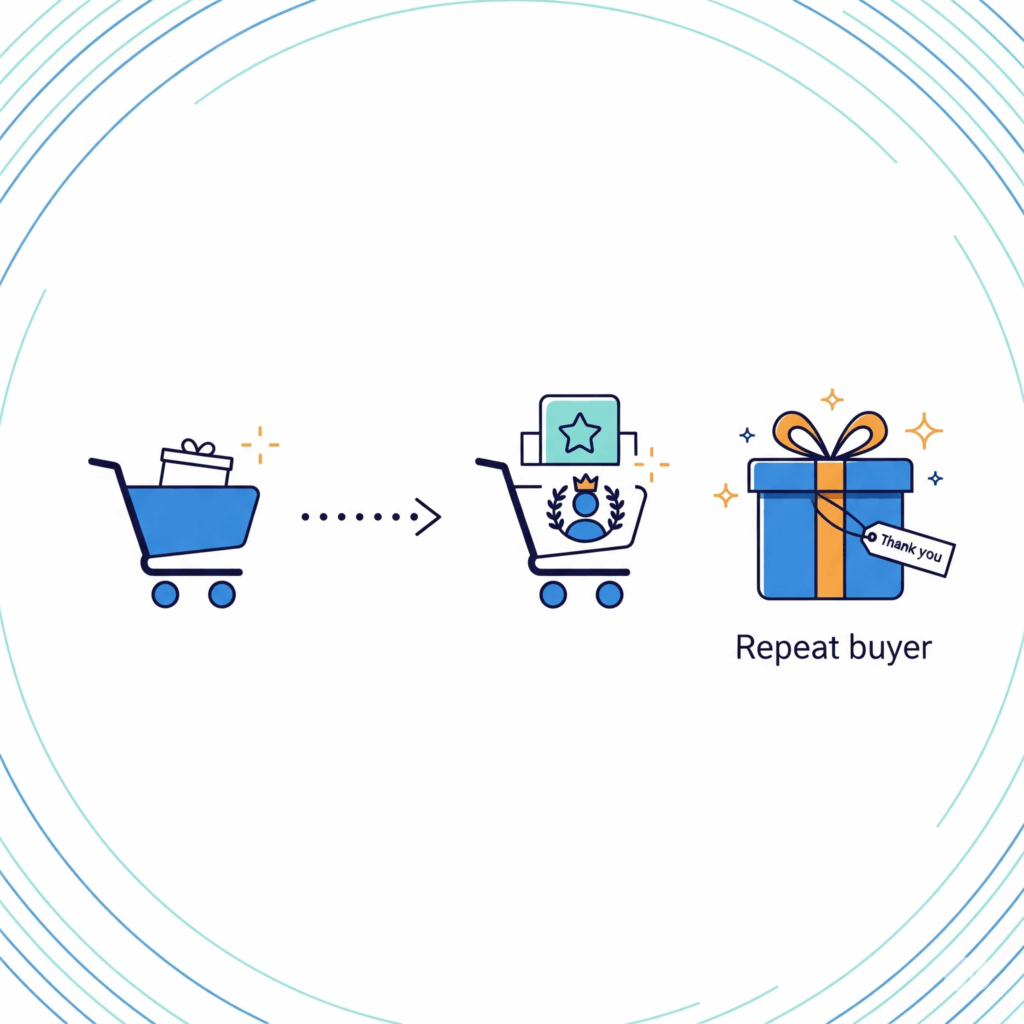
In the competitive world of e-commerce, getting customers to make their first purchase is only half the battle. The real challenge—and opportunity—lies in turning those one-time shoppers into repeat buyers. Studies show that increasing customer retention rates by just 5% can boost profits by 25% to 95%. Repeat customers not only spend more but also become advocates for your brand. To thrive in today’s market, e-commerce businesses must focus on building loyalty, trust, and long-term relationships through smart strategies.  Why Repeat Buyers Matter  Acquiring a new customer often costs five times more than retaining an existing one. First-time shoppers are usually cautious and may only test your store with a small purchase. But when they return, their basket size often grows as trust builds. Repeat customers also have a higher lifetime value, provide word-of-mouth marketing, and create stability for your business. In short, they are the backbone of sustainable e-commerce growth.  Deliver a Seamless Post-Purchase Experience  The customer journey doesn’t end at checkout. If the post-purchase experience falls short, a one-time buyer may never return. Focus on fast, reliable shipping, transparent tracking, and eco-friendly packaging that reflects your brand values. A follow-up email thanking the customer and confirming order details can build trust. Going a step further with proactive updates on shipping progress or delivery status assures the customer that you care. A positive post-purchase experience leaves a lasting impression and lays the foundation for repeat business.  Personalize Customer Engagement  Today’s shoppers expect personalized experiences. Use data from customer interactions, browsing history, and purchase behavior to tailor product recommendations and communication. Personalized emails such as “You might also like” suggestions or reminders about complementary products can drive repeat sales. Loyalty-building also comes from remembering customer preferences—like offering size or color recommendations based on previous choices. The more relevant the engagement, the more valued your customers will feel, increasing their likelihood of returning.  Create Loyalty Programs That Work  Loyalty programs are one of the most effective tools to transform one-time buyers into repeat customers. Reward shoppers for every purchase, referral, or social media mention. Points can be redeemed for discounts, free shipping, or exclusive products. Tiered programs that offer greater benefits for higher spending can motivate customers to stay engaged and keep shopping. More importantly, structure your loyalty program so that it feels effortless and rewarding, not complicated. Simple, transparent rewards encourage customers to come back for more.  Stay Top-of-Mind With Remarketing  Even satisfied first-time shoppers may forget your store in a crowded online marketplace. Remarketing campaigns—through email, SMS, or social media ads—can help you stay on their radar. For example, send a reminder about items left in their cart, or offer a discount code for their next purchase. Gentle nudges like “We thought you’d love this” or showcasing trending products keep your brand in front of them. The key is to strike a balance: stay visible without overwhelming your customers with constant messages.  Build Trust With Social Proof and Reviews  New shoppers often rely on reviews and ratings before making repeat purchases. Encourage satisfied customers to leave feedback after their first order. Share these testimonials on your product pages, social media, and email campaigns. Featuring user-generated content such as photos of customers using your products adds authenticity. This social proof reassures one-time buyers that others trust your brand, making them more likely to buy again. Transparency and trustworthiness play a critical role in creating long-term relationships.  Offer Exclusive Deals to Returning Customers  A smart way to motivate customers to come back is by offering exclusive deals for their second or third purchase. For example, send a personalized thank-you email after their first order with a discount for the next one. VIP sales or early access to new collections for returning customers can also create excitement and a sense of privilege. Shoppers who feel they are getting special treatment are more likely to develop brand loyalty and turn into repeat buyers.  Invest in Customer Support  Customer support is often underestimated in e-commerce. One poor experience with returns, refunds, or inquiries can turn away a buyer for good. On the other hand, exceptional support can convert a hesitant first-time customer into a lifelong advocate. Offer multiple channels for support, such as live chat, email, and social media. Ensure responses are quick, empathetic, and solution-oriented. A proactive support team that goes above and beyond creates a positive impression that shoppers won’t forget.  Focus on Community and Connection  Beyond transactions, successful e-commerce brands build communities around shared values and interests. Invite customers to join your brand’s social media groups, participate in surveys, or contribute to discussions about new products. Sharing behind-the-scenes stories about your business, employees, or production process makes customers feel connected on a deeper level. When shoppers feel part of a community, they are more likely to stay loyal and engage repeatedly with your brand.  Conclusion: Retention Over Acquisition  Turning one-time shoppers into repeat buyers requires a shift in focus from short-term transactions to long-term relationships. By delivering excellent post-purchase experiences, personalizing engagement, rewarding loyalty, and staying top-of-mind, you create reasons for customers to return again and again. Remember, retention isn’t just about discounts—it’s about building trust, delivering value, and fostering genuine connections. In the crowded e-commerce landscape, brands that master customer retention strategies will not only survive but thrive. 
Simplisell
Online Store

E-Commerce SEO: How to Rank Your Online Store on Google

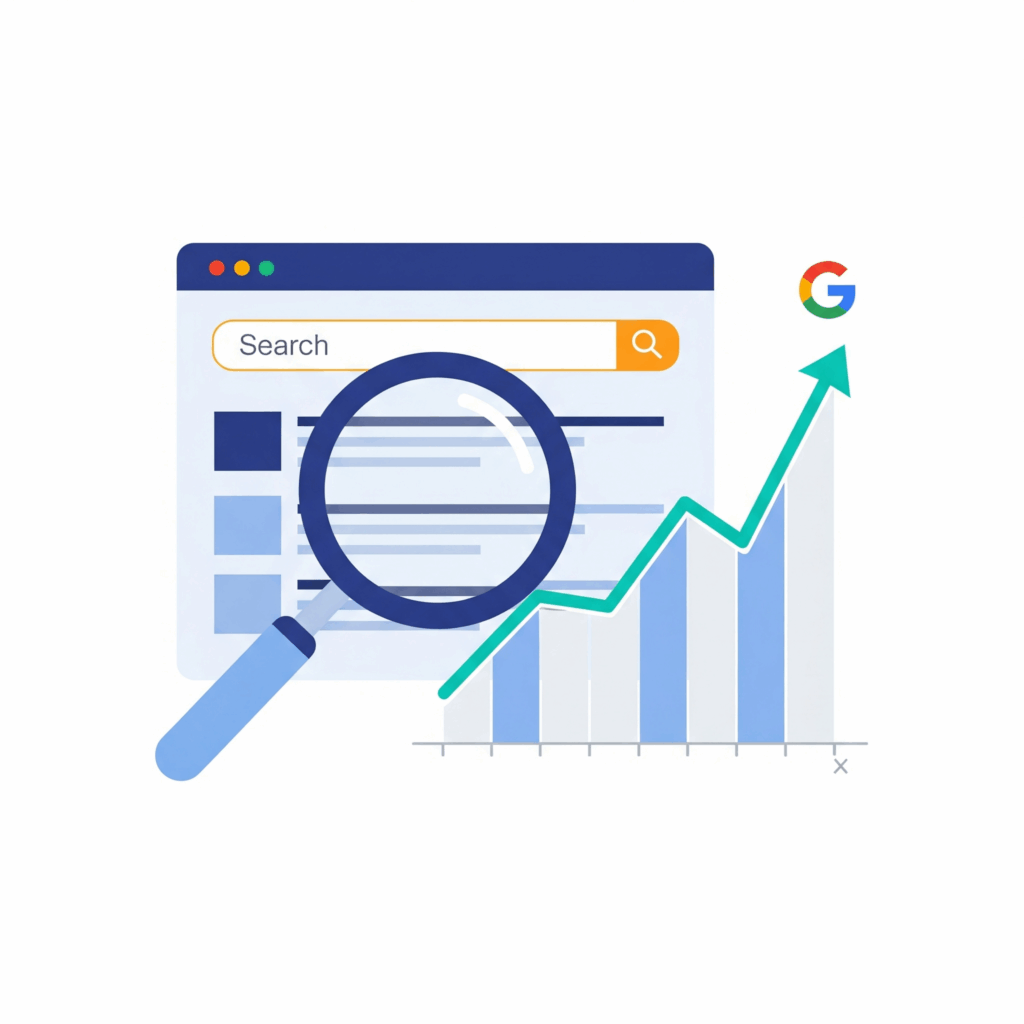
In the highly competitive world of online shopping, having a well-designed store and quality products isn’t enough. If your store isn’t visible on Google, your potential customers may never even discover it. That’s where E-commerce SEO (Search Engine Optimization) comes in. By optimizing your online store, you increase its chances of ranking higher on Google’s search results, driving organic traffic and, ultimately, sales. Let’s explore how you can rank your online store effectively using proven SEO strategies.  Why SEO Matters for E-Commerce  Unlike paid ads, SEO is a long-term investment. When your store ranks on Google organically, it builds trust with customers, as people often view top search results as more credible. Studies show that 68% of online experiences start with a search engine, and the first page of Google gets over 90% of clicks.  For e-commerce brands, SEO is even more powerful because it directly connects shoppers with their buying intent. For example, if someone searches “best organic cotton bedsheets online,” they’re already ready to purchase. Ranking for such queries can skyrocket your sales.  Step 1: Optimize Your Keyword Strategy  The backbone of SEO is keyword research. For e-commerce, keywords should match both product searches and buying intent.  Tools like Google Keyword Planner, Ahrefs, or Ubersuggest can help identify what your customers are searching for. Place these keywords strategically in product titles, descriptions, meta tags, and even image alt text.  Step 2: Product Page Optimization  Every product page on your site is a chance to rank on Google. An optimized product page should include:  Step 3: Create a User-Friendly Site Structure  A cluttered site confuses both customers and search engines. A clean structure ensures smooth navigation and better indexing by Google.  Remember: a seamless shopping journey not only boosts rankings but also improves conversions.  Step 4: Improve Site Speed and Mobile Optimization  Google prioritizes fast, mobile-friendly websites in its rankings. With most shoppers browsing on smartphones, speed is critical.  Google’s PageSpeed Insights tool can help identify what’s slowing down your site.  Step 5: Build Content Around Your Store  Content marketing and SEO go hand in hand. By creating helpful and engaging content, you can attract organic traffic while positioning your store as an authority.  The more valuable content you publish, the more opportunities you create for customers to find your store.  Step 6: Focus on Technical SEO  Behind the scenes, technical SEO ensures search engines can crawl and index your website properly.  Step 7: Build Backlinks and Social Proof  Backlinks—links from other websites to yours—are like votes of confidence for your store. The more authoritative links you have, the higher your chances of ranking.  Social proof also boosts credibility, signaling to Google that your site is trustworthy.  Step 8: Measure and Adjust  SEO isn’t a one-time task; it’s an ongoing process. Track your performance using tools like:  Regularly update content, test keywords, and fine-tune your strategy based on results.  Conclusion  Ranking your e-commerce store on Google requires a mix of keyword strategy, content creation, technical SEO, and user experience optimization. While it may seem overwhelming, the payoff is huge—organic traffic that costs nothing compared to paid ads and builds long-term trust.  By focusing on SEO consistently, you’re not just driving visitors—you’re attracting potential customers ready to buy. Start small, optimize gradually, and watch your store climb Google’s rankings while your sales grow. 

Simplisell
Online Store

Building Brand Loyalty in the D2C E-Commerce Era 

In the fast-paced world of Direct-to-Consumer (D2C) e-commerce, gaining a customer’s attention is only half the battle — keeping them is where long-term success lies. With competition just a click away, brand loyalty has become a critical factor that separates thriving businesses from those constantly scrambling for the next sale.  Unlike traditional retail, D2C brands have the unique advantage of owning the customer relationship from start to finish. This direct connection opens up endless opportunities to create memorable experiences that keep buyers coming back. In this blog, we’ll explore how to build and maintain brand loyalty in today’s competitive e-commerce environment.  1. Understanding Brand Loyalty in the D2C Context  Brand loyalty goes beyond repeat purchases — it’s about creating a deep emotional connection where customers actively choose your brand over others, even when alternatives exist. In the D2C era, this connection is built on three main pillars:  When these elements work together, your customers don’t just buy — they become brand advocates.  2. Delivering Consistent Product Quality  No amount of marketing can make up for poor product quality. In D2C e-commerce, your product is your strongest brand ambassador. Consistency is essential — customers should receive exactly what they expect every time they order.  This means:  When customers can rely on your brand for dependable quality, they’re more likely to return and recommend you to others.  3. Crafting a Memorable Brand Story  One of the biggest advantages of the D2C model is the ability to tell your own story directly to your audience. Customers often connect emotionally with the “why” behind a brand.  Whether it’s your commitment to sustainability, your journey from small startup to growing business, or the unique inspiration behind your products, storytelling humanizes your brand and creates a sense of belonging. Use your website, packaging, and social media channels to share your story consistently.  4. Providing Exceptional Customer Service  In D2C e-commerce, customer service is your frontline in building loyalty. A prompt, helpful, and friendly response to inquiries can turn a casual buyer into a lifelong customer.  Consider offering:  Going the extra mile — such as including a handwritten thank-you note — can leave a lasting impression.  5. Personalizing the Customer Experience  One-size-fits-all marketing no longer works. Personalization is now a key driver of loyalty. Thanks to the direct relationship with customers, D2C brands have access to valuable data that can tailor the shopping experience.  Examples of personalization include:  When customers feel like your brand “gets” them, they’re far more likely to return.  6. Creating a Seamless Omnichannel Experience  Customers may interact with your brand across multiple platforms — your website, Instagram, email newsletters, and even offline pop-up events. A seamless omnichannel experience ensures that no matter where they engage with you, the branding, tone, and service remain consistent.  For example, if a customer adds an item to their cart on your website, they should be able to access it from your mobile app later. Consistency across channels reinforces trust and reliability.  7. Building a Community Around Your Brand  Loyalty grows stronger when customers feel like part of a community. Encourage interaction not just between your brand and customers, but also among customers themselves.  Ways to build community:  Community building turns buyers into loyal fans who are emotionally invested in your success.  8. Rewarding Loyalty  A well-designed loyalty program can significantly increase repeat purchases. Reward customers for actions such as purchases, referrals, social media engagement, or leaving reviews.  Loyalty rewards could include:  The goal is to make loyal customers feel valued and appreciated.  9. Gathering and Acting on Feedback  Customer feedback is one of the most valuable tools for improving your brand. Ask for reviews, send post-purchase surveys, and monitor social media mentions. More importantly, act on the insights you gather.  When customers see you making changes based on their input, they feel respected and heard — strengthening their loyalty.  10. Staying True to Your Values  Today’s consumers, especially younger generations, care about a brand’s values. Whether it’s sustainability, ethical sourcing, or social responsibility, being transparent and authentic builds trust.  If you take a stand on certain issues, back it up with real action. Customers are quick to spot insincerity, but when you remain consistent, you attract like-minded people who are more likely to stay loyal.  Final Thoughts  In the D2C e-commerce era, building brand loyalty is about more than offering a great product — it’s about creating meaningful, consistent, and personalized experiences. From the first interaction to ongoing engagement, every touchpoint is an opportunity to strengthen the bond between your brand and your customers.  By focusing on trust, personalization, community, and shared values, you can turn one-time buyers into passionate advocates who not only return but also help spread the word. In a marketplace full of choices, loyalty is your most valuable currency. 

Simplisell
Online Store

From Hobby to Business: Launching Your First Online Store

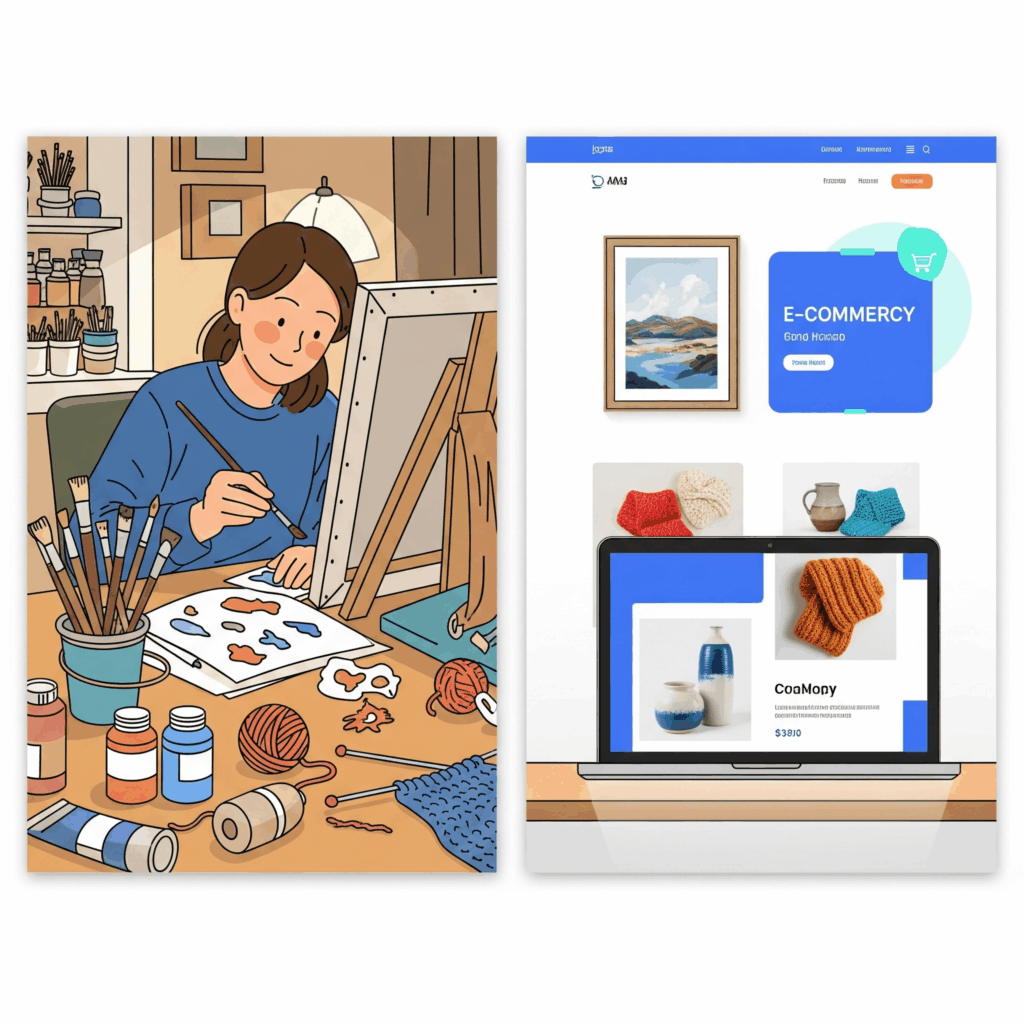
Turning a hobby into a thriving business is a dream for many. Whether you love crafting jewelry, painting, baking, or designing clothing, the digital era has made it easier than ever to sell your creations online. With the right approach, passion projects can evolve into profitable ventures. Here’s a step-by-step guide to help you launch your first online store successfully.  1. Understanding the Transition from Hobby to Business  A hobby is something you do for personal satisfaction, while a business requires planning, structure, and a focus on profit. The first step is to evaluate whether your hobby has the potential to generate consistent income. This means asking yourself questions like:  The mindset shift is crucial. You’ll need to think beyond creativity and begin considering pricing strategies, branding, and long-term growth. While this may seem daunting, it’s also the most exciting part — turning something you love into a livelihood.  2. Identifying Your Niche and Target Audience  An online store thrives when it caters to a specific niche. Instead of trying to sell to everyone, identify your ideal customer and create products that speak directly to their needs and tastes. For example, if you make candles, will you focus on eco-friendly soy candles, luxury scented candles, or personalized gift sets?  Defining your niche helps you stand out in a crowded online marketplace. Once you know who your audience is, you can tailor your branding, product descriptions, and promotions to appeal directly to them.  3. Choosing the Right Platform for Your Store  The platform you choose will shape your selling experience. Popular options include:  When selecting a platform, consider factors like ease of use, transaction fees, customization options, and marketing tools. Your platform should support your growth without being overly complicated to manage.  4. Branding: Creating a Memorable Identity  Your brand is more than just a logo — it’s the overall experience customers have with your business. This includes your store’s name, visual style, tone of voice, and even packaging. Strong branding builds trust and encourages repeat purchases.  To create a memorable brand:  5. Product Photography and Descriptions  Online shoppers can’t physically touch your products, so your photos and descriptions must do all the convincing. High-quality images from multiple angles, close-ups of details, and lifestyle shots will help customers visualize the product in their own lives.  Product descriptions should be clear, engaging, and informative. Highlight the benefits, materials used, and any unique features. If your products are handmade, share the process — it adds authenticity and value.  6. Setting Prices Strategically  Pricing is a balancing act between covering costs, staying competitive, and ensuring profitability. Consider the following when setting prices:  Avoid undervaluing your work just to attract buyers. Pricing too low can hurt your brand’s image and sustainability.  7. Marketing Your Store  Even the best products won’t sell if no one knows about them. Build awareness through:  Consistency is key. Regular posts, updates, and interaction with your audience will keep your store in customers’ minds.  8. Managing Orders, Shipping, and Customer Service  Efficient order fulfillment is essential for customer satisfaction. Choose reliable shipping partners and clearly communicate delivery times. Offering tracking details and updates builds trust.  Customer service is equally important. Respond to queries promptly, address issues professionally, and consider adding a return or exchange policy. A happy customer is more likely to leave a positive review and refer others to your store.  9. Tracking Performance and Adapting  Once your store is running, regularly review your performance metrics — sales numbers, website traffic, customer feedback, and marketing ROI. Identify what’s working and where improvements are needed.  Flexibility is key in the e-commerce space. Trends change, customer preferences evolve, and new tools emerge. Stay informed and be ready to adapt your strategies for continued growth.  10. Staying Motivated and Growing Your Business  Turning a hobby into a business is rewarding but can also be challenging. There will be slow days, technical issues, and learning curves. Stay motivated by remembering why you started and celebrating small milestones.  As your business grows, consider expanding your product line, collaborating with other creators, or exploring wholesale opportunities. The possibilities are endless once your online store finds its rhythm.  Final Thoughts  Launching your first online store is a journey that blends passion with strategy. By understanding your market, creating a strong brand, and delivering excellent customer experiences, you can transform your hobby into a sustainable business. With dedication, creativity, and the right tools, your passion can not only bring you joy but also financial freedom.  If you’re ready to take the leap, start with a simple, beginner-friendly platform like Simplisell to bring your vision to life. Your first sale is just the beginning. 

Simplisell
Online Store

Selling Handmade or Custom Products Online: A Simplisell Guide 

The digital marketplace has transformed how artisans, creators, and small business owners connect with buyers. Today, selling handmade or custom products online is more than just listing items—it’s about building a brand, telling a story, and delivering a customer experience that keeps shoppers coming back. Whether you craft jewelry, design home décor, or personalize apparel, platforms like Simplisell make it easier than ever to launch and grow your online business without getting tangled in technical complexity.  In this guide, we’ll explore the essential steps to successfully sell handmade or custom products online using a streamlined platform like Simplisell.  1. Define Your Niche and Unique Selling Proposition (USP)  Before you set up your store, you need clarity on what sets your products apart. In the handmade and custom product space, competition is growing, but so is customer demand for unique, personalized items. Ask yourself:  For example, if you sell handcrafted candles, your USP might be “eco-friendly soy candles with unique, locally inspired scents.” By pinpointing your niche, you can create targeted messaging and stand out in a crowded marketplace.  2. Set Up Your Online Store with Ease  One of the biggest hurdles for creative entrepreneurs is the technical setup of an e-commerce website. Platforms like Simplisell remove this barrier by offering:  All you need to do is upload your products, write clear descriptions, add quality images, and your store is ready to welcome customers.  3. Showcase Products with Compelling Visuals  Handmade and custom products rely heavily on visual appeal. Since customers can’t touch or feel your products online, high-quality photography becomes your most powerful sales tool.  Tips for great product photos:  On Simplisell, you can easily upload multiple images per product, allowing shoppers to get a full sense of your work.  4. Write Descriptions That Sell the Story  Handmade items often carry emotional value because of the story behind them. Your product descriptions should not just list features but evoke feelings.  Instead of:  “Handmade leather wallet, brown, 4×6 inches.”  Try:  “Crafted from premium full-grain leather, this wallet blends timeless style with durability. Each piece is hand-stitched and unique, making it the perfect gift for someone who values craftsmanship.”  By weaving in details about the process, materials, and inspiration, you can connect with buyers on a deeper level.  5. Offer Customization Options Clearly  If you sell custom products—such as engraved jewelry or personalized stationery—make the ordering process clear. On Simplisell, you can use customization fields to let customers select sizes, colors, or add their personal messages.  Key tips for offering custom products:  When buyers understand exactly what they’re getting and how long it will take, they are more likely to order confidently.  6. Price Products for Profit and Sustainability  Many artisans struggle with pricing because they undervalue their time and skill. While competitive pricing matters, you must also cover costs and ensure profit.  Factor in:  Simplisell’s built-in inventory and cost tracking tools can help you determine the right price points while ensuring profitability.  7. Build Trust with Social Proof  For handmade products, trust plays a huge role in purchase decisions. New buyers often look for validation from others before committing.  Ways to build social proof:  Simplisell allows you to integrate reviews directly, so potential buyers see real feedback before making a purchase.  8. Use Marketing to Drive Traffic and Sales  Having a great store is just the first step—you also need visitors. With Simplisell, you can integrate your store with marketing tools to reach more customers.  Marketing channels for handmade products:  9. Provide Outstanding Customer Service  Customer experience can make or break your business. Respond promptly to inquiries, provide shipping updates, and handle any issues with empathy.  Customer service tips:  Simplisell’s order tracking and communication tools make it easier to keep customers informed every step of the way.  10. Keep Evolving Your Offerings  The beauty of selling handmade or custom products is that you can adapt quickly to trends and customer feedback. Regularly introduce new designs, seasonal items, or limited editions to keep your store fresh.  Conclusion  Selling handmade or custom products online is a rewarding venture that blends creativity with entrepreneurship. With the right tools and strategy, you can reach customers worldwide without needing technical expertise. Platforms like Simplisell simplify store setup, marketing, and order management—freeing you to focus on what you love most: creating exceptional products.  If you’ve been waiting for the perfect time to start, this is it. Your audience is out there, searching for something unique. Let Simplisell help you bring your craft to the world—one order at a time. 

Simplisell
Online Store

How to Retain Customers Through Post-Purchase Engagement

In today’s competitive market, attracting a new customer often costs significantly more than keeping an existing one. Businesses that focus only on the initial sale risk losing valuable opportunities for repeat business and brand loyalty. Post-purchase engagement—the interaction a company maintains with customers after they’ve made a purchase—is a powerful way to build trust, deepen relationships, and increase lifetime value. By creating meaningful connections after the sale, brands can turn one-time buyers into loyal advocates.  Why Post-Purchase Engagement Matters  Customer retention is not just about offering good products; it’s about ensuring customers feel valued and understood. A well-designed post-purchase experience shows customers that the business cares beyond the transaction. This fosters trust, encourages positive word-of-mouth, and improves customer lifetime value (CLV).  Studies have shown that existing customers are more likely to purchase again and spend more than new customers. Furthermore, a satisfied customer often becomes a brand ambassador, influencing friends, family, and online networks. Post-purchase engagement bridges the gap between a one-time sale and a long-term relationship.  Personalized Follow-Ups  Personalized communication is a cornerstone of post-purchase engagement. Sending a tailored thank-you message, offering relevant product recommendations, or checking in to ensure satisfaction can make customers feel valued. Email and SMS are effective channels, especially when messages are timely and relevant.  For instance, if a customer buys a skincare product, sending them tips on how to use it or suggesting complementary items creates value beyond the purchase. This approach not only encourages repeat buying but also strengthens the brand’s position as a helpful partner rather than just a seller.  Onboarding and Product Education  When customers receive guidance on how to use a product effectively, they’re more likely to be satisfied with their purchase. Post-purchase engagement can include detailed onboarding emails, instructional videos, or user guides. This is particularly important for products that require setup or have multiple features.  Educated customers are less likely to return products and more likely to see their value. For example, a tech company might send step-by-step tutorials to help new users get the most out of their device. This reduces frustration, increases confidence, and fosters a positive brand impression.  Loyalty Programs and Rewards  Rewarding customers for repeat purchases can be a strong retention strategy. A well-structured loyalty program encourages customers to return by offering points, discounts, or exclusive access to products. However, loyalty programs work best when they’re easy to join, simple to understand, and offer meaningful benefits.  Integrating loyalty perks into the post-purchase communication keeps the relationship active. For example, following a purchase, a customer might receive a message highlighting how many points they’ve earned and what rewards are within reach. This gamifies the shopping experience and motivates future engagement.  Asking for Feedback and Acting on It  Feedback collection is another valuable post-purchase engagement tactic. It shows that the brand cares about customer opinions and is willing to make improvements. Surveys, review requests, and follow-up calls are effective ways to gather insights.  However, the true impact comes from acting on feedback. When customers see that their suggestions lead to changes—whether it’s improved packaging, faster delivery, or enhanced product features—they feel a stronger connection to the brand. This transparency fosters trust and long-term loyalty.  Exclusive Content and Community Building  Post-purchase engagement isn’t limited to direct product interactions. Offering exclusive content—such as tips, behind-the-scenes updates, or early access to new launches—keeps customers interested even when they’re not actively shopping.  Some brands take this further by creating customer communities, whether through social media groups, forums, or live events. These spaces allow customers to share experiences, seek advice, and feel part of something bigger. A strong brand community often becomes a self-sustaining source of advocacy and retention.  Proactive Customer Support  Good customer service shouldn’t end at checkout. Proactive support—such as checking in to ensure orders arrived safely or reminding customers about warranty benefits—can prevent issues before they escalate. This approach demonstrates reliability and care.  Providing multiple support channels, including chat, email, and phone, ensures that customers can reach the business easily if they have questions or concerns. Quick, empathetic responses can turn potential dissatisfaction into positive experiences.  Consistency Across Touchpoints  One of the most overlooked aspects of post-purchase engagement is consistency. The tone, quality, and responsiveness customers experience after purchase should match what they saw during the sales process. Consistency builds familiarity and reinforces trust.  Whether a customer interacts with marketing emails, support staff, or the company’s social media, the message should be aligned and the service level equally high. This uniform experience assures customers that they can rely on the brand at every stage of the relationship.  Final Thoughts  Retaining customers through post-purchase engagement requires thoughtful planning and genuine care. Businesses that prioritize personalized follow-ups, education, rewards, feedback, exclusive content, proactive support, and consistent service can transform buyers into loyal advocates.  In an era where competition is fierce and consumer expectations are high, post-purchase engagement isn’t just an optional extra—it’s a strategic necessity. By going beyond the transaction, brands can create lasting relationships that drive sustainable growth. 

Simplisell
Online Store

How to Build a Profitable Online Store Without Any Technical Skills

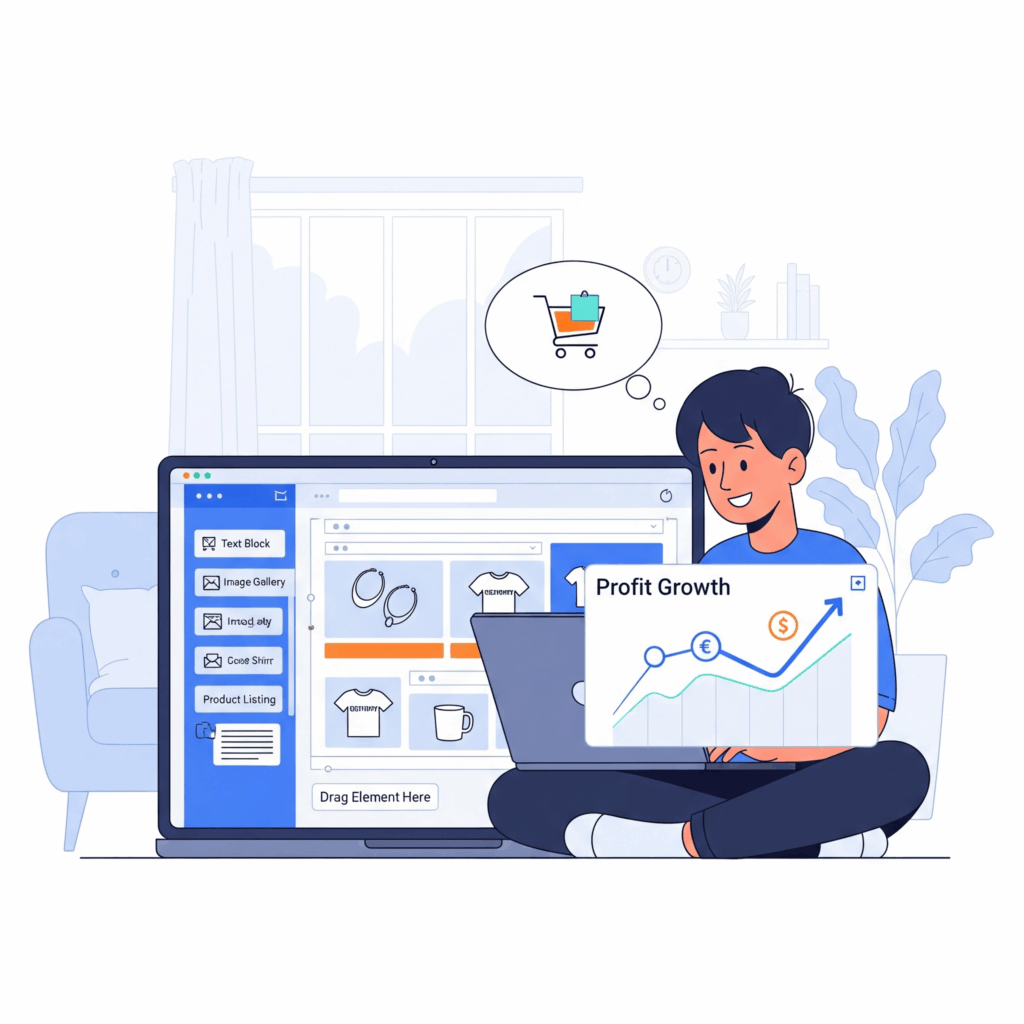
In the past, launching an online store often meant hiring developers, learning coding languages, and managing complex infrastructure. Today, things are very different. Thanks to user-friendly e-commerce platforms, drag-and-drop website builders, and integrated payment systems, you can start and grow a profitable online store without writing a single line of code. All it takes is a solid plan, the right tools, and consistent execution. This guide will walk you through the step-by-step process of creating a successful e-commerce business — even if you have no technical background. 1. Start with a Clear Business Idea Every successful online store begins with a great idea. You need to decide what products you want to sell and to whom. Start by identifying a niche. This could be based on your passion, a market gap you’ve noticed, or a growing trend. Selling to a targeted audience will make your marketing more effective and help you stand out in a crowded market. For example, instead of selling “clothing” broadly, focus on “sustainable activewear for women” or “eco-friendly baby products.” The more specific you are, the easier it will be to attract loyal customers. 2. Choose the Right E-Commerce Platform One of the best parts of building an online store today is that you don’t need to learn how to code. Platforms like Shopify, Wix, Squarespace, and WooCommerce allow you to create a professional store using simple drag-and-drop editors. When choosing your platform, look for: Shopify, for example, offers pre-designed themes, secure checkout, and powerful add-ons, making it ideal for beginners who want to get started quickly. 3. Design Your Store for Conversions Your store’s design plays a big role in whether visitors decide to buy from you. Thankfully, you can create a beautiful and functional design without hiring a designer. Here’s how: Think of your online store as a virtual showroom. Every detail should help your visitors trust you and encourage them to click “Add to Cart.” 4. Set Up Payments and Shipping Most e-commerce platforms come with built-in payment processing, so you don’t need to set up a separate merchant account. Just connect your preferred payment methods — credit/debit cards, PayPal, or even digital wallets like Apple Pay and Google Pay. For shipping, decide whether you’ll handle it yourself, work with a fulfillment center, or use dropshipping suppliers. Offering clear shipping timelines and transparent costs at checkout helps build trust and reduce cart abandonment. 5. Add Essential Store Pages Beyond your product listings, your store should have key pages that boost credibility and guide customers: These pages can be created using built-in templates, so you don’t have to worry about formatting or design. 6. Promote Your Store Without Paid Ads You don’t need a huge advertising budget to drive traffic. Here are beginner-friendly ways to market your store: These organic strategies can help you attract buyers without heavy upfront costs. 7. Build Trust Through Reviews and Social Proof People are more likely to buy from stores with positive reviews and testimonials. Make it easy for customers to leave reviews after their purchase, and display them prominently on product pages. You can also add user-generated content like customer photos or videos showing your products in real life. This adds authenticity and helps new visitors feel confident in their purchase decisions. 8. Keep Improving Through Analytics Even without technical skills, you can track your store’s performance using built-in analytics. Most e-commerce platforms show you: Use this data to make small improvements, like optimizing product descriptions, changing images, or adjusting prices. Over time, these tweaks can significantly increase your revenue. 9. Scale Your Store Over Time Once your store starts generating consistent sales, you can reinvest profits to scale up. This might include running paid ads, expanding your product range, or outsourcing tasks like customer service. The beauty of today’s no-code e-commerce tools is that they’re designed to grow with you. As your business evolves, you can easily add new features, apps, or integrations without starting from scratch. Final Thoughts Building a profitable online store without technical skills is not only possible — it’s more achievable today than ever before. With the right e-commerce platform, a clear brand identity, and a commitment to customer satisfaction, you can launch a business that competes with established players in the market. The key is to start small, keep learning, and adapt to your audience’s needs. Your first store doesn’t need to be perfect — it just needs to be live. From there, you can refine, improve, and grow into a thriving online business.

Simplisell
Online Store

What Makes a Great E-Commerce Homepage

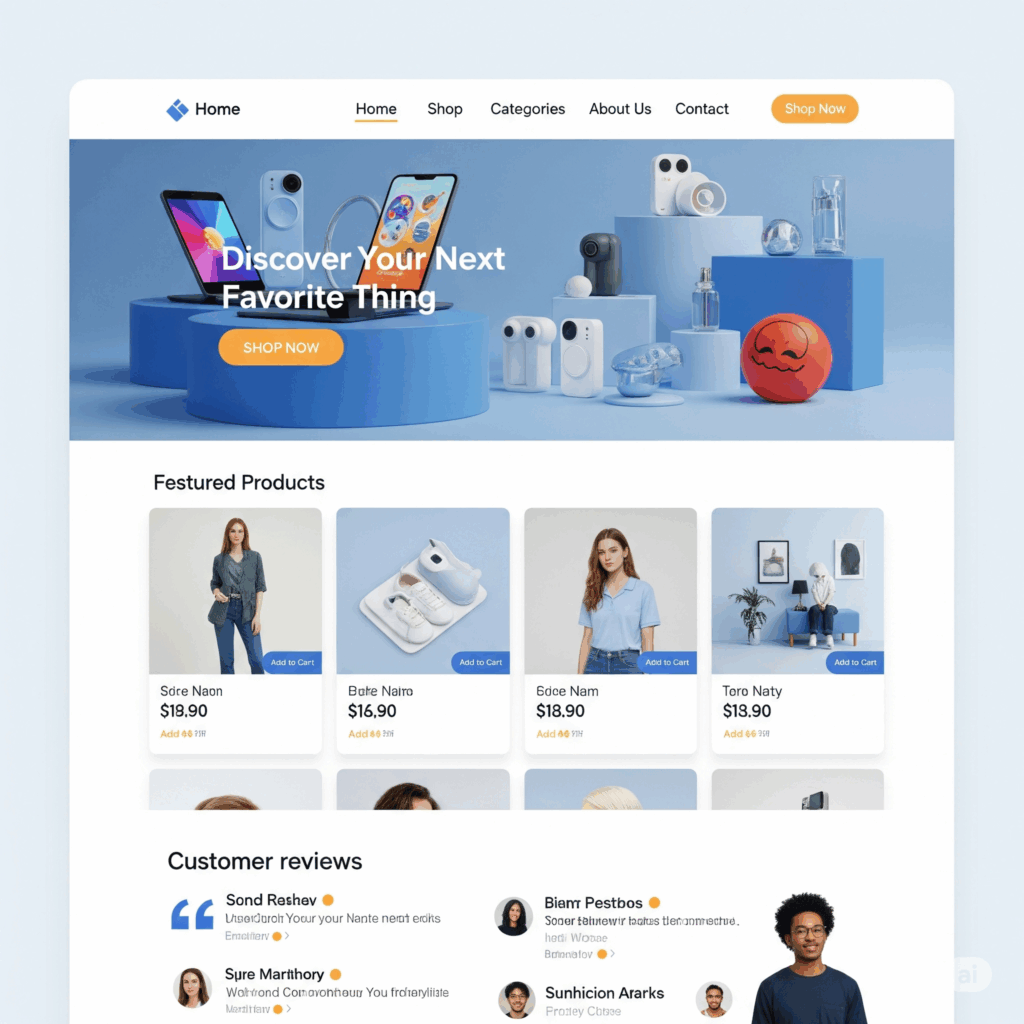
Your e-commerce homepage is the digital storefront of your business. It’s the first impression many potential customers will have of your brand—and as with any first impression, it counts. A great homepage can draw visitors in, guide them to explore more, and ultimately convert them into paying customers. On the other hand, a poorly designed homepage can drive traffic away within seconds. In this blog, we’ll explore the key elements that make an e-commerce homepage not just good, but great—and how you can optimize yours for conversions, engagement, and brand trust. 1. Clear Value Proposition When visitors land on your homepage, they should instantly understand what your store is about and why they should shop with you. Your value proposition — the “why” behind your brand — should be front and center. This could be communicated through: For example, if you sell sustainable fashion, your homepage should immediately communicate this — “Eco-Friendly Fashion for the Conscious Consumer” is more effective than simply saying “Shop Now.” 2. Clean and Intuitive Design Clutter is the enemy of conversion. A great homepage should have a clean, minimalistic layout that makes it easy for users to navigate. Use white space strategically to create breathing room and highlight key sections. Important elements such as navigation menus, search bars, and shopping carts should be easily accessible and functional across all devices, especially mobile. An intuitive design ensures that users can quickly find what they’re looking for without feeling overwhelmed. 3. High-Quality Visuals E-commerce is visual by nature. Without the ability to touch or try products, customers rely heavily on imagery. Your homepage should feature professional, high-resolution images that accurately reflect your brand and products. Hero images, lifestyle shots, or product highlights on the homepage must look consistent and compelling. Avoid stock photos that feel generic—authentic visuals build trust and help tell your brand story. 4. Strategic Call-to-Actions (CTAs) Every great homepage guides users towards an action—whether it’s browsing collections, signing up for a newsletter, or starting a purchase. CTAs should be: Don’t overwhelm your visitors with too many CTAs. Focus on one or two key actions you want them to take and guide them down that path. 5. Easy Navigation and Product Discovery Visitors should be able to browse your site effortlessly. Include a well-organized menu bar that categorizes your products in a logical structure. Incorporating a dropdown menu or mega menu (for larger stores) can help users explore deeper without confusion. Add features like: Making product discovery easy directly influences how quickly and often users convert. 6. Trust-Building Elements First-time visitors need reassurance before making a purchase. Your homepage should include trust signals that build credibility. These can include: If you have user-generated content (UGC) like Instagram posts from customers, feature them. Real-life visuals and positive experiences create a sense of authenticity that modern shoppers crave. 7. Responsive and Fast-Loading Speed and mobile responsiveness are non-negotiable. A slow-loading homepage increases bounce rates and can cost you sales. Ensure that your homepage is optimized for fast loading times and performs well across all screen sizes. Mobile commerce now accounts for more than half of online sales globally, so a great homepage must be mobile-first in both design and functionality. 8. Personalization and Dynamic Content Modern e-commerce homepages often go beyond static design. Incorporating personalized content — such as browsing history-based recommendations, location-based promotions, or tailored messages — can significantly improve user engagement. Dynamic elements like countdown timers for flash sales, pop-ups for first-time visitor offers, or limited-time discounts can also add excitement and urgency to the shopping experience. 9. Search Engine Optimization (SEO) Basics A homepage that performs well in search results helps attract organic traffic. Even though most SEO work happens on product and category pages, your homepage should include: A search-optimized homepage ensures visibility and discoverability in a competitive e-commerce landscape. 10. Consistent Branding Lastly, your homepage should reflect the heart of your brand. From fonts and color schemes to tone of voice and imagery, brand consistency helps you stand out and builds trust. Visitors should instantly feel your brand’s vibe — whether it’s luxury, eco-conscious, playful, or minimalistic. Make sure your logo, tagline, and design elements reinforce a cohesive brand identity across the homepage and entire website. Final Thoughts Your e-commerce homepage is more than just a digital front door — it’s a sales assistant, a brand ambassador, and often the deciding factor in whether a visitor becomes a customer. By combining aesthetics with functionality, trust-building elements, and strategic design, you can create a homepage that drives conversions and strengthens your brand presence. Whether you’re launching a new store or revamping an existing one, take time to evaluate your homepage from a user’s perspective. What do they see? How do they feel? What action are they encouraged to take? The answers to these questions will guide you in creating a truly great e-commerce homepage.

Simplisell
Online Store

The Role of Visual Content in Increasing Online Sales

In the world of e-commerce, where shoppers can’t physically touch or try a product, visual content plays a pivotal role in shaping purchasing decisions. High-quality images, engaging videos, 360-degree views, and user-generated content help bridge the gap between in-store and online experiences. Today, visuals are not just supporting content — they are essential sales tools. This blog explores how and why visual content significantly impacts online sales and how brands can effectively use it.  1. First Impressions Matter: Visuals Grab Attention  Online shoppers are bombarded with content across platforms — from social media feeds to e-commerce websites. In this crowded digital space, visuals are what grab attention instantly. A well-lit product image or a dynamic video thumbnail can entice a potential buyer to click and explore more. Research shows that people process visuals 60,000 times faster than text, meaning your product visuals often make the first — and most important — impression.  Additionally, e-commerce stores that use professional and consistent visual branding build credibility. Clear product photography, attractive design elements, and intuitive layout make users feel more confident about shopping, reducing bounce rates and increasing time on site.  2. Boosts Conversions with Better Product Understanding  Visual content helps customers understand what they’re buying. Unlike physical stores, e-commerce platforms rely on imagery and descriptions to communicate product features. A set of high-resolution images showing the product from various angles, in use, and alongside size references removes ambiguity. When customers can visualize the product in their life, they’re more likely to convert.  Videos go a step further by showing product functionality and usage. Whether it’s a clothing try-on, an unboxing experience, or a tutorial, videos convey authenticity and details that photos alone can’t. According to studies, product videos can increase conversion rates by up to 80%.  3. Increases Trust Through Transparency  Visual content builds trust — and trust drives sales. By offering real, unedited photos or user-generated content (UGC), brands show transparency and authenticity. Shoppers trust photos posted by real users more than branded advertisements. Including UGC like Instagram images, customer selfies, or video reviews on product pages builds social proof and boosts confidence in the buying decision.  Brands that provide 360-degree views or AR (augmented reality) try-ons go even further in reducing hesitation and cart abandonment. When customers feel informed and assured, they’re more likely to complete the purchase.  4. Improves SEO and Search Discoverability  Search engines like Google and Pinterest place a high value on visual content. Optimized images with appropriate alt text and file names can help boost your website’s search engine ranking. Additionally, platforms like Google Shopping rely heavily on visuals to match user queries with products. Quality visuals ensure better visibility in image searches, which can be a source of consistent organic traffic.  Furthermore, visual platforms like Pinterest, Instagram, and TikTok are becoming essential discovery channels. Visually appealing products are more likely to be saved, shared, and shopped from directly.  5. Enhances Mobile Shopping Experience  With over 70% of e-commerce traffic coming from mobile devices, mobile-first visuals are crucial. Shoppers browsing on phones rely heavily on product images and videos due to smaller screen sizes and the need for quick decision-making. Visuals that are optimized for mobile — responsive, fast-loading, and easy to zoom — make the shopping experience smooth and satisfying.  An intuitive and visual shopping journey on mobile can lead to higher engagement and fewer abandoned carts, especially when combined with mobile-friendly features like swipeable image galleries or video autoplay.  6. Encourages Social Sharing and Brand Virality  Visual content fuels word-of-mouth marketing in the digital age. Aesthetic product photos, quirky memes, behind-the-scenes videos, or influencer collaborations — all of these are highly shareable content formats. When users share your visual content on their platforms, your brand reaches new audiences organically.  Campaigns built around hashtag challenges, customer selfies, or unboxing videos encourage interaction and build a visual community around your products. The more visually appealing your brand is, the more likely it is to be shared and remembered.  7. Best Practices for Using Visual Content in E-Commerce  To get the most out of your visual strategy, here are a few tips:  Conclusion: Invest in Visuals, Reap Higher Sales  Visual content is no longer optional — it’s essential. As consumers continue to demand richer, more immersive online shopping experiences, businesses must prioritize visuals in their digital strategy. From product images to UGC and interactive videos, strong visual content can dramatically improve trust, engagement, and ultimately, conversions.  If you want your online store to stand out in a competitive market, make visuals the centerpiece of your e-commerce marketing and user experience. 

Simplisell
Online Store

How to Leverage WhatsApp for E-Commerce Customer Engagement 

In the evolving world of e-commerce, customer engagement is no longer limited to email marketing and social media ads. Today, brands are increasingly tapping into WhatsApp as a direct, personal, and highly effective communication channel. With over 2 billion users globally and high open rates for messages, WhatsApp offers an unparalleled opportunity for e-commerce businesses to connect with customers, provide instant support, and drive sales. This blog explores how e-commerce brands can leverage WhatsApp to boost customer engagement, increase conversions, and build long-term loyalty. Why WhatsApp Is a Game-Changer for E-Commerce WhatsApp’s popularity stems from its instant, personal, and conversational nature. Unlike emails that may go unread or social media posts that may get lost in the feed, WhatsApp messages are read almost instantly—often within minutes. Some reasons why it’s ideal for e-commerce: 1. Provide Real-Time Customer Support One of WhatsApp’s strongest advantages is instant customer service. Customers no longer want to wait hours or days for email replies; they expect immediate answers. You can use WhatsApp to: Brands that respond faster not only solve problems but also build trust. A responsive WhatsApp support channel can be a key differentiator for your e-commerce store. 2. Send Personalized Order Updates Order tracking is one of the most common reasons customers reach out to brands. Instead of directing them to a website tracking page, you can proactively send order updates on WhatsApp. You can notify customers when: This level of transparency keeps customers informed and reassured, reducing post-purchase anxiety. 3. Share Exclusive Promotions and Offers WhatsApp is a great platform for exclusive deals because of its direct reach. You can send special discounts, flash sale alerts, or coupon codes to your WhatsApp subscriber list. To avoid spamming customers: 4. Build Product Awareness Through Rich Content Unlike SMS, WhatsApp supports rich media, making it ideal for product storytelling. You can send: For example, a fashion store can share “lookbooks” via WhatsApp to inspire customers with outfit ideas, while a beauty brand can send short makeup tutorials. 5. Automate Engagement with WhatsApp Business API The WhatsApp Business API allows e-commerce stores to automate customer interactions while keeping them personal. You can: Automation is especially useful for handling high volumes of customer queries without compromising on response time. 6. Gather Feedback and Reviews WhatsApp can also be used to collect customer feedback after a purchase. A short, friendly message asking for a review feels more personal than an email request. You can: This not only improves your customer insights but also generates user-generated content for your marketing. 7. Build Loyalty Programs Customer retention is as important as acquisition, and WhatsApp can help you run loyalty programs effectively. You can send: Personalized loyalty messages make customers feel valued and encourage repeat purchases. Best Practices for WhatsApp E-Commerce Engagement To get the most out of WhatsApp without overwhelming your customers, keep these tips in mind: Final Thoughts WhatsApp is no longer just a personal messaging app—it’s a powerful tool for e-commerce customer engagement. From providing instant support to sharing exclusive promotions and gathering feedback, WhatsApp allows brands to connect with customers in a direct, personalized, and impactful way. For small businesses, tools like Simplisell make integrating WhatsApp into your e-commerce store easy, enabling you to send updates, handle customer queries, and even share catalogs seamlessly. By combining WhatsApp’s reach with a smart engagement strategy, you can build stronger customer relationships and boost sales in today’s competitive e-commerce market.

Scroll to Top