

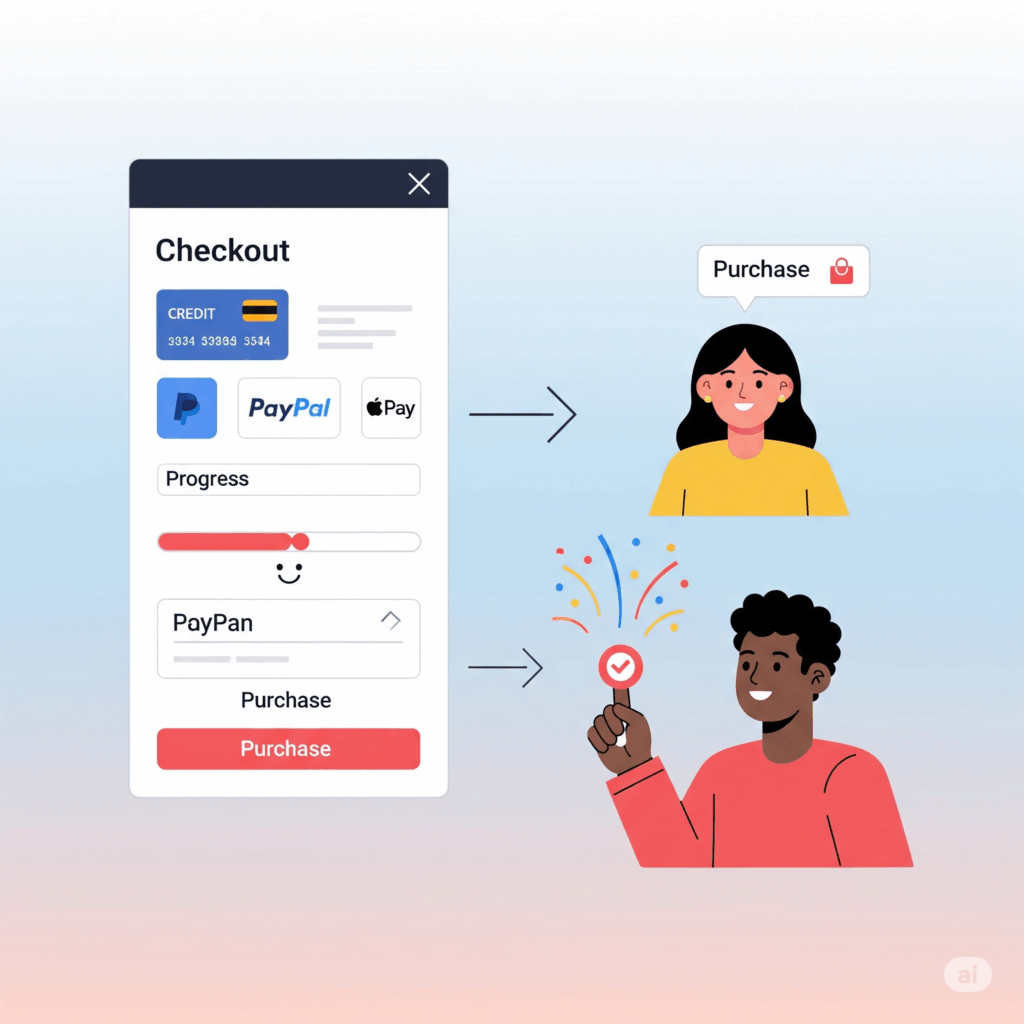
In the fast-paced world of e-commerce, one of the most critical hurdles online retailers face is cart abandonment. According to Baymard Institute, the average cart abandonment rate is nearly 70%, meaning that for every 10 customers who add a product to their cart, only 3 complete the purchase. While many factors contribute to this phenomenon, a poor checkout experience often lies at the heart of it. If your checkout process is confusing, time-consuming, or lacks trust signals, even the most interested buyers may walk away. This blog explores actionable strategies to create a smooth and exceptional checkout experience to reduce cart abandonment and boost conversions.
1. Simplify the Checkout Process
The more steps involved in checking out, the higher the chances of users abandoning their carts. A complicated, multi-page checkout often frustrates users, especially mobile shoppers.
To address this, aim for a single-page checkout or reduce the number of form fields required. Ask only for essential information such as name, shipping address, payment method, and email. Autofill capabilities and guest checkout options can also speed up the process and keep the user journey frictionless. Streamlining the experience respects your customer’s time and encourages them to follow through.
2. Offer Guest Checkout
Many e-commerce websites force users to create an account before purchasing, which can be a significant barrier for first-time buyers. Offering a guest checkout option eliminates this friction and increases the chances of completing the purchase.
Later in the confirmation stage, you can provide users with the option to save their details and create an account with one click. This way, you still open the door to customer retention without compromising the initial sale.
3. Display Trust Signals Clearly
Online shoppers are often wary of entering sensitive information like credit card details on unfamiliar websites. Therefore, it’s vital to build trust by using recognizable and secure payment gateways, SSL certificates, and visible security badges like Norton Secured or McAfee Secure.
Also, include customer reviews, testimonials, and clear return policies on the checkout page. These reassurances serve as confidence boosters and can significantly reduce buyer hesitation.
4. Provide Multiple Payment Options
Different customers have different payment preferences. Limiting your payment methods to only one or two options can turn away potential buyers. To appeal to a broader audience, offer a variety of payment choices, such as credit/debit cards, digital wallets (e.g., Google Pay, Apple Pay), Buy Now, Pay Later options (like Klarna or Afterpay), and even UPI or net banking for Indian consumers.
Having multiple options increases the likelihood that a customer will find their preferred method and complete the purchase.
5. Use Progress Indicators
When a checkout process spans multiple steps, customers want to know how far along they are. A visible progress bar or step-by-step indicator helps set expectations and makes the process feel manageable.
It also reduces anxiety by showing users that there’s an end in sight and how many steps are left. This simple design element can reduce abandonment due to uncertainty.
6. Optimize for Mobile Devices
With mobile commerce growing rapidly, your checkout process must be mobile-friendly. A poorly designed mobile checkout, such as small buttons, hard-to-read text, or cumbersome navigation, can lead to frustration and abandonment.
Make sure your checkout page is responsive, loads quickly, and uses touch-friendly UI elements. Mobile users should be able to complete the purchase in just a few taps.
7. Be Transparent About Costs
Unexpected costs are one of the biggest reasons for cart abandonment. Customers may add products to their cart expecting a certain price, only to be surprised by additional shipping, tax, or service fees at the final step.
Always display a full cost breakdown before checkout, including shipping and taxes. Better yet, offer free shipping thresholds or flat-rate shipping to simplify decision-making.
8. Enable Cart Saving and Reminders
Sometimes, users abandon their carts with the intention to return later. By enabling cart saving features and sending cart reminder emails or push notifications, you gently nudge these users back to complete the purchase.
Personalized reminders, perhaps with a limited-time discount, can significantly boost recovery rates and show customers you value their interest.
9. Test and Improve Continuously
Your checkout page is not a one-time setup—it should be continuously optimized based on user behavior. Use analytics tools like Google Analytics or Hotjar to track where users drop off and A/B test different elements like button placements, copy, colors, or page layouts.
By understanding user behavior and testing new strategies, you can evolve your checkout process into a conversion powerhouse.
10. Add Post-Purchase Upsells and Confirmation
Once a customer completes the checkout, don’t let the experience stop there. A seamless post-purchase flow—like offering relevant product recommendations, referral incentives, or discount codes for the next purchase—adds more value and can turn one-time buyers into loyal customers.
Additionally, make sure the order confirmation page is clean, informative, and reassuring, including expected delivery dates and customer support contact details.
Conclusion
An exceptional checkout experience is no longer optional in today’s competitive e-commerce landscape. With so many choices available, shoppers won’t hesitate to leave a site that makes the buying process difficult. By simplifying the checkout journey, building trust, offering flexible payment methods, and ensuring transparency, you can drastically reduce cart abandonment and improve customer satisfaction.
Remember, the final step of the purchase is also your last chance to leave a great impression—make it count.